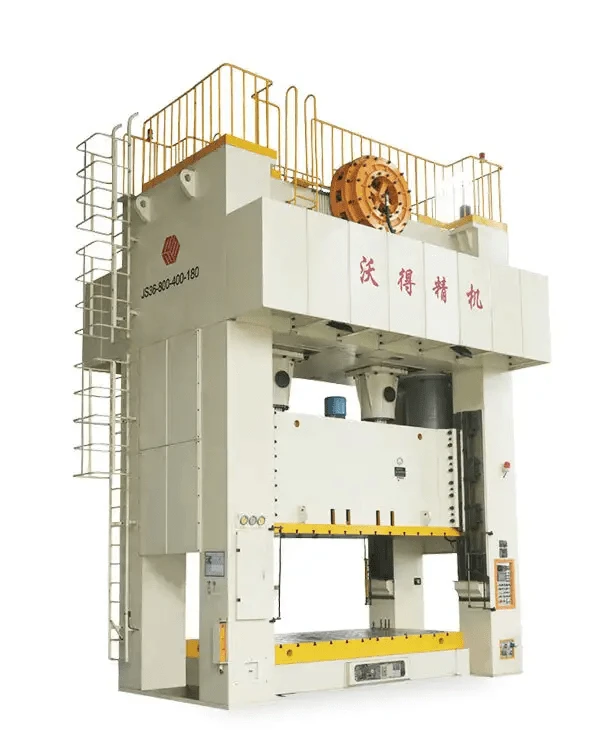

In the heart of countless manufacturing facilities, from automotive giants to small appliance workshops, lies a machine of immense power and fundamental importance: the power press. These formidable devices are the backbone of metal forming, capable of transforming flat sheets of metal into complex, high-strength components with astonishing speed and precision. For those who operate, manage, or procure this equipment, a deep understanding of power press technology is not merely an academic exercise—it is a critical requirement for achieving operational excellence, ensuring workplace safety, and maintaining a competitive edge. This guide delves into the core principles, efficiency drivers, and paramount safety protocols that define the modern use of power press machines.
The Fundamental Principle of Power Press Operation
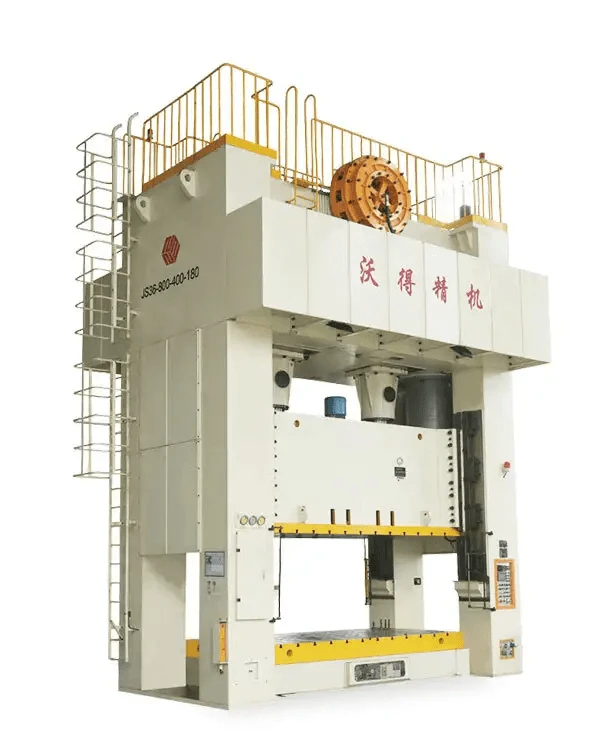
At its most basic, a power press is a machine that applies a substantial force to a material, typically sheet metal, within a designated area to cut, shape, or form it into a desired configuration. The core mechanism involves a ram or slide that moves vertically or horizontally within the frame of the press. This ram is driven by a power source and is guided with precision to deliver a controlled, powerful stroke. At the bottom of the ram is the upper half of a die set, while the lower half is fixed to the press's bed. When a metal blank is placed between these die halves, the ram descends, and the immense force—which can range from a few tons to several thousand tons—subjects the metal to stresses beyond its yield strength, permanently deforming it or shearing it to create a part. This simple yet powerful action is the genesis of everything from car doors and electrical enclosures to intricate electronic components.
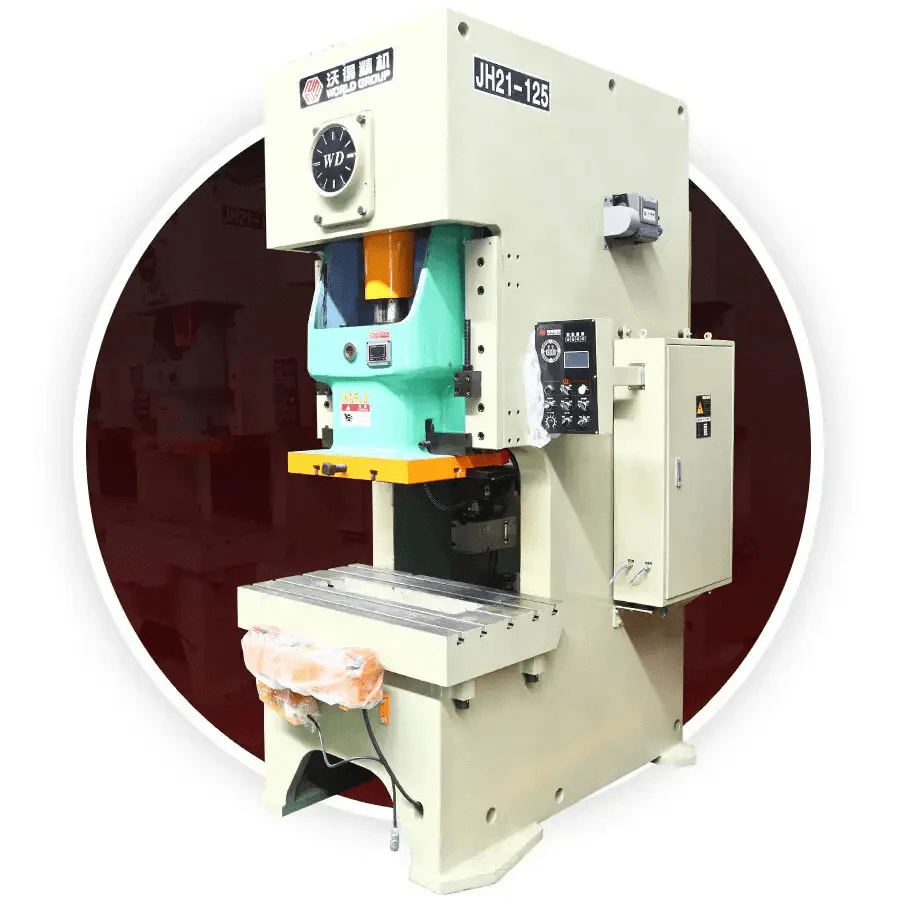
Distinguishing the Main Types of Power Presses
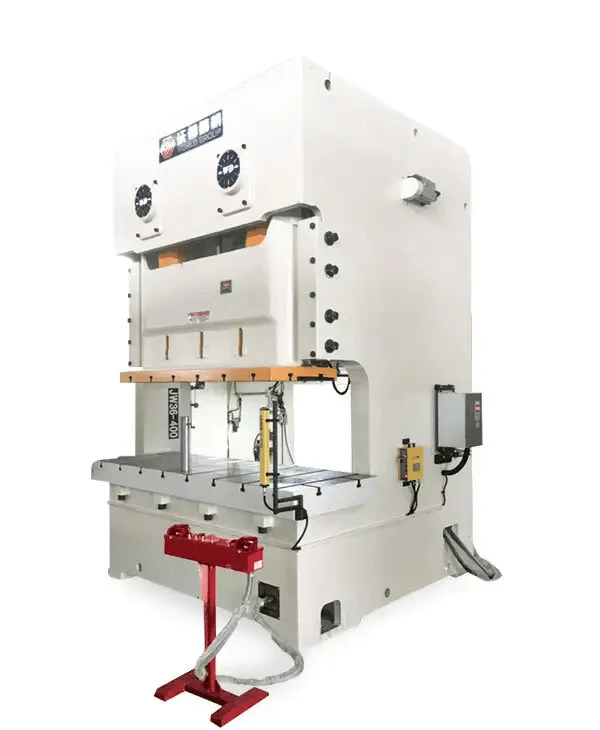
While all power presses share a common goal, they achieve it through different mechanical and hydraulic means, each suited to specific applications. The two primary categories are mechanical presses and hydraulic presses. Mechanical presses use a motor connected to a flywheel, which stores rotational energy. This energy is engaged via a clutch to turn a crankshaft or eccentric gear, which converts the rotary motion into the linear, up-and-down movement of the ram. They are known for high operational speeds and are ideal for high-volume production runs. Hydraulic presses, on the other hand, utilize hydraulic cylinders powered by pumps to move the ram. They can deliver full pressing force at any point in the stroke, offer greater control over stroke length and speed, and are capable of generating immense tonnage, making them perfect for deep draws and forming thicker materials.
The Critical Role of Dies and Tooling
The power press itself provides the force, but it is the die set—the custom tooling—that defines the final shape of the product. A die is essentially a specialized, precision mold for metal. It consists of a punch, which is the male component attached to the ram, and a die, the female component mounted on the bed. The complexity of dies can vary dramatically. A simple blanking die might only cut a flat shape from a coil of metal, while a progressive die can perform a series of operations—piercing, bending, coining—at successive stations, transforming a metal strip into a finished part with each press stroke. The design, manufacture, and maintenance of these dies are as crucial to the manufacturing process as the press itself, directly impacting part quality, production speed, and overall efficiency.
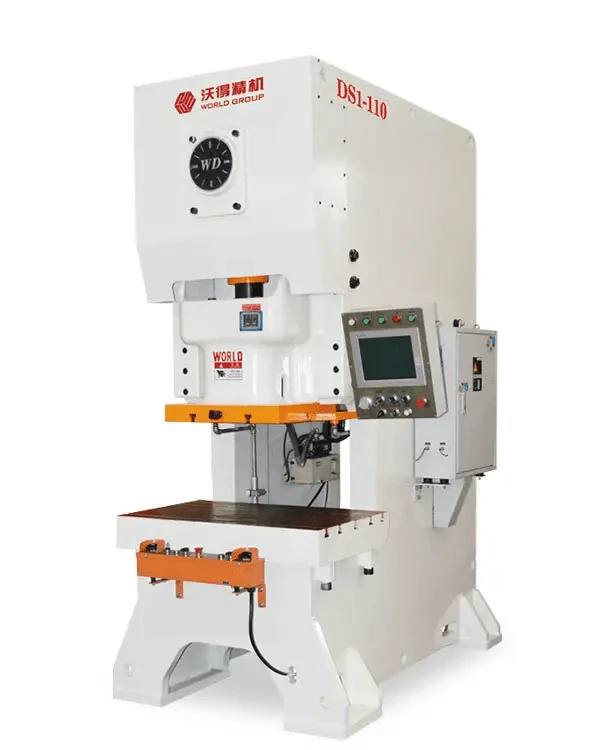
Unlocking Efficiency Through Press Selection and Setup
Achieving peak efficiency in power press operations begins long before the first part is stamped. It starts with selecting the right press for the job. Key considerations include the required tonnage, the size of the bed (which dictates the maximum die size), the length of the stroke, and the speed in strokes per minute. Using an undersized press for a demanding job leads to premature wear and potential failure, while an oversized press wastes energy and floor space. Furthermore, efficiency is gained through meticulous setup and changeover procedures. Implementing Single-Minute Exchange of Die (SMED) principles can dramatically reduce the downtime associated with switching from producing one part to another, thereby increasing overall equipment effectiveness (OEE) and allowing for more flexible, just-in-time manufacturing.
The Paramount Importance of Power Press Safety
The raw power that makes power presses so productive also makes them one of the most significant hazards in a manufacturing environment. A moment of inattention or a failure of a safety device can lead to catastrophic injuries, including amputation and crushing. Therefore, a culture of safety must be the absolute foundation of any power press operation. Safety is not an add-on or an afterthought; it is an integral part of the machine's lifecycle, from initial design and risk assessment to daily operation and preventative maintenance. Understanding and mitigating the hazards associated with the point of operation, the power transmission system, and ejected parts is a non-negotiable responsibility for employers and operators alike.
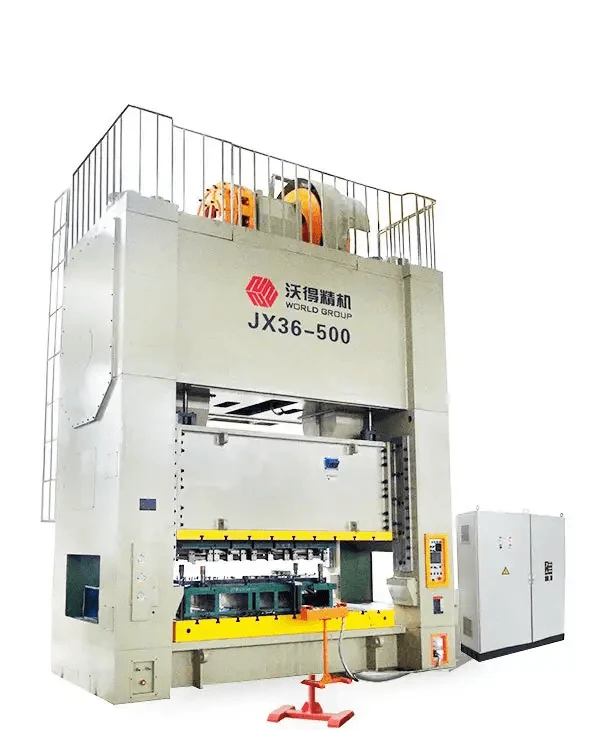
Exploring Common Power Press Safeguarding Devices
To protect operators from the inherent dangers of the point of operation, a variety of safeguarding devices are employed. These are physical barriers or systems designed to prevent access to the hazardous area during the machine's cycle. Fixed guards are permanent barriers that enclose dangerous parts of the press and are often used to shield the flywheel and gears. Interlocked guards are connected to the press's control system; if the guard is opened, the machine cannot cycle, and if the machine is cycling, the guard remains locked shut. Presence-sensing devices, such as light curtains or laser scanners, create an invisible field around the hazard; if this field is broken, the press will not activate or will immediately stop. Two-hand controls require the operator to use both hands simultaneously to initiate a cycle, ensuring hands are away from the point of operation.
The Essential Function of Brakes and Clutch Systems
The control of the ram's movement is just as critical as the force it generates. This is managed by the clutch and brake systems. The clutch engages the flywheel's energy to drive the ram, while the brake is responsible for stopping the ram quickly and reliably. Modern presses often feature a "full-revolution" or "part-revolution" clutch. Part-revolution clutches are generally preferred for safety as they allow the ram to be stopped at any point during the stroke if the operator triggers a stop command. The brake system must be robust, self-monitoring, and regularly tested to ensure it can halt the ram's motion effectively, especially in an emergency stop situation. The integrity of these systems is a primary defense against unintended strokes.
Building a Foundation with Operator Training and Certification
Even the most advanced safety features are ineffective without a well-trained and vigilant operator. Comprehensive training is a legal and ethical requirement. Operators must be thoroughly educated on the specific press they are using, including its controls, capabilities, and, most importantly, its hazards. They must understand the function of all safeguarding devices and the severe consequences of bypassing them. Training should also cover proper inspection procedures, safe die-setting practices, and the correct response to malfunctions. Many jurisdictions require formal certification for power press operators to ensure they possess the necessary knowledge and skills to work safely with this powerful equipment.
Adhering to Standards and Regulatory Compliance
The manufacture, installation, and use of power presses are governed by a strict framework of standards and regulations designed to ensure a baseline of safety. Organizations like the Occupational Safety and Health Administration (OSHA) in the United States and similar bodies globally set forth specific rules for guarding, inspection, and operation. Furthermore, consensus standards from organizations like the American National Standards Institute (ANSI), such as the ANSI B11.1 series, provide detailed safety requirements for the construction, care, and use of mechanical power presses. Compliance with these standards is not just about avoiding legal penalties; it is a proven blueprint for protecting human life and limb.
Implementing a Rigorous Inspection and Maintenance Schedule
A power press is a high-stress piece of equipment, and its components are subject to wear and fatigue over time. A proactive and rigorous maintenance schedule is essential for both safety and efficiency. This includes daily inspections by the operator to check for obvious signs of wear, loose components, or issues with guards and controls. Periodic inspections by qualified maintenance personnel are also mandatory, involving in-depth checks of the clutch, brake, flywheel, bolts, and electrical systems. Keeping detailed maintenance logs helps track the machine's health, predict potential failures, and ensure that every safety-critical component is functioning as designed. Preventative maintenance is always less costly than catastrophic failure, both in terms of machinery and human safety.
The Impact of Automation on Modern Stamping
The landscape of power press operation is being reshaped by automation, which offers significant benefits in both efficiency and safety. Robotic systems or automated feeds can be integrated to load blanks and unload finished parts. This not only increases the speed and consistency of production but also removes the human operator from the immediate danger zone of the press. Automated systems can run for extended periods, handling heavy or sharp parts with ease, and can operate within a fully guarded enclosure. While the initial investment can be substantial, the long-term gains in productivity, part quality, and, most importantly, risk reduction, make automation a compelling direction for the future of metal stamping.

Troubleshooting Common Power Press Problems
Even with excellent maintenance, power presses can develop issues that affect performance and safety. Operators and maintenance teams must be adept at diagnosing common problems. Issues like inconsistent part quality can point to misalignment, worn dies, or incorrect tonnage settings. Unusual noises, such as knocking or grinding, may indicate problems with the bearings, gears, or clutch. Failure of the ram to stroke properly or the brake to hold could signal serious mechanical or electrical faults. A systematic approach to troubleshooting—starting with the simplest explanations first and following a logical diagnostic path—is key to minimizing downtime and resolving issues safely.
Embracing the Future of Press Technology
The evolution of power press technology continues, driven by the demands for smarter, safer, and more connected manufacturing. Modern presses are increasingly featuring Programmable Logic Controller (PLC) systems that offer greater control, diagnostics, and data collection capabilities. The integration of the Industrial Internet of Things (IIoT) allows for real-time monitoring of press performance, predicting maintenance needs before a breakdown occurs, and optimizing production cycles for maximum efficiency. These "smart presses" can provide a wealth of data, turning the powerful act of stamping metal into a finely tuned, data-driven process that is safer and more productive than ever before.
Fostering a Sustainable and Responsible Stamping Operation
Finally, a modern understanding of power press technology extends beyond the factory floor to encompass environmental and economic sustainability. Efficient presses consume less energy, directly reducing the carbon footprint of manufacturing. Proper management of scrap metal, often a byproduct of stamping operations, through recycling programs contributes to a circular economy. Furthermore, investing in reliable, well-maintained equipment from reputable manufacturers like WORLD Press Machine reduces waste from poor-quality parts and ensures the long-term viability of the manufacturing operation. By marrying powerful technology with a commitment to safety, efficiency, and responsibility, businesses can forge a path to lasting success.




























Sign in to leave a comment.