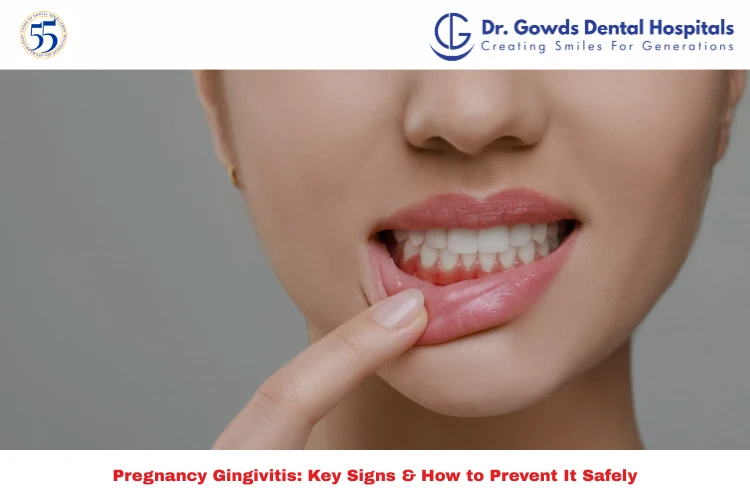
Pregnancy is an exciting and transformative time for every woman, filled with anticipation and new experiences. Amid all the preparations, however, it’s easy to overlook oral health. One common yet often ignored dental issue during pregnancy is pregnancy gingivitis — an inflammatory gum condition that affects many expecting mothers.
In this guide, we’ll dive into what pregnancy gingivitis is, why it happens, its symptoms, prevention strategies, and how to safely manage it — with insights from Dr. Gowd’s Dental Hospitals, a leading dental care provider in India.
What Is Pregnancy Gingivitis?
Pregnancy gingivitis is a form of gum disease caused by hormonal changes during pregnancy, especially the increase in progesterone. These hormonal shifts can increase blood flow to gum tissues and alter your body’s response to plaque and bacteria, making the gums more sensitive and prone to inflammation.
According to experts at Dr. Gowd’s Dental, nearly 60% to 70% of pregnant women experience some degree of gum inflammation, especially during the second trimester.
Common Signs and Symptoms
Watch out for these key symptoms:
- Red, swollen, or tender gums
- Bleeding while brushing or flossing
- Persistent bad breath
- Gum sensitivity
- Gums pulling away from teeth
Although these symptoms may seem minor at first, they should not be ignored. Left untreated, pregnancy gingivitis can lead to periodontitis, a more serious gum infection that may affect the health of both the mother and baby.
What Causes It?
Here’s why gingivitis becomes a concern during pregnancy:
- Hormonal fluctuations: Progesterone and estrogen promote increased blood flow, making gums more reactive to plaque.
- Changes in oral hygiene habits: Morning sickness, fatigue, and cravings can make women less likely to maintain regular brushing and flossing.
- Dietary changes: Sugar cravings or acidic foods can promote bacterial growth in the mouth.
📍 Visit their full pregnancy gingivitis guide here:
👉 https://drgowdsdental.com/pregnancy-gingivitis-guide/
📝 Final Thoughts
Pregnancy gingivitis is common, but it doesn’t have to interfere with your journey toward motherhood. With regular care, timely treatment, and guidance from professionals like those at Dr. Gowd’s Dental, you can maintain strong, healthy gums for you and your baby.
Take charge of your oral health — start today!
























Sign in to leave a comment.