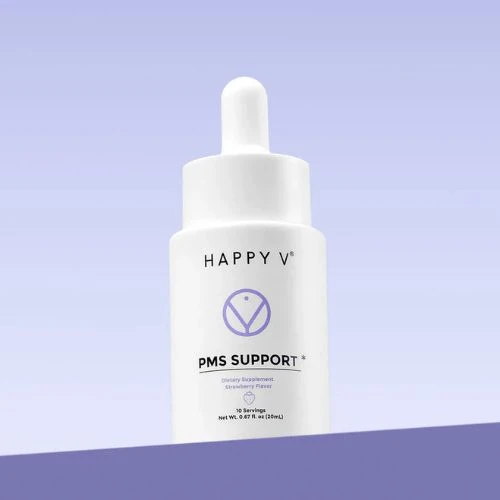

Discover effective ways to support your body during PMS. Learn how premenstrual support can alleviate common symptoms and enhance your well-being.
Premenstrual Syndrome (PMS) affects many individuals with varying degrees of severity. From mood swings to cramps and fatigue, the symptoms can significantly impact daily life. Fortunately, understanding how to provide the right premenstrual support can make a huge difference. This guide will explore the best practices for managing PMS, the role of nutrition and supplements, and lifestyle changes that can help ease discomfort.
What is Premenstrual Syndrome?
Premenstrual Syndrome refers to the group of physical and emotional symptoms that occur in the two weeks before menstruation. These symptoms can range from mild to severe and include:
- Physical symptoms: bloating, cramps, breast tenderness, headaches.
- Emotional symptoms: irritability, mood swings, anxiety, and depression.
- Behavioral symptoms: changes in appetite, fatigue, and trouble sleeping.
Effective premenstrual support focuses on alleviating these symptoms, improving your overall well-being before your period starts.
1. Lifestyle Adjustments for Better Premenstrual Support
Managing stress, maintaining a healthy diet, and getting regular exercise can significantly reduce the severity of PMS symptoms. Below are some lifestyle changes that help provide excellent premenstrual support:
- Regular Exercise: Physical activity releases endorphins, which help improve mood and reduce bloating.
- Stress Management: Techniques like yoga, meditation, and deep breathing exercises can lower stress levels, which can worsen PMS symptoms.
- Adequate Sleep: Ensuring 7-9 hours of quality sleep each night can boost energy levels and help reduce fatigue associated with PMS.
By incorporating these lifestyle changes, you can significantly improve your premenstrual support routine, making it easier to manage PMS symptoms.
2. Nutritional Support for Premenstrual Symptoms
What you eat plays a crucial role in managing PMS symptoms. A well-balanced diet rich in vitamins and minerals can support your body during this time. For example, consuming foods high in magnesium and vitamin B6 can help alleviate cramps and mood swings.
- Magnesium-rich foods: spinach, nuts, seeds, and whole grains.
- Vitamin B6-rich foods: bananas, potatoes, and chicken.
Certain supplements are also known to offer premenstrual support. For instance, magnesium supplements can reduce bloating, while vitamin E may help reduce breast tenderness. Additionally, omega-3 fatty acids from sources like fish and flaxseeds can help reduce inflammation and support overall hormonal balance.
3. Supplements for Premenstrual Support
Some individuals may need extra help in the form of supplements to enhance premenstrual support. Below are some popular options:
- Chasteberry (Vitex): Known for its ability to balance hormones and reduce PMS symptoms like irritability and mood swings.
- Calcium: Studies suggest calcium supplementation may help reduce fatigue and improve mood swings.
- Evening Primrose Oil: Contains essential fatty acids that support hormonal balance and reduce PMS symptoms.
Before adding supplements to your regimen, consult with a healthcare provider to ensure they are right for you.
4. Herbal Remedies for Premenstrual Support
Several herbal remedies have been used for centuries to support women during PMS. Here are a few well-known herbs:
- Ginger: Often used to reduce nausea, bloating, and cramps during PMS.
- Peppermint: Known for its calming effect on the digestive system, it may help with bloating and cramps.
- Fennel: Known for its anti-inflammatory properties, fennel can reduce bloating and discomfort.
These herbs can be consumed as teas or in supplement form for additional premenstrual support.
5. Practical Tips for Managing PMS Symptoms
While lifestyle changes and supplements are important, practical tips can also make a big difference during your menstrual cycle:
- Stay hydrated: Drinking plenty of water can help reduce bloating and support overall body function.
- Apply heat: A heating pad on your abdomen can relieve cramps and muscle tension.
- Limit caffeine and sugar: These can exacerbate irritability and fatigue during PMS.
These small but effective adjustments can provide significant premenstrual support in the lead-up to your period.
Frequently Asked Questions
What is the best way to support my body during PMS?
A balanced diet, regular exercise, and stress management are key. Supplements like magnesium and vitamin B6 can also help reduce symptoms.
Can supplements really help with PMS symptoms?
Yes, certain supplements like chasteberry, magnesium, and omega-3 fatty acids can provide significant premenstrual support and help alleviate common PMS symptoms.
How long before my period should I start taking PMS support supplements?
It's generally recommended to start taking supplements about two weeks before your period begins, as this is when PMS symptoms tend to peak.
How does magnesium help with PMS symptoms?
Magnesium helps regulate muscle function and reduce inflammation, which can alleviate cramps and bloating.
Are there any side effects from using herbal remedies for PMS?
Herbal remedies are generally safe but should be used in moderation. Always consult a healthcare provider before using herbs like ginger or peppermint to ensure they won't interact with other medications.
Can stress management techniques really help reduce PMS symptoms?
Yes, practices like yoga, meditation, and deep breathing exercises can significantly reduce stress, which often exacerbates PMS symptoms.
Conclusion
Incorporating a combination of lifestyle adjustments, nutritional support, supplements, and herbal remedies can provide effective premenstrual support. By managing symptoms like mood swings, cramps, and fatigue, you can experience a more comfortable and manageable premenstrual phase. Remember, every body is different, so it’s important to find what works best for you and consult a healthcare provider if necessary. With the right strategies in place, PMS doesn’t have to control your life.




























Sign in to leave a comment.