
to Healing
Introduction
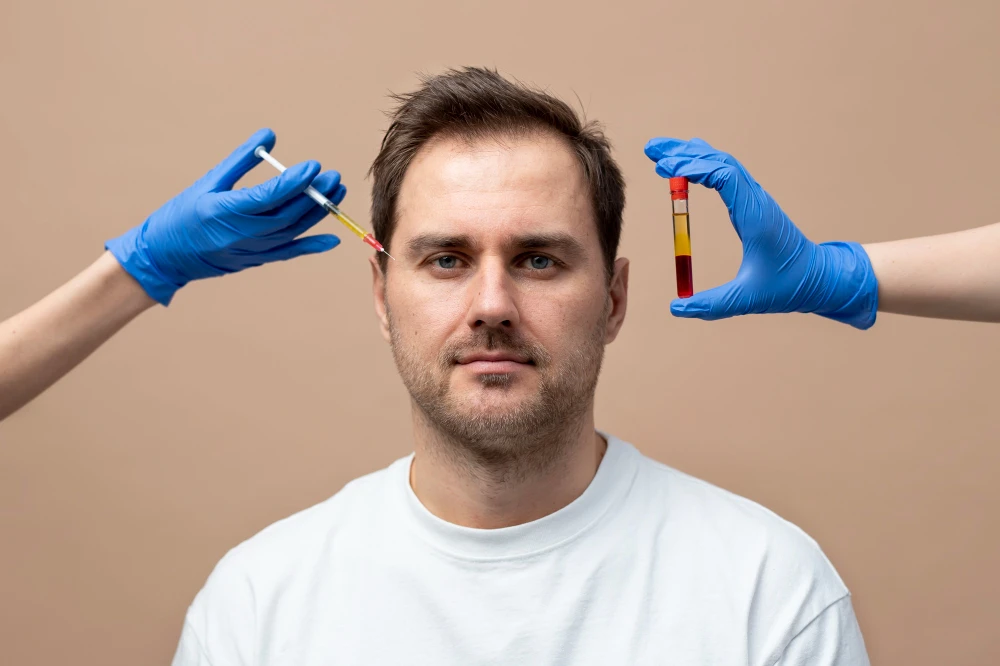
In recent years, more patients are exploring options beyond surgery and long-term medications for pain and injury recovery. One method gaining momentum is PRP treatment, also known as Platelet-Rich Plasma therapy. This innovative technique is rooted in the body’s own healing system and is commonly used to treat joint pain, soft tissue injuries, and even certain skin conditions.
So, what makes PRP such a promising option in modern medicine? Let’s break it down.
What Is PRP Treatment?
Platelet-Rich Plasma (PRP) is a concentrated preparation of platelets derived from a patient’s own blood. These platelets are rich in growth factors—proteins that play a critical role in the healing process.
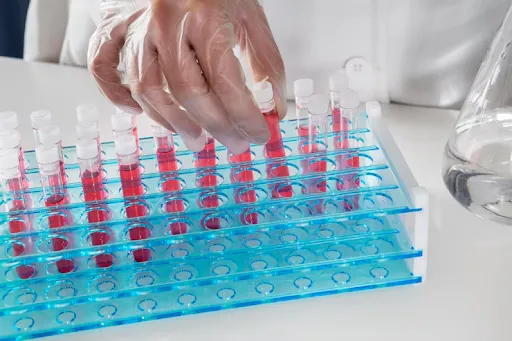
The procedure involves drawing a small amount of blood from the patient, spinning it in a Platelet Rich Plasma system (a specialized centrifuge) to separate the components, and extracting the PRP for therapeutic use.
When injected into injured or painful areas, this concentrated plasma stimulates the body to repair damaged tissues, reduce inflammation, and accelerate recovery.
Where PRP Treatment Is Used
PRP therapy is being applied across several areas of medicine due to its versatility and safety. Common clinical uses include:
🦵 Orthopedics:
- Knee osteoarthritis
- Tendon injuries (e.g., tennis elbow, Achilles tendinitis)
- Muscle strains and ligament sprains
🩺 Pain Management:
- Chronic joint pain
- Lower back pain (disc or facet-related)
Neuromusculoskeletal Applications:
- PRP for spine-related issues like disc degeneration
- Peripheral nerve injuries
- Soft tissue conditions such as plantar fasciitis or carpal tunnel syndrome
Because PRP treatment uses the patient’s own blood, the risk of allergic reactions or complications is minimal, making it a favorable option for many.
How PRP Injections Work
The effectiveness of PRP comes down to how and where it's delivered. The process is usually completed in a clinic setting and includes the following steps:
- Blood Draw: Around 15–60 ml of blood is taken from the patient.
- Processing: The blood is spun in a Platelet Rich Plasma system to concentrate the platelets.
- Injection: The PRP is injected into the injured or painful area using ultrasound guidance for precision.
The growth factors released by platelets support tissue regeneration by encouraging collagen production, cell repair, and reduced inflammation.
Why PRP Treatment is Gaining Popularity
Compared to other treatments, PRP offers several advantages:
✅ Natural healing: It boosts the body’s own repair systems without foreign substances.
✅ Minimally invasive: A quick, outpatient procedure with little downtime.
✅ Reduced reliance on drugs: Helps patients cut back on pain medications.
✅ Safe profile: Because it’s autologous (from your own body), adverse reactions are rare.
These benefits make PRP especially attractive for athletes, aging individuals, and people looking for non-surgical recovery options.
The Role of Platelet Rich Plasma Systems
Behind every successful PRP treatment is a reliable Platelet Rich Plasma system. These specialized centrifuge devices are designed to:
- Deliver consistent platelet concentration
- Preserve cell viability
- Ensure sterility and efficiency
A poor-quality system can compromise the purity and potency of the PRP, impacting outcomes. That’s why many professionals turn to trusted systems like Tropocells PRP kits — known for delivering high-quality PRP with minimal red blood cell contamination.
For clinics offering PRP, investing in a reliable centrifuge and kit is essential to meet patient expectations and maintain consistent clinical results.
What Patients Should Expect
While PRP treatment is generally safe and effective, patient outcomes can vary depending on several factors, such as:
- The severity of the condition
- Overall health status
- The quality of the PRP system used
- Post-procedure care and lifestyle habits
Patients may experience some swelling or discomfort at the injection site for 1–2 days. Most people can return to daily activities shortly after, with improvements noticed within a few weeks. Full tissue repair may take a few months.
In some cases, multiple PRP injections may be needed, spaced a few weeks apart, especially for chronic injuries.
Limitations and Considerations
Though PRP is a powerful tool, it’s not a one-size-fits-all solution. It may not be as effective in advanced degenerative diseases or when used with improper technique. It’s also important to remember:
- PRP is not always covered by insurance
- Patients should seek care from experienced providers
- The quality of equipment matters — especially the centrifuge and kit used
That’s why proper patient selection and preparation are crucial to getting the best results.
Conclusion
PRP treatment is reshaping how we think about healing and recovery. Whether used for orthopedic pain, soft tissue injuries, or even cosmetic applications, it represents a shift toward more natural, patient-centered care. With the right tools, knowledge, and preparation, PRP can offer long-lasting relief and improved tissue function without the need for invasive procedures.
👉 To explore high-quality PRP systems, centrifuges, and regenerative solutions, visit Accretion Portal — your trusted source for reliable Platelet Rich Plasma equipment and support.




























Sign in to leave a comment.