Constructing or renovating a building involves more than just bricks and mortar; it’s about creating structures that are efficient, sustainable, and compliant with regulations. One term you’ve probably encountered if you're involved in the construction industry is SBEM Calculations. But what are SBEM calculations, and why are they so crucial?
This guide breaks down everything you need to know about SBEM calculations, how they relate to compliance, and their application in air pressure tests, SAP calculations, and overheating risk assessments.
What Are SBEM Calculations?
SBEM stands for Simplified Building Energy Model. This calculation is a government-approved methodology for assessing the energy performance of non-residential or commercial buildings in the UK. It’s used to demonstrate compliance with Part L of the Building Regulations, focusing on energy conservation and emissions reduction.
Simply put, SBEM calculations assess how much energy a building will consume in its heating, cooling, lighting, and ventilation systems. It evaluates the building’s energy efficiency and ensures that it meets mandatory standards for sustainability.
Why Are SBEM Calculations Important?
Whether you’re constructing a school, office space, or retail property, SBEM calculations are often a regulatory requirement. They inform key decisions during the design stage and also at completion. By conducting SBEM calculations, developers can:
- Ensure Compliance: SBEM compliance is essential for obtaining BRUKL (Building Regulation UK Part L) certificates.
- Optimize Costs: Identifying energy inefficiencies early can help reduce long-term operational costs.
- Reduce Carbon Footprint: Promote sustainability by adhering to energy performance requirements.
- Avoid Penalties: Failing to comply with SBEM regulations may delay your project or result in fines.
For developers, navigating these regulations may seem daunting. However, professionals like EPS Group specialize in delivering seamless SBEM assessments for projects of all sizes.
Key Areas Where SBEM Calculations Play a Role
SBEM calculations are often complemented by related assessments to ensure total building compliance. Here’s how these interconnect:
Air Pressure Testing
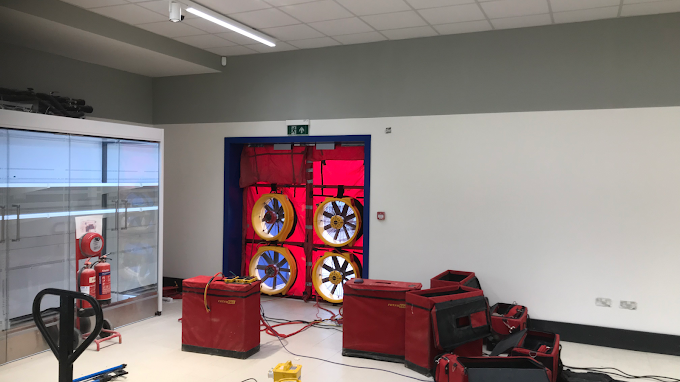
Air Pressure Testing, also known as air tightness testing, evaluates the air leakage within a property. It ensures the building envelope prevents unnecessary heat loss, which directly impacts energy efficiency metrics used in SBEM calculations.
Why It Matters:
- Essential for meeting Part L compliance for new builds.
- Supports better energy performance, which can enhance SBEM assessments.
Pro Tip: Schedule air tests early in your project timeline to avoid delays in compliance.
SAP Calculations
SAP (Standard Assessment Procedure) Calculations measure the energy efficiency of residential properties, while SBEM is tailored for commercial buildings. However, both methodologies share the common goal of promoting energy conservation.
Connection to SBEM:
- While SAP focuses on dwellings, SBEM looks at non-residential properties. Both calculations often run in parallel for mixed-use developments.
Overheating Risk Assessment
Overheating risks are becoming increasingly important as global temperatures soar. Overheating Risk Assessments ensure that buildings offer comfortable indoor environments without excessive reliance on energy-intensive cooling systems.
How it Relates to SBEM:
- Overheating risks affect the energy consumption forecasted in SBEM results. Addressing these risks upfront can improve compliance.
BRUKL Reports
Once SBEM calculations are complete, the data is compiled into a BRUKL report. This report is essential for demonstrating compliance with energy regulations and is required for building control sign-off.
How SBEM Calculations Work
SBEM calculations rely on detailed input data. Here’s what the process involves:
- Initial Data Collection:
- Building dimensions, geometry, and layout
- Construction materials and fabric specifications
- Heating, cooling, ventilation, and lighting details
- Simulation:
- Inputs are processed to simulate the building’s energy consumption.
- Outcome Delivery:
- Results are presented in a BRUKL report, which confirms whether the building passes or fails regulatory compliance.
Common Challenges in SBEM Compliance
Adhering to SBEM requirements can sometimes be challenging, especially for complex builds. Common issues include:
- Incomplete Specifications:
- Early-stage designs may lack detailed data required for SBEM calculations.
Solution: Collaborate with energy consultants during the planning stages for smooth project delivery.
- Air Leakage Failures:
- Failing air pressure tests can hinder SBEM compliance.
Solution: EPS Group offers domestic and commercial air tightness testing to identify and resolve issues swiftly.
- Overheating Risks in Design:
- Architectural choices can contribute to overheating, increasing energy demands.
Solution: Consider dual assessments like overheating risk analysis and SBEM for cohesive design corrections.
Why Choose EPS Group for SBEM Assessments?
Achieving SBEM compliance doesn’t have to be intimidating. With over [xx] projects completed, EPS Group assists construction professionals throughout the SBEM calculation process. Here’s why we stand out:
- Experience and Expertise:
- Our qualified consultants ensure compliance without compromising on design innovation.
- Comprehensive Services:
- From air tests to SAP calculations and overheating risk assessments, we offer end-to-end support.
- Client-Centric Approach:
- Tailored guidance for projects of all sizes, whether you're building a small retail shop or a large commercial complex.
- Fast Turnaround Times:
- Avoid project delays with efficient delivery of reports and assessments.
Get Started With SBEM Calculations
Navigating energy regulations is now a core part of construction planning, but compliance can lead to better performance, reduced operational costs, and more sustainable projects.
If you’re preparing for SBEM assessments or related tests like air pressure tests or SAP calculations, EPS Group can guide you every step of the way. Contact our team today for hassle-free compliance services and tailored solutions that suit your building’s unique needs.










Sign in to leave a comment.