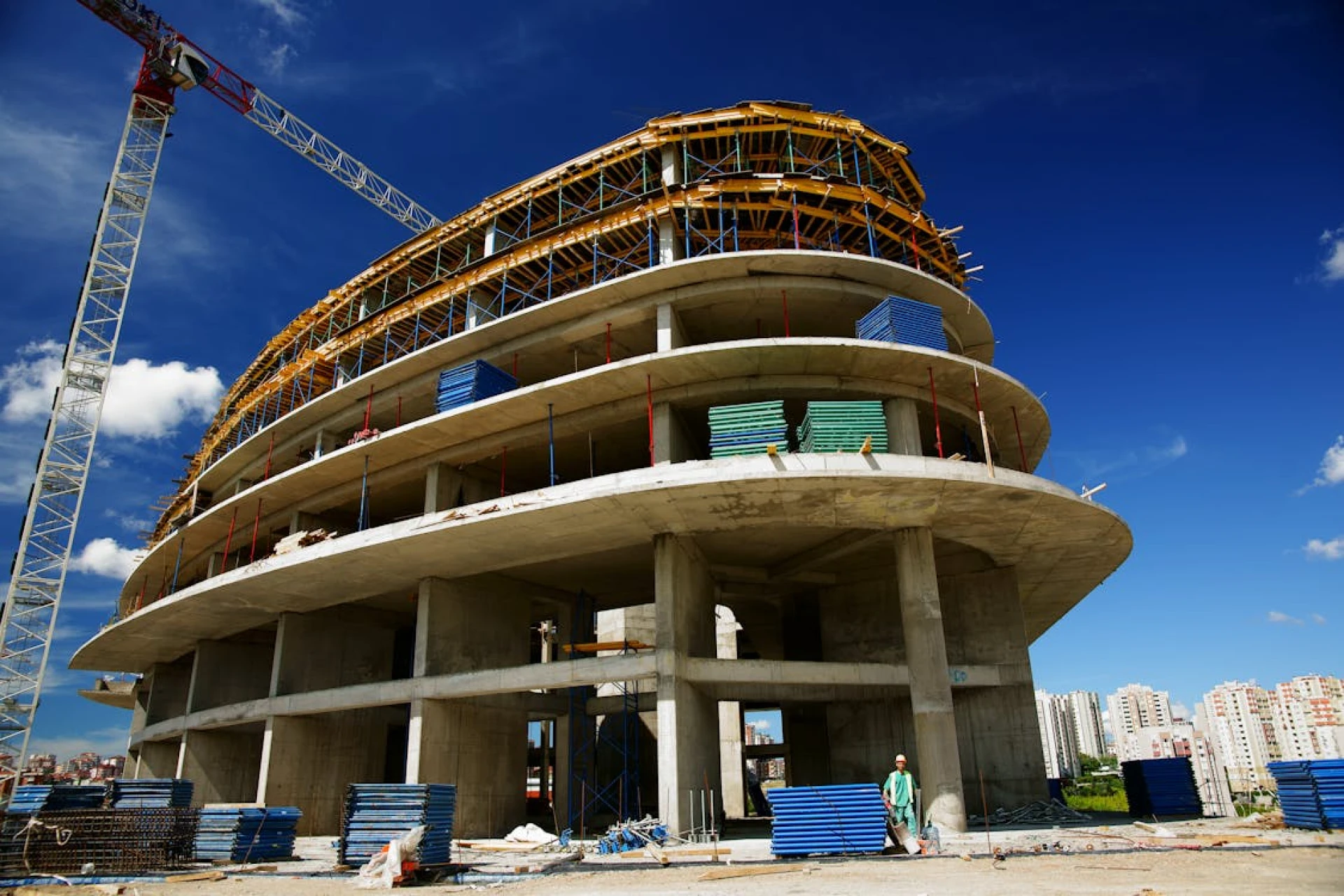

Construction projects in Virginia, whether residential or commercial, rely on precise contracts, clear expectations, and adherence to professional standards. Yet, even with well-drafted agreements, disputes can arise when the finished work falls short of what was promised. Defective workmanship, substandard materials, or unfulfilled design specifications can lead to significant financial and operational consequences for property owners and developers alike. Understanding the available legal options helps clients navigate the complex landscape of construction disputes and potential remedies.
Common Causes of Construction Quality Disputes
Construction disagreements often stem from a breakdown in communication between contractors, subcontractors, and clients. Common issues include:
● Defective or Inferior Workmanship: Structural flaws, poor finishing, or code violations that compromise safety or usability.
● Use of Substandard Materials: Substituting lower-quality materials without consent or in violation of contract terms.
● Deviation from Plans or Specifications: Unauthorized changes to design, layout, or materials that alter the project outcome.
● Delay-Related Deficiencies: Rushed completion to meet deadlines, leading to workmanship defects or incomplete installations.
In Virginia, these disputes are governed by both contract law and construction-specific regulations, making it critical to identify whether the issue arises from breach of contract, negligence, or warranty violations.
Legal Theories for Addressing Substandard Construction
When construction quality falls short, several legal avenues may apply depending on the circumstances:
1. Breach of Contract
Most construction disputes begin as contract issues. Under Virginia Code § 8.01-246, clients may bring an action for breach of a written contract within five years of the alleged breach. Claims typically involve the contractor’s failure to deliver work as specified, failure to meet deadlines, or unauthorized substitutions.
A breach of contract lawyer can help evaluate whether the contractor’s conduct violated specific contractual obligations and what remedies, such as damages or repair costs, may be recoverable.
2. Breach of Warranty
Virginia law recognizes both express and implied warranties in construction projects. Express warranties are those explicitly stated in the contract, while implied warranties, such as the implied warranty of good workmanship, arise from the expectation that work will be performed competently.
If a contractor’s work fails to meet these standards, clients may seek to recover the cost of repairs, replacement, or diminution in property value.
3. Negligence and Professional Malpractice
In cases involving design professionals or licensed contractors, negligence claims may arise when the contractor fails to meet the standard of care expected in the industry. For example, improper load calculations by an engineer or faulty electrical installation by a subcontractor could result in liability under tort law.
Negligence claims often run parallel to contract claims but must satisfy additional elements, such as proving a duty of care, breach, causation, and damages.
4. Fraud or Misrepresentation
When a contractor intentionally conceals defects, falsifies compliance, or misrepresents material facts, Virginia law allows claims for fraud or constructive fraud under § 8.01-243(A). These cases require clear evidence of intentional deceit, often supported by documentation or expert analysis.
Available Remedies for Clients
Virginia courts may grant several forms of relief depending on the nature of the dispute and the evidence presented. Common remedies include:
● Monetary Damages: Compensation for repair costs, loss of value, or additional expenses incurred due to defective work.
● Specific Performance: In some cases, courts may require the contractor to correct deficiencies or complete unfinished work.
● Rescission: Voiding the contract entirely, allowing the client to recover funds paid for substandard work.
● Lien Disputes: In situations where contractors file mechanic’s liens, clients may contest the lien’s validity based on poor workmanship or breach.
The Role of Expert Evaluation
Construction disputes often rely on expert testimony. Structural engineers, architects, and building inspectors can help establish whether the contractor’s work fell below professional standards. These experts also assess the extent of damage and estimate repair costs, which become critical in determining damages during litigation.
In Fairfax County and across Virginia, courts give substantial weight to technical evaluations, particularly when contract terms are ambiguous or the dispute involves competing professional opinions.
Time Limits for Construction Claims in Virginia
Under Virginia’s statutes of limitations, timing is crucial. Claims for breach of written construction contracts must be filed within five years, while oral contract claims carry a three-year limit. For cases involving property damage or professional negligence, the general period is five years from the date of accrual.
The statute of repose in § 8.01-250 further limits actions related to construction or design defects to five years after project completion, regardless of discovery date. This means that even latent defects discovered later may not be actionable if the repose period has expired.
Jabaly Law’s commercial litigation attorneys and breach of contract lawyers provide legal counsel services for businesses facing construction and contract disputes in Virginia. Their team assists property owners, developers, and contractors in evaluating claims involving defective workmanship, missed deadlines, and quality deficiencies. With deep experience in dispute resolution, each business lawyer offers practical insight grounded in Virginia’s construction and commercial law framework, helping clients address complex quality and compliance issues with professionalism and strategic focus.
Contact them now.


































Sign in to leave a comment.