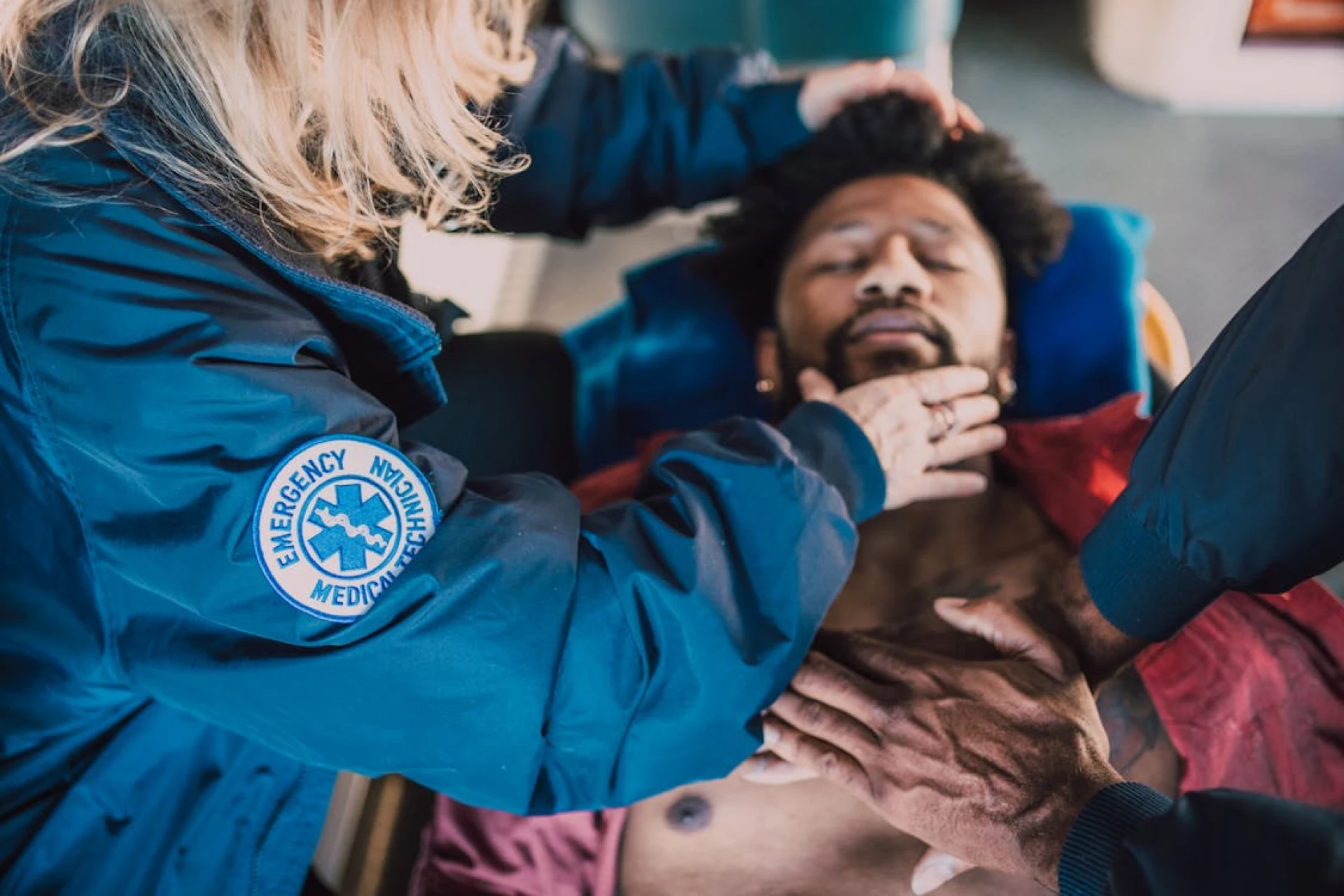

Emergencies don’t wait for ambulances. They can happen in the office hallway, on a construction site, or during a client meeting. In those critical first few minutes, a certified first responder can make the difference between life and loss. That’s why CPR and first aid training isn’t just a recommendation—it’s a workplace necessity.
Every employer wants to protect their team, but few realize how much impact timely CPR & AED training can have. Equipping staff with the ability to perform basic life support (BLS) and provide first aid until professional help arrives can save lives, improve safety culture, and reduce workplace liability.
The Life-Saving Power of Immediate Response
Sudden cardiac arrest (SCA) is one of the leading causes of death in the U.S., claiming more than 350,000 lives annually. According to the American Heart Association (AHA), survival rates can double or even triple when CPR is performed immediately after cardiac arrest. Yet, less than half of cardiac arrest victims receive bystander CPR before EMS arrives.
In the workplace, trained responders can change that statistic. Employees who complete CPR and first aid certification or CPR & AED training learn to:
● Recognize signs of cardiac arrest or choking
● Perform chest compressions effectively
● Use an AED (Automated External Defibrillator) confidently
● Provide immediate wound or burn care
Even simple interventions, such as controlling bleeding or stabilizing an injury, can drastically improve outcomes before paramedics arrive.
Compliance and Risk Reduction
Beyond safety, first aid and CPR training also supports compliance with workplace regulations. The Occupational Safety and Health Administration (OSHA) recommends that employers ensure quick access to first aid-trained personnel if a medical facility isn’t nearby.
By investing in American Heart Association courses, employers can demonstrate proactive safety measures and adherence to industry standards. Many sectors—including construction, healthcare, education, and manufacturing—require CPR certification or BLS training as part of their compliance protocols.
Having employees certified through an AHA CPR course means your organization meets nationally recognized safety standards. It also shows a commitment to employee well-being, which can enhance morale and trust.
A Culture of Preparedness and Care
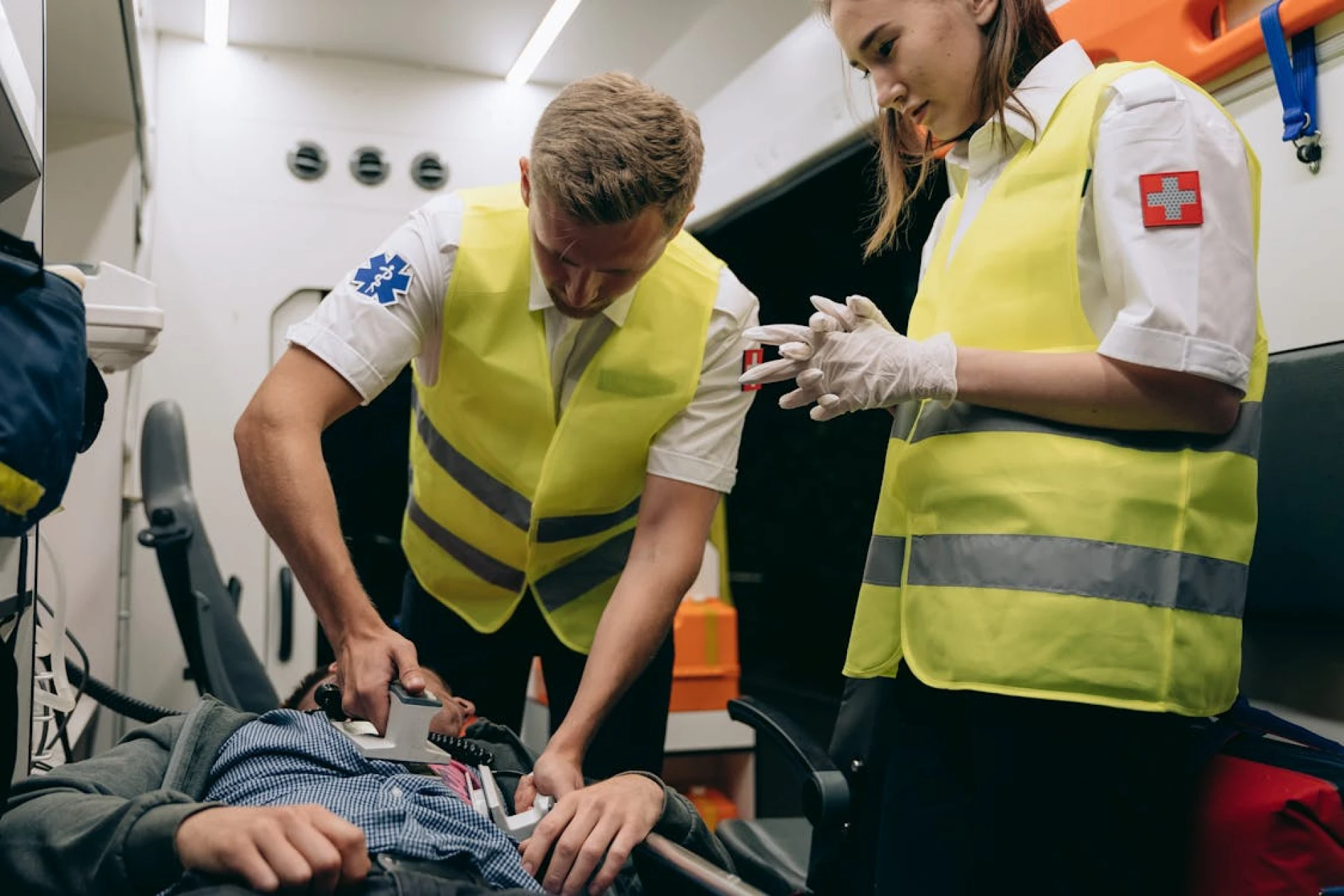
Workplaces that prioritize CPR and first aid certification create a ripple effect of confidence and security. When employees know how to respond to a crisis, they feel empowered. This confidence extends beyond work, benefiting families and communities.
Moreover, creating a network of trained responders fosters teamwork and accountability. It sends a clear message: everyone’s safety matters. Businesses that implement CPR classes or BLS certification programs often report higher employee engagement and a stronger sense of community within their teams.
Whether it’s a small office or a large corporation, even a few trained individuals can drastically improve emergency outcomes.
Why Choose American Heart Association (AHA) Training
Not all certification programs are created equal. The American Heart Association sets the gold standard for CPR and AED training, first aid courses, and BLS certification. Their evidence-based curriculum ensures that participants not only learn the techniques but also understand the science behind them.
AHA courses include realistic simulations, hands-on practice, and scenario-based learning that mirrors real emergencies. Learners gain confidence through repetition and feedback from certified instructors.
Popular AHA programs include:
● Heartsaver First Aid CPR AED Course – Ideal for workplace safety and lay rescuers.
● BLS Certification Course – Designed for healthcare professionals and first responders.
● ACLS and PALS Certification Courses – Advanced training for clinical teams.
Completing these programs through an accredited BLS certification institute ensures your employees receive official AHA eCards recognized nationwide.

Flexible Learning Options for Busy Professionals
Many employers hesitate to implement safety training because of scheduling challenges—but modern programs make it simple. The CPR & BLS Training Institute offers flexible solutions, including onsite group sessions, blended learning, and online CPR classes.
Their first aid and CPR courses are ideal for both healthcare and non-medical settings. Participants can complete the online portion at their convenience and then attend an in-person skills session for certification. This hybrid model is particularly useful for businesses with rotating shifts or large teams.
Companies can even arrange on-site group training to certify multiple employees at once, ensuring everyone receives consistent instruction without disrupting daily operations.
The ROI of Safety Training
While CPR classes may seem like an operational expense, they actually deliver measurable returns. Workplaces with trained responders report:
● Lower rates of preventable fatalities and injuries
● Improved emergency response times
● Reduced workers’ compensation costs
● Enhanced corporate reputation
Simply put, investing in first aid and CPR training protects both people and profits. In a medical crisis, trained employees act swiftly, preventing escalation and minimizing downtime.

Partnering with CPR & BLS Training Institute
When it comes to AHA-certified CPR and first aid training in Philadelphia, few institutions match the reputation of CPR & BLS Training Institute. Located conveniently near Philadelphia, PA, they offer comprehensive, American Heart Association courses, including CPR & AED training, BLS certification, ACLS certification, and PALS certification online.
Their certified instructors bring real-world healthcare experience to every session, making the training relevant, engaging, and effective. Whether you’re training a small team or an entire department, the institute provides flexible scheduling and onsite group training to meet your organization’s needs.
Empower your team to respond with confidence — register your workplace for CPR, AED, and first aid certification with CPR & BLS Training Institute today!





























Sign in to leave a comment.