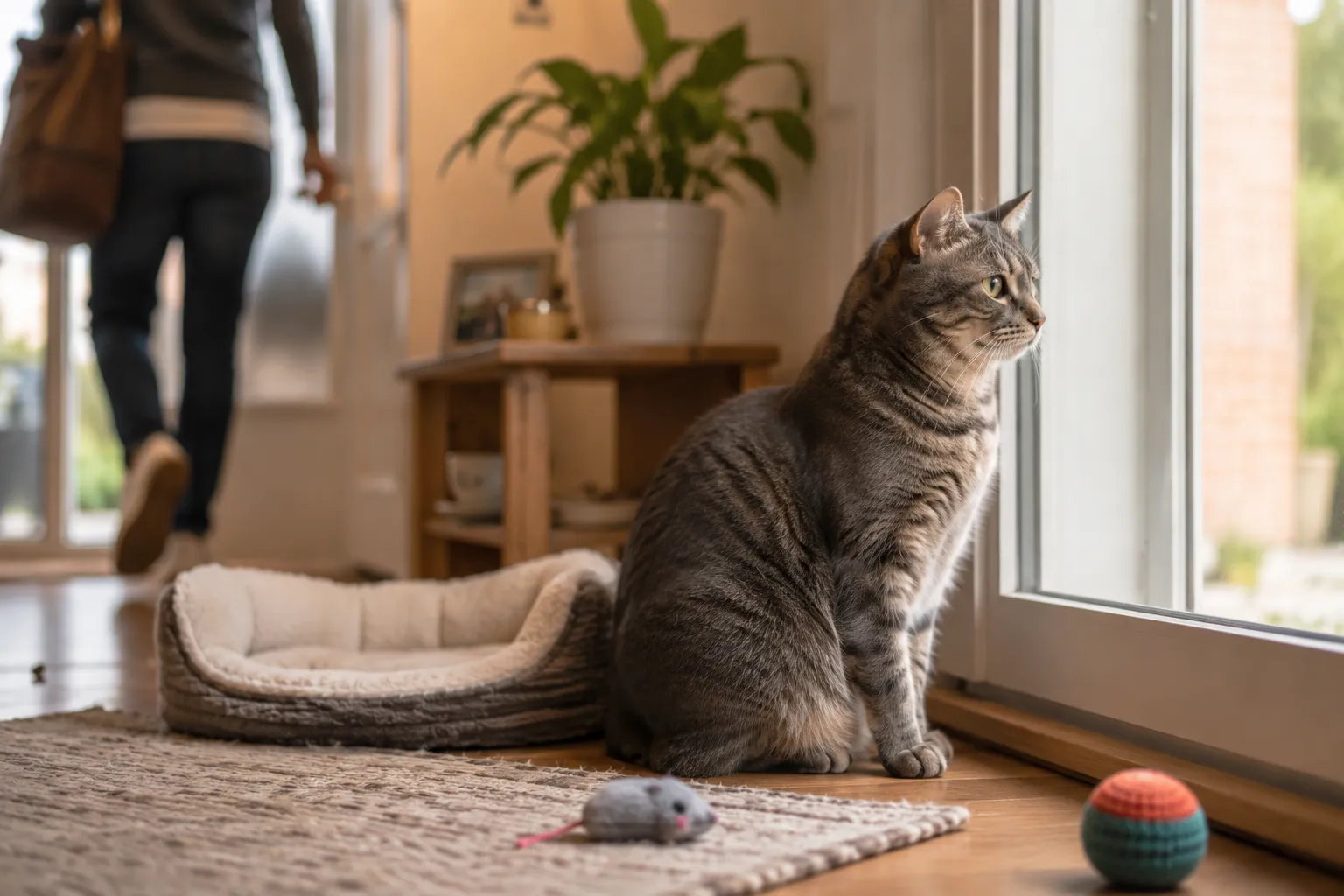

Cats can form strong emotional bonds with their owners, and while they are often seen as independent pets, many cats enjoy the comfort and security of human companionship. Cat Separation Anxiety is a common concern among pet owners when their feline shows signs of stress, fear, or behavioral changes after being left alone. Understanding why separation anxiety happens, how to recognize the signs, and what steps can help your cat feel more comfortable is important for supporting their overall well-being.
What Is Separation Anxiety in Cats?
Separation anxiety occurs when a cat experiences stress or discomfort when separated from their owner or familiar environment. While dogs are more commonly associated with separation anxiety, cats can also develop strong attachments and struggle when their routine changes.
Cats are creatures of habit. They rely on familiar people, smells, sounds, and daily patterns to feel secure. When something disrupts this sense of stability, some cats may react with anxious behaviors.
Separation anxiety does not mean a cat is simply being difficult. It is often a sign that they are feeling uncertain or overwhelmed.
Why Do Cats Develop Separation Anxiety?
There are several reasons a cat may become anxious when left alone. Some cats are naturally more sensitive, while others may develop anxiety after a specific life change.
Common reasons include:
- Sudden changes in daily routines
- Spending long periods alone after having constant companionship
- Moving to a new home
- Changes in family members or household pets
- Past experiences that created fear or insecurity
- Lack of mental stimulation or environmental enrichment
Cats that have experienced major changes may become more dependent on their owners because familiar people provide a sense of safety.
Signs Your Cat May Have Separation Anxiety
Cats communicate through their behavior, so changes in their normal habits can provide important clues. Some cats show obvious signs of distress, while others display subtle changes.
A cat experiencing separation anxiety may follow their owner constantly, become more vocal when left alone, or show changes in eating and sleeping patterns. Some cats may also groom excessively, damage household items, or avoid using the litter box.
Understanding your cat’s normal personality makes it easier to notice when something has changed.
How Separation Anxiety Affects Indoor Cats
Indoor cats may be more likely to experience separation-related stress because their entire world revolves around their home environment. Without outdoor exploration, they depend heavily on their surroundings and daily interactions for stimulation.
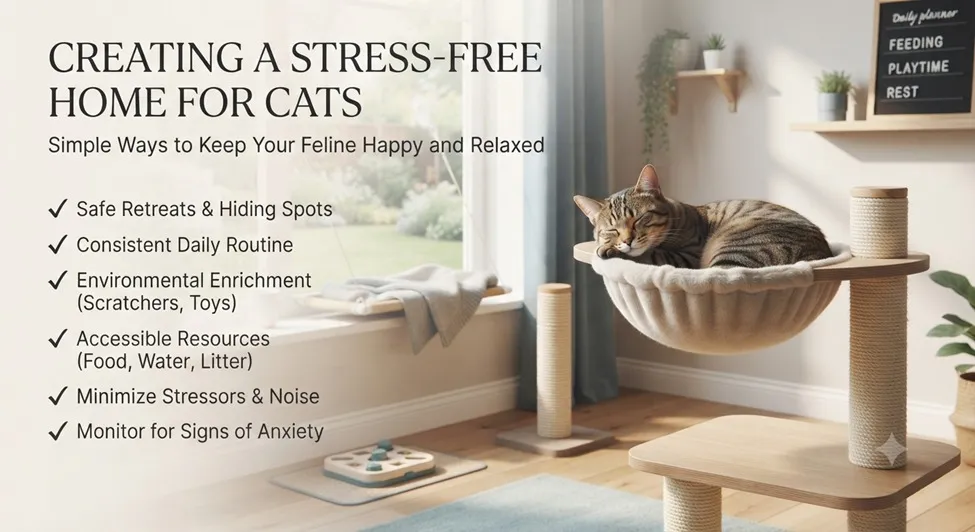
A cat that spends many hours alone without activities may become bored or frustrated. Providing enrichment through toys, climbing spaces, and interactive play can help create a more engaging environment.
A predictable routine also helps cats feel secure. Feeding, playtime, and attention at consistent times can reduce uncertainty.
Ways to Help a Cat Feel More Comfortable Alone
Helping a cat manage separation anxiety requires patience and consistency. The goal is to build confidence and make alone time feel safe rather than stressful.
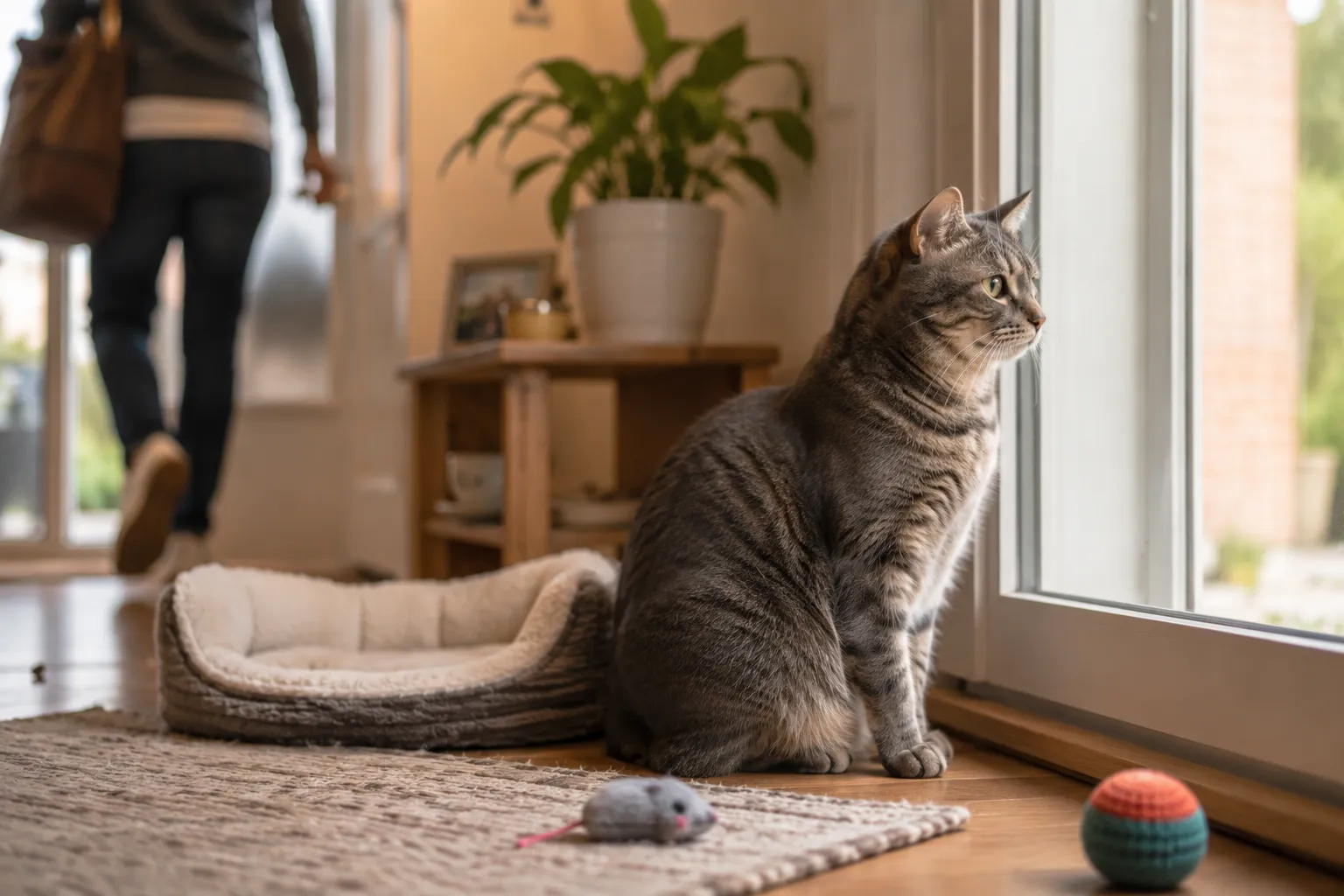
Creating a comfortable space with familiar bedding, toys, and resting areas can provide reassurance. Puzzle toys and interactive activities can keep your cat mentally engaged while you are away.
Gradually increasing the amount of time your cat spends alone can also help them adjust. Avoid making departures and arrivals overly dramatic, as this can increase emotional reactions.
Supporting Your Cat’s Emotional Wellness
A calm environment, proper care, and regular enrichment all play an important role in feline emotional health. Many owners also explore additional support options that fit into their cat’s daily wellness routine.
Products designed for relaxation support may be helpful when combined with healthy habits such as play, routine, and environmental enrichment. For cat owners looking for an easy addition to their pet care approach, Calming Chews for Cat can be included as part of a wellness routine focused on helping cats feel more relaxed during stressful situations.
These types of products work best alongside proper care practices rather than replacing the importance of a safe and supportive environment.
When to Seek Professional Advice
If your cat shows sudden or severe behavioral changes, it may be helpful to consult a veterinarian. Anxiety-like behaviors can sometimes be connected to underlying health issues.
A professional can help determine whether the behavior is related to stress, medical concerns, or environmental factors and suggest appropriate solutions.
Final Thoughts
Cats can experience strong emotions and may struggle when separated from the people and routines they depend on. Recognizing the signs of Cat Separation Anxiety allows owners to provide better support and create a more comforting environment.
With patience, consistency, enrichment, and thoughtful care, many cats can become more confident and comfortable when spending time alone.


























Sign in to leave a comment.