

 Understanding Short-Term Accommodation (STA): Benefits for NDIS Participants
For many people living with a disability, having access to the right support can make a significant difference in their daily lives. The National Disability Insurance Scheme (NDIS) offers a range of funded supports designed to help participants achieve greater independence, improve wellbeing, and strengthen connections within their communities. One of these valuable supports is Short-Term Accommodation (STA).
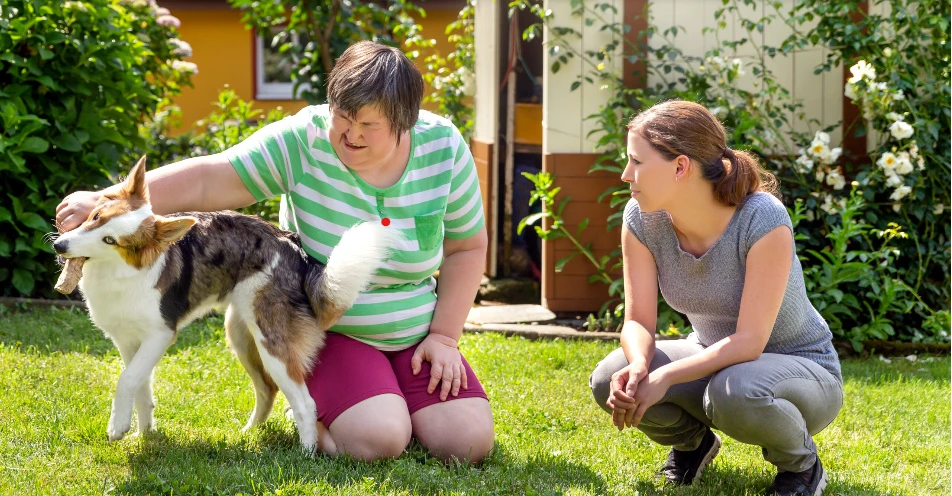
Whether it's providing a temporary change of environment, giving family members a well-deserved break, or helping participants build new skills, Short-Term Accommodation is much more than a place to stay. It is an opportunity for personal growth, social engagement, and increased independence.
What is Short-Term Accommodation (STA)?
Short-Term Accommodation, commonly referred to as STA, is an NDIS-funded support that provides participants with temporary accommodation along with personal care, meals, and assistance with daily activities.
Depending on individual goals and funding, STA may be available for up to 28 days each year. The stay can range from a single night to several consecutive days and is tailored to meet the participant's unique needs.
STA is often used for:
- Respite for family members and carers
- Developing independent living skills
- Accessing community activities
- Building confidence in new environments
- Receiving personalised support in a safe setting
Rather than simply offering accommodation, STA focuses on creating positive experiences that contribute to a participant's long-term goals.
How STA Supports Greater Independence
One of the biggest advantages of Short-Term Accommodation is the opportunity to develop practical life skills in a supportive environment.
Participants are encouraged to take part in everyday activities such as preparing meals, organising personal routines, managing personal care, and participating in household responsibilities according to their abilities.
These experiences help improve confidence while preparing participants for increased independence in the future.
Many providers offering melbourne disability services design personalised STA programs that focus on individual goals rather than providing the same experience for everyone.
A Well-Deserved Break for Families and Carers
Caring for a loved one can be rewarding, but it can also be physically and emotionally demanding.
Short-Term Accommodation gives carers an opportunity to rest, attend to personal commitments, or simply recharge while knowing their family member is receiving high-quality support from trained professionals.
This temporary break often strengthens family relationships by reducing stress and preventing caregiver burnout.
At the same time, participants enjoy new experiences, meet new people, and continue receiving consistent support.
Building Social Connections
Social isolation can affect both physical and emotional wellbeing.
STA encourages participants to engage with others through recreational activities, group outings, creative workshops, and community events. These opportunities allow participants to develop friendships, improve communication skills, and build confidence in social settings.
Creating meaningful social connections often leads to improved mental wellbeing and a stronger sense of belonging.
Supporting Daily Living Skills
Everyday routines are an important part of independent living.
During an STA stay, participants can receive support with activities such as:
- Personal care and hygiene
- Meal preparation
- Medication reminders
- Shopping and budgeting
- Community participation
- Household organisation
For participants already receiving ndis household tasks melbourne, STA can provide an opportunity to further strengthen these everyday skills in a practical environment while maintaining familiar routines.
Improving Emotional Wellbeing
A change of environment can positively impact emotional health.
Participants often benefit from experiencing new surroundings, participating in enjoyable activities, and developing greater self-confidence through supported independence.
For individuals living with psychosocial disabilities, STA can also provide valuable opportunities to practise coping strategies, establish healthy routines, and build resilience.
When appropriate, a psychosocial recovery coach melbourne may work alongside participants to support recovery goals, improve self-management skills, and encourage greater community participation before, during, or after an STA experience.
Achieving NDIS Goals
Every NDIS participant has unique goals outlined in their individual plan.
Short-Term Accommodation can directly contribute to goals such as:
- Increasing independence
- Developing daily living skills
- Improving social participation
- Building confidence
- Strengthening communication skills
- Enhancing community engagement
Because STA is goal-focused, it supports meaningful progress rather than simply providing temporary accommodation.
The Importance of Coordinated Support
Successfully accessing the right NDIS services often requires careful planning.
Participants may work with an ndis support coordination melbourne provider to better understand their funding, identify suitable STA providers, coordinate services, and ensure supports align with their individual goals.
Support coordinators help participants make informed decisions while ensuring all available supports work together to deliver the best possible outcomes.
Choosing the Right STA Provider
Not every provider offers the same experience.
When selecting an STA provider, consider factors such as:
- Qualified and experienced support staff
- Personalised care plans
- Safe and accessible accommodation
- Flexible support options
- Opportunities for community participation
- Positive participant feedback
- Clear communication with families
A quality provider focuses on the participant's goals, preferences, and wellbeing while delivering compassionate, person-centred care.
Is Short-Term Accommodation Right for You?
Short-Term Accommodation can benefit participants of different ages, abilities, and support needs.
It may be suitable if you want to:
- Build greater independence
- Experience new activities
- Develop life skills
- Give your regular carer a temporary break
- Increase confidence in different environments
- Expand your social connections
The suitability of STA depends on your individual NDIS plan and personal goals, making it important to discuss available options with your provider or support coordinator.
Final Thoughts
Short-Term Accommodation is far more than temporary housing. It is an opportunity to build independence, develop practical skills, strengthen social connections, and improve overall wellbeing.
With the right support team, participants can enjoy meaningful experiences that contribute to long-term personal growth while giving families and carers valuable peace of mind.
By choosing a participant-focused provider that understands individual needs, Short-Term Accommodation can become an important step towards a more fulfilling and empowered life.
























Sign in to leave a comment.