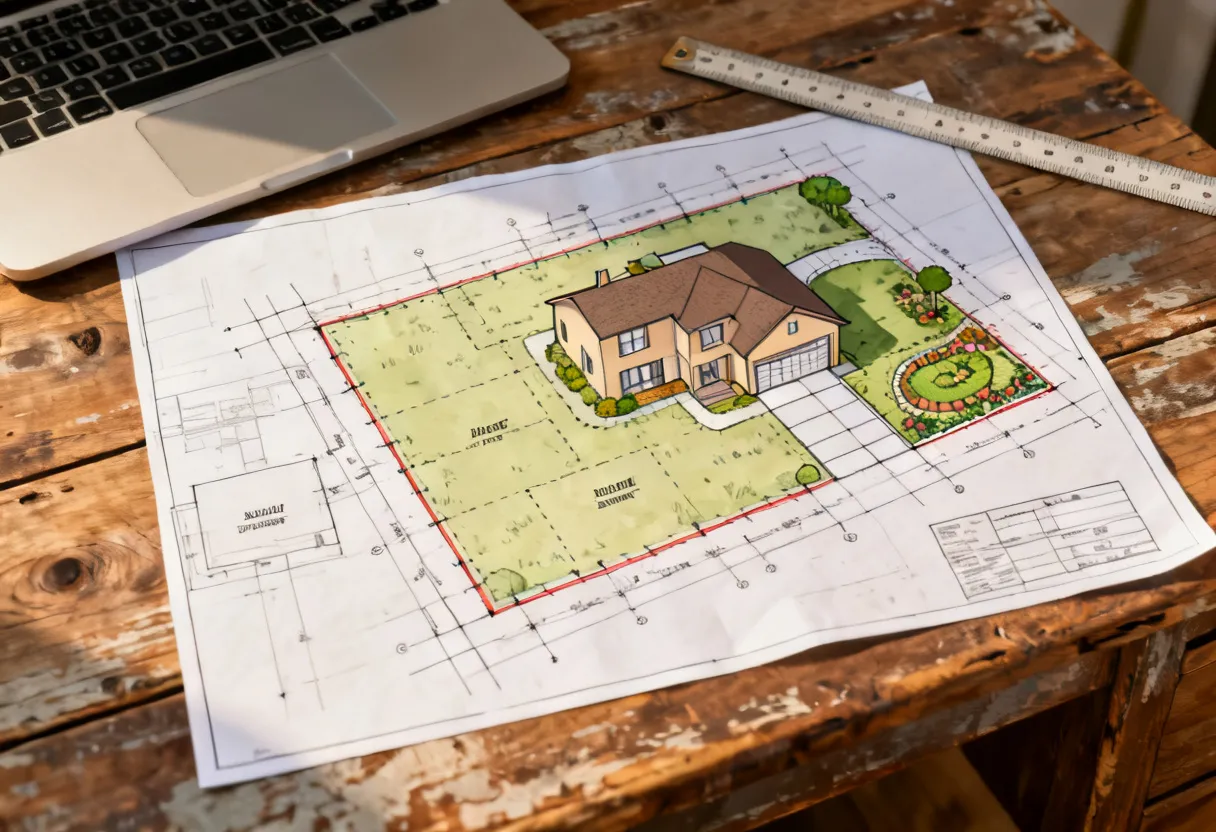

A residential construction project always begins long before the first brick is laid. One of the most important early steps is creating a clear and accurate site plan. Whether you are building a new home, adding an extension, or planning a renovation, understanding how site plans work can save time, money, and legal complications. Many homeowners are unsure where to begin or how to get a site plan, but once you understand the basics, the process becomes much more manageable.
A site plan is more than just a drawing. It is a technical representation of your property that shows how your structure interacts with the land and surrounding environment. In residential projects, it plays a key role in approvals, design decisions, and construction accuracy.
What a Site Plan Really Means in Residential Construction
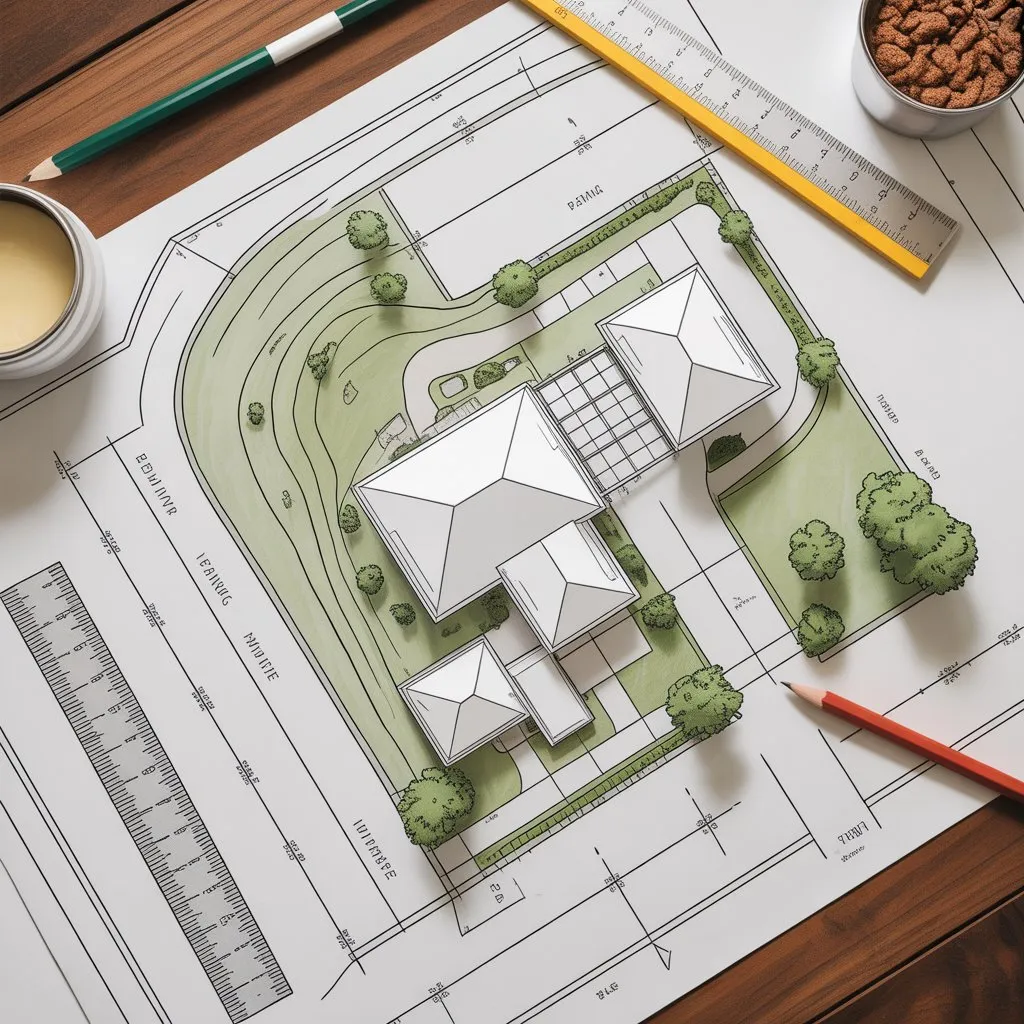
A site plan is a scaled drawing that shows the layout of a property from a bird’s-eye view. It includes the position of buildings, boundaries, driveways, walkways, landscaping elements, utilities, and setbacks. In residential projects, it helps architects, builders, and local authorities understand exactly how the property is organized.
When you get a site plan, you are essentially getting a visual roadmap of your land. This map is used for planning construction safely and legally. It ensures that your home is positioned correctly according to zoning laws and building regulations. Without a proper site plan, even simple construction projects can face delays or rejections from authorities.
Why Site Plans Are Essential for Homeowners
For homeowners, a site plan is not just a formality. It is a critical document that supports decision-making at every stage of a project. Before construction begins, it helps you understand how much space is available and how your structure will fit within that space.
A well-prepared site plan also helps prevent costly mistakes. For example, building too close to property boundaries or ignoring drainage patterns can lead to legal disputes or structural damage. With a proper site plan in place, these risks are minimized because everything is carefully mapped out in advance.
Site plans are also required when applying for building permits. Local authorities rely on them to ensure your project meets safety and zoning standards. Without it, approvals can be delayed or even denied.
Step-by-Step Understanding of Site Plan Creation
The process of creating a site plan begins with collecting accurate information about the property. This includes measurements of land boundaries, existing structures, and natural features like trees or slopes. Surveyors or professionals often gather this data using specialized tools to ensure accuracy.
Once the data is collected, it is converted into a scaled drawing. This drawing shows how different elements of the property relate to each other in space. For residential projects, this includes the house layout, garage placement, garden areas, and access points like roads or driveways.
After the draft is created, it is reviewed and refined. Adjustments may be made based on design requirements, building codes, or homeowner preferences. The final version becomes the official document used for planning and approval purposes.
When you are ready to get a site plan, working with experienced professionals ensures the process is smooth and accurate from start to finish.
Site Plan vs Plot Plan: Understanding the Difference
Many people confuse a site plan with a plot plan, but they are not exactly the same. While both documents are related to land and construction, they serve slightly different purposes.
A site plan is more detailed and comprehensive. It includes not only the boundaries of the land but also the placement of buildings, utilities, landscaping, and other structural elements. It shows how the entire property is developed and organized.
A plot plan, on the other hand, is usually simpler. It mainly focuses on the boundaries of the land and the location of the main structure. It does not always include detailed design elements like landscaping or utility layouts.
In residential projects, the site plan is often the more important document because it provides a complete overview of the property. Understanding site plan vs plot plan helps homeowners choose the right document depending on their needs. If you are applying for permits or planning construction, a site plan is usually required.
Common Uses of Site Plans in Residential Projects
Site plans are used in many stages of residential development. During the design phase, architects rely on them to position buildings correctly on the land. This ensures proper spacing, natural light access, and ventilation.
During construction, builders use site plans to follow precise measurements. This helps avoid errors and ensures that everything is built according to the approved design. Even small miscalculations can lead to serious issues later, so accuracy is essential.
Site plans are also used for legal and administrative purposes. Local governments require them for permits, inspections, and zoning compliance. In addition, they are useful for future modifications, such as home extensions or landscaping upgrades.
For homeowners who want to get a site plan, it is important to understand that this document will be used throughout the entire lifecycle of the property, not just at the beginning.
How to Get a Site Plan for Your Property
Getting a site plan usually starts with hiring a qualified surveyor, architect, or planning service. These professionals assess your land and gather the necessary measurements. In some cases, existing records or municipal data may also be used to create a base plan.
Once the information is collected, a detailed site plan is prepared using design software or manual drafting techniques. The final document is then reviewed to ensure it meets local building regulations and project requirements.
Homeowners should ensure that the service they choose is reliable and experienced, as accuracy is critical. A well-prepared site plan not only supports construction but also protects you from legal or structural issues in the future.
When you decide to get a site plan, it is always best to provide clear project goals so the plan can be tailored to your needs.
Final Thoughts on Site Plans for Residential Projects
A site plan is one of the most important documents in any residential construction project. It brings clarity, structure, and legal compliance to the entire building process. From initial design to final construction, it acts as a guide that ensures everything is done correctly.
Understanding site plan vs plot plan helps homeowners avoid confusion and choose the right documentation for their project. While a plot plan provides basic land information, a site plan offers a complete overview of how the property will function and develop.
For anyone planning to build or renovate a home, taking the time to properly get a site plan is a smart investment. It reduces risks, improves planning accuracy, and ensures smoother approval processes. In the long run, it becomes the foundation of a successful residential project.























Sign in to leave a comment.