

Slips, trips and falls are among the most common causes of injury across workplaces and public spaces in the United Kingdom. These incidents may appear minor at first, but they can lead to serious physical harm, financial loss, and long-term disruption to daily life. Understanding how these claims work is essential for anyone seeking compensation after an accident.
What is a Slip, Trip, and Fall claim?
A slip, trip, or fall claim is a type of personal injury case made when an individual is injured due to unsafe conditions caused by another party’s negligence. Common hazards include wet floors, uneven surfaces, poor lighting, and obstructed walkways.
In the UK, property owners, employers, and local authorities have a legal duty to ensure that their premises are safe. If they fail to meet this responsibility and someone is injured as a result, the injured party may have the right to seek compensation.
How these accidents occur
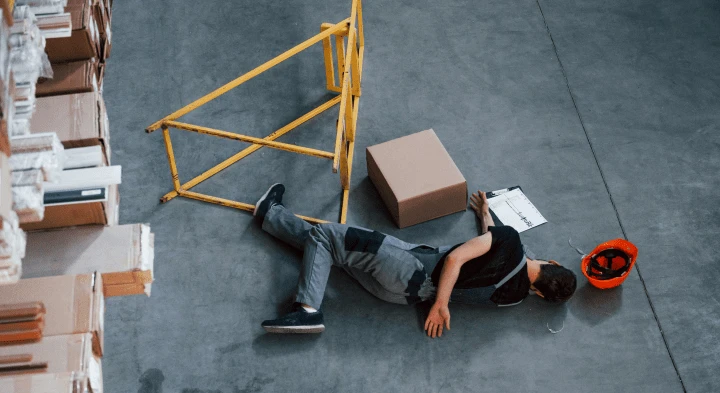
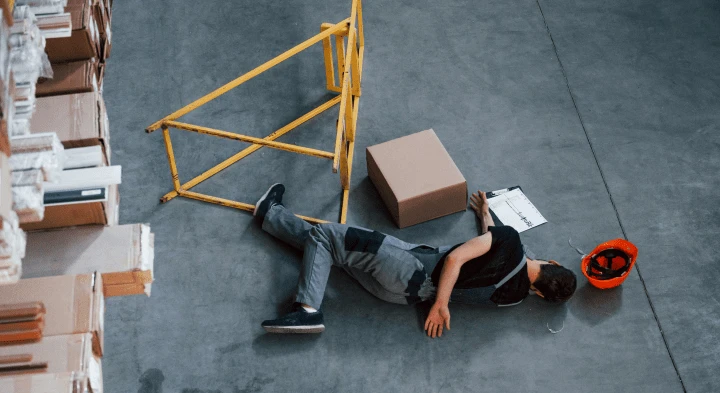
These accidents typically happen due to preventable risks. A slip may occur on a wet or polished surface, while a trip is often caused by obstacles such as loose cables or uneven flooring. Falls may result from either situation, sometimes worsened by poor lighting or lack of warning signs.
Such incidents can occur in workplaces, supermarkets, pavements, or any public or private property where safety standards are not properly maintained.
The legal basis for a claim
To make a successful claim, it must be proven that another party failed in their duty of care and that this failure directly caused the injury. This is commonly referred to as negligence.
A strong claim relies on demonstrating three key elements:
- A duty of care was owed
- That duty was breached
- The breach caused the injury
This process forms the foundation of a slip and fall compensation claim, helping determine whether compensation is justified.
Evidence required to support a claim
Evidence plays a crucial role in strengthening a case. Claimants are generally required to provide documentation that supports both the incident and the injury. This may include:
- Photographs or videos of the hazard
- Witness statements
- Accident reports
- Medical records and assessments
Collecting evidence as soon as possible after the incident is important, as conditions can change quickly and details may become harder to verify over time.
What compensation may cover
Compensation in slips, trips and falls claims is designed to address both physical and financial impacts. The amount awarded depends on several factors, including the severity of the injury and its long-term effects.
Typically, compensation may include:
- Medical treatment and rehabilitation costs
- Loss of earnings
- Pain and suffering
- Ongoing care or support needs
Each claim is assessed individually, ensuring that the outcome reflects the specific circumstances of the case.
How claims are resolved
Most claims are resolved through negotiation between legal representatives and insurers. If liability is clear and evidence is strong, settlements can often be reached without court proceedings. However, if responsibility is disputed, the case may proceed through the legal system for a formal decision.
Conclusion
Slips, trips and falls claims play an important role in ensuring accountability and promoting safer environments. By understanding how these claims are assessed and what evidence is required, individuals can better navigate the legal process.
While every case is unique, the structured legal framework in the UK ensures that claims are handled fairly, with outcomes based on evidence, responsibility, and the true impact of the injury.






























Sign in to leave a comment.