
Knee injuries can be scary for anyone who loves sports or stays active. One ligament that often comes up in these injuries is the anterior cruciate ligament (ACL). The ACL is a strong band of tissue deep inside your knee that plays a big role in keeping your knee stable. You may have heard of an ACL tear on sports TV, but do you know what the anterior cruciate ligament is and what it does?
What is the Anterior Cruciate Ligament?
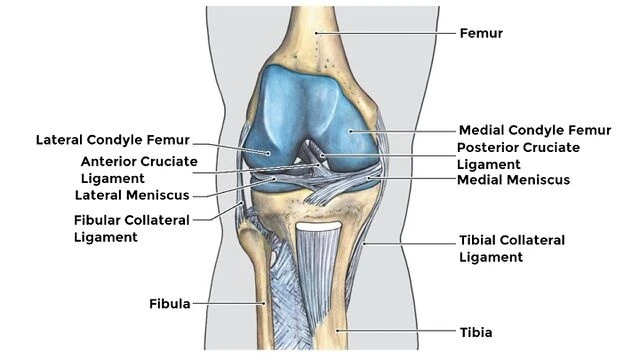
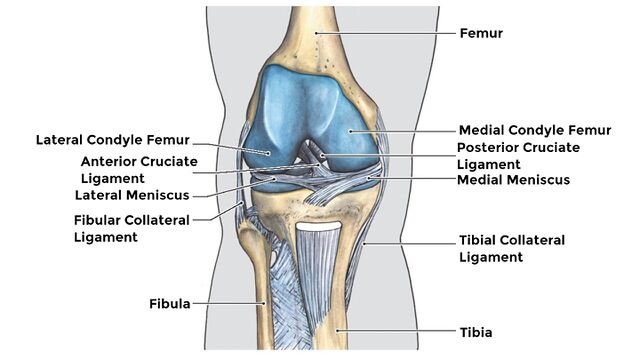
The knee is a complex joint held together by several key ligaments. One of these ligaments is the anterior cruciate ligament (ACL). The ACL is a tough, fibrous band of tissue deep inside the knee. It connects the thigh bone (femur) to the shin bone (tibia) and runs diagonally through the middle of the knee. This connection helps keep the bones aligned and the knee stable.
You can think of the anterior cruciate ligament as a seatbelt for your knee. Like a seatbelt in a car, it holds things in place to prevent injury. The ACL attaches at the back of the femur and the front of the tibia. It crosses over another ligament (the PCL) inside the knee, forming an “X” shape. This is why they are called “cruciate” (which means “cross-shaped”).
Functions of the ACL
The anterior cruciate ligament performs several key jobs for your knee. Its main functions include:
- Stabilizes the knee: The anterior cruciate ligament helps keep your knee steady and resists sudden twists or bends. For example, when you change direction quickly while running or pivot on the ground, the ACL pulls tight to help prevent your knee from collapsing.
- Prevents forward sliding of the shinbone: Another key function of the anterior cruciate ligament is to hold the shinbone (tibia) in place and stop it from sliding forward under the thigh bone. Imagine if your lower leg could slide forward every step – your knee would feel very unstable. The ACL acts like a “stop sign” for that forward motion.
- Limits side-to-side movement: The anterior cruciate ligament also helps stop your knee from collapsing inward or rolling outward. When you land from a jump or make a side-step, the ACL absorbs the force and keeps your knee aligned. This helps prevent the knee from bending unnaturally to the sides.
- Controls knee rotation: The knee naturally allows a small amount of rotation when it is slightly bent. The anterior cruciate ligament helps regulate this rotation. It relaxes a bit as the knee bends and then tightens as the knee straightens, ensuring that the knee only twists as much as it should.
Common ACL Injuries and How They Happen
ACL tears are common in sports. Sports like soccer, basketball, football, and skiing often involve sudden stops and quick direction changes that can tear the anterior cruciate ligament. Common ways these injuries happen include:
- Sudden stops and starts: Quickly stopping from a run or changing direction can strain or tear the ACL.
- Twisting the knee: If your foot is planted and your body pivots or twists, the ACL can be forced past its limit.
- Landing awkwardly: Landing from a jump on one leg or with knees slightly in can put too much pressure on the ACL.
- Direct impact: A strong hit or tackle to the knee can push it out of position and tear the ACL.
Symptoms of an ACL Injury
When the anterior cruciate ligament is torn, people often notice:
- A popping sound: Many people hear or feel a pop in the knee at the time of injury.
- Immediate swelling: The knee usually swells up soon after the ACL is torn.
- Pain when bearing weight: Putting weight on the leg is painful, especially right after the injury.
- Instability: The knee may feel like it’s “giving way” or unable to support the leg when you try to stand or move.
If you notice these symptoms after a knee injury, it’s important to rest and get your knee checked by a medical professional.
How the ACL is Treated and Healed
A torn anterior cruciate ligament often needs proper treatment because it won’t heal well on its own. Common treatment approaches include:
- Physical therapy: In some cases, guided exercises and therapy are used to strengthen the muscles around the knee. Strong leg muscles can help compensate for the torn ligament and improve stability.
- Surgery (ACL reconstruction): Often, a torn ACL is surgically replaced. In this procedure, a surgeon takes a piece of tendon from another part of your leg and uses it to rebuild the ACL. Over time, this graft becomes a new, functioning ligament.
- Rehabilitation: After a tear (with or without surgery), a rehab program is crucial. Physical therapy will focus on restoring range of motion, building strength, and gradually returning to activities. Healing from an ACL injury typically takes several months of hard work.
Most people can return to their normal activities after proper treatment and rehabilitation, but it requires patience and following your therapy plan carefully.
Preventing ACL Injuries
While not all injuries can be prevented, you can reduce the risk of tearing your ACL by:
- Strength training: Exercises that build your thigh muscles (quadriceps and hamstrings) help support your knee. Strong legs take pressure off the ACL.
- Proper technique: Learn to jump, land, and pivot with correct form. For example, bending your knees when you land and making sure they don’t cave inward can protect the ligament.
- Flexibility: Keep your leg and hip muscles flexible through regular stretching. Flexible muscles help maintain proper knee alignment.
- Balance and agility training: Work on drills that improve your balance and teach you to move smoothly. Activities like single-leg squats, jump-landing exercises, and agility ladders can help your muscles respond better to sudden moves.
Key Takeaway
The anterior cruciate ligament (ACL) is a vital part of your knee’s anatomy and function. This strong band of tissue keeps your thigh bone and shin bone aligned and stabilizes the knee during movement. Understanding how the ACL works can help you appreciate its importance: it tightens during twists, prevents your lower leg from sliding too far forward, and keeps the knee aligned during jumps and landings.
For anyone who’s active or recovering from an injury, protecting the ACL is crucial. Strengthen your legs, practice safe movement techniques, and listen to your body. If you ever experience a knee injury, rest and consult a doctor. With the right care and conditioning, you can keep your ACL—and your knees—healthy and strong.





























Sign in to leave a comment.