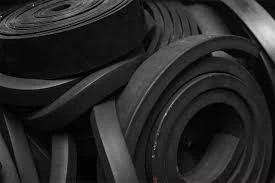

Rubber is a versatile material used in countless products - from car tires and industrial machinery parts to household items and medical equipment. But what many people don’t realize is that behind every rubber product lies a complex mix of raw materials that determine its strength, flexibility, durability, and cost. In this blog, we’ll break down what rubber raw materials are, the types that exist, and why they matter.
What is Rubber Raw Materials?
Rubber raw materials are the essential ingredients used to produce rubber compounds. These materials can be natural or synthetic and are combined with various additives to achieve specific performance characteristics depending on the application.
At its core, rubber production begins with one of two base types:
- Natural Rubber (NR) – harvested from the latex of the Hevea brasiliensis tree.
- Synthetic Rubber (SR) – made from petrochemical feedstocks, primarily derived from crude oil.
These base rubbers are then processed with reinforcing agents, fillers, chemicals, and other compounds to create the final rubber products.
Key Types of Rubber Raw Materials
Here are the main categories of rubber raw materials:
1. Base Polymers
These form the primary structure of rubber. The most common include:
- Natural Rubber (NR)
- Styrene-Butadiene Rubber (SBR)
- Nitrile Rubber (NBR)
- Ethylene Propylene Diene Monomer (EPDM)
- Butyl Rubber (IIR)
- Silicone Rubber (VMQ)
Each type has different properties — some are heat-resistant, others are oil-resistant, and some offer excellent elasticity or weather resistance.
2. Fillers
Fillers are used to enhance strength and reduce cost:
- Carbon Black – Improves strength, abrasion resistance, and UV protection.
- Silica – Used when low rolling resistance and better wet grip are desired (common in tire manufacturing).
- Clay and Calcium Carbonate – Less expensive, used to reduce material cost.
3. Plasticizers and Softeners
These improve processing and flexibility:
- Aromatic Oils
- Paraffinic or Naphthenic Oils
- Vegetable-Based Oils (for more eco-friendly options)
4. Vulcanizing Agents
Rubber must be vulcanized (cured) to become usable. This involves cross-linking molecules using:
- Sulfur
- Peroxides
- Metal Oxides (used in specific rubber types like chloroprene)
5. Accelerators and Activators
These speed up and improve the vulcanization process:
- Accelerators (e.g., MBT, CBS, TMTD)
- Activators (e.g., Zinc Oxide, Stearic Acid)
6. Antioxidants and Antiozonants
These extend the life of rubber by protecting it from heat, oxygen, and ozone degradation.
Why Rubber Raw Materials Matter?
The choice of raw materials directly impacts:
- Performance (e.g., heat resistance, flexibility)
- Durability (especially in harsh conditions)
- Cost (raw material pricing can vary widely)
- Sustainability (renewable vs. petroleum-based ingredients)
Manufacturers must carefully select and balance raw materials to meet the specific requirements of each product. For example, a rubber gasket used in a high-temperature engine environment will require very different ingredients than a rubber mat used in a home gym.
Conclusion
Understanding rubber raw materials gives insight into the science and strategy behind everyday rubber products. From the origin of natural latex to advanced synthetic polymers and performance-enhancing additives, each material plays a critical role in shaping the characteristics of rubber.
Whether you're a manufacturer, a product designer, or simply curious about how rubber works, knowing the basics of rubber raw materials is a great starting point.


















![Best SEO Agencies in the USA [2026]: 12 Firms Compared by Budget, Industry and AI-Search Readiness](/data/post/1959996/4595254871dd0df65bf916ff.webp)


Sign in to leave a comment.