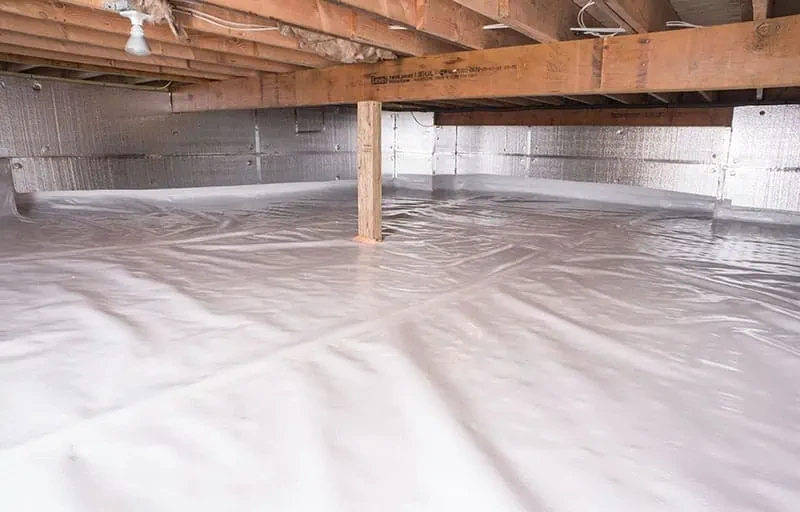

When it comes to making your home more energy-efficient, comfortable, and structurally sound, the crawl space is often overlooked. Yet, this small area beneath your house can have a significant impact on your indoor climate, energy bills, and even air quality. One of the most effective ways to address crawl space issues is insulation. But what exactly is crawl space insulation, and why is it so important?
What Is Crawl Space Insulation?
Crawl space insulation refers to the process of installing insulating materials in the crawl space beneath your home. This area, usually between the ground and the first floor, can be either ventilated or unventilated. Depending on the type, insulation can be applied to:
- The subfloor above the crawl space (in ventilated spaces)
- The walls of the crawl space (in unventilated or sealed spaces)
- The crawl space ceiling (for certain retrofit situations)
Common materials used include:
- Fiberglass batts
- Rigid foam boards
- Spray foam insulation
- Reflective insulation or vapor barriers
Why Does Your Home Need Crawl Space Insulation?
1. Improved Energy Efficiency
Crawl spaces often let in cold air during winter and hot, humid air during summer. Without insulation, your HVAC system works overtime to maintain a comfortable indoor temperature. Proper crawl space insulation acts as a thermal barrier, reducing heat transfer and lowering your energy bills.
2. Enhanced Indoor Comfort
Have you noticed cold floors in winter or uneven temperatures from room to room? Crawl space insulation helps maintain a consistent indoor climate, especially on the ground floor. No more freezing feet in the morning!
3. Moisture and Mold Control
A poorly insulated or unsealed crawl space is prone to moisture buildup, which can lead to mold growth, wood rot, and structural damage. Adding insulation—along with a proper vapor barrier—helps reduce moisture intrusion and keeps your foundation healthy.
4. Better Air Quality
Believe it or not, about 40% of the air you breathe on the first floor comes from the crawl space. If the crawl space is damp, musty, or moldy, those pollutants can circulate through your home. Insulation and sealing reduce the risk of airborne contaminants, contributing to a healthier living environment.
5. Pest Prevention
Insects and rodents love damp, dark crawl spaces. Insulating and sealing your crawl space creates a less hospitable environment for pests, protecting your home from infestations.
6. Increased Home Value
An energy-efficient, well-maintained home is more appealing to buyers. Crawl space upgrades, including insulation, can be a selling point that sets your home apart on the market.
Ventilated vs. Unventilated Crawl Spaces: What’s the Difference?
- Ventilated crawl spaces: These have vents to allow outside air in. Insulation is usually installed under the subfloor.
- Unventilated (sealed) crawl spaces: These are sealed off from the outside and usually include insulation along the walls, a vapor barrier on the floor, and sometimes a dehumidifier.
Modern building science often favors sealed and insulated crawl spaces, especially in humid climates, because they perform better in terms of moisture control and energy efficiency.
Conclusion
Crawl space insulation might not be the most glamorous home upgrade, but it’s one of the smartest. It helps you save money, stay comfortable, and protect your home’s structure for the long haul. Whether you're building a new home or retrofitting an older one, investing in crawl space insulation is a step toward a healthier, more efficient home.
























Sign in to leave a comment.