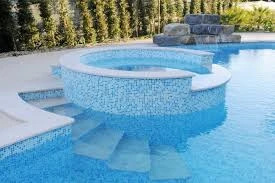

When designing a swimming pool, selecting the right tiles is crucial not only for aesthetics but also for durability and safety. Swimming pool tiles come in various materials, designs, and finishes, each affecting the overall cost of your project. In this article, we’ll explore the factors that influence the price of swimming pool tiles, helping you make an informed decision that fits your budget.
Factors Influencing the Price of Swimming Pool Tiles
1. Material Type
The material of the tiles is one of the most significant factors affecting the cost. Different materials offer distinct benefits and vary widely in price:
Ceramic and Porcelain Tiles: Ceramic and porcelain are among the most popular choices for swimming pool tiles due to their affordability, durability, and wide range of design options. They are resistant to water and chemicals, making them ideal for pool environments. Generally, ceramic tiles are less expensive than porcelain, though porcelain offers superior durability and is often preferred for its resistance to chipping and cracking.
Glass Tiles: Glass tiles are a premium option, known for their stunning visual appeal and reflective properties. They create a shimmering effect under the water, enhancing the pool\'s aesthetic. However, glass tiles are more expensive than ceramic or porcelain, both in terms of material cost and installation. They require precise cutting and placement, which can increase labor costs.
Natural Stone Tiles: Natural stone, such as travertine, granite, or marble, offers a luxurious and timeless look for swimming pools. These tiles are highly durable and provide a natural, elegant finish. However, they are typically more expensive than ceramic or porcelain, and they may require sealing to maintain their appearance and protect them from water damage.
Mosaic Tiles: Mosaic tiles, often made from glass, ceramic, or stone, can be more expensive due to the intricate designs and detailed craftsmanship involved. These tiles are often used to create unique patterns or images, adding a custom touch to the pool. The cost of mosaic tiles can vary widely depending on the complexity of the design and the materials used.
2. Tile Size and Shape
The size and shape of the tiles also impact the overall cost. Smaller tiles, such as those used in mosaics, generally cost more per square foot due to the additional material and labor required for installation. Larger tiles may be more cost-effective but might not provide the same level of detail or visual interest.
Specialty shapes, such as hexagons or custom-cut designs, can also increase the price, as these tiles often require more precise manufacturing and installation techniques.
3. Design and Finish
The design and finish of the tiles play a significant role in their pricing. Tiles with intricate patterns, vibrant colors, or textured finishes tend to be more expensive than plain or standard tiles. Custom designs or unique finishes, such as iridescent or metallic effects, can significantly increase the cost.
Tiles with anti-slip finishes, which are particularly important for pool surrounds and steps, may also come at a premium price due to the additional safety features they provide.
4. Installation Costs
The cost of installing swimming pool tiles is another important factor to consider. Complex designs, such as mosaics or intricate patterns, require more time and expertise to install, leading to higher labor costs. Additionally, some materials, like glass or natural stone, require specialized tools and skills, further increasing the installation expenses.
It’s essential to factor in the cost of grout, adhesives, and sealing materials when budgeting for your pool tile project. These materials ensure the longevity and durability of the tiles, particularly in a wet environment like a swimming pool.
5. Brand and Quality
The brand and quality of the tiles can also influence the price. High-end brands known for their craftsmanship and durability may charge a premium, but they often provide longer-lasting and more aesthetically pleasing products. While it may be tempting to opt for cheaper alternatives, investing in high-quality tiles can save you money in the long run by reducing the need for repairs or replacements.
Budgeting for Swimming Pool Tiles
When budgeting for swimming pool tiles, it’s important to consider not only the cost of the tiles themselves but also the installation and maintenance costs. While high-end materials and intricate designs can significantly enhance the look of your pool, they also come with a higher price tag. Balancing your aesthetic goals with your budget will help you achieve the desired outcome without overspending.
If you\'re working with a limited budget, consider using premium tiles for focal points, such as the pool’s waterline or steps, and more affordable options for larger areas. This approach allows you to create a stunning visual impact while keeping costs under control.
Conclusion
The price of swimming pool tiles is influenced by several factors, including the material, size, design, and installation requirements. Understanding these factors can help you make informed decisions when selecting tiles for your pool, ensuring that you achieve a beautiful, durable, and cost-effective result. By carefully considering your budget and priorities, you can find the perfect tiles to enhance your swimming pool’s aesthetic and functionality for years to come












Sign in to leave a comment.