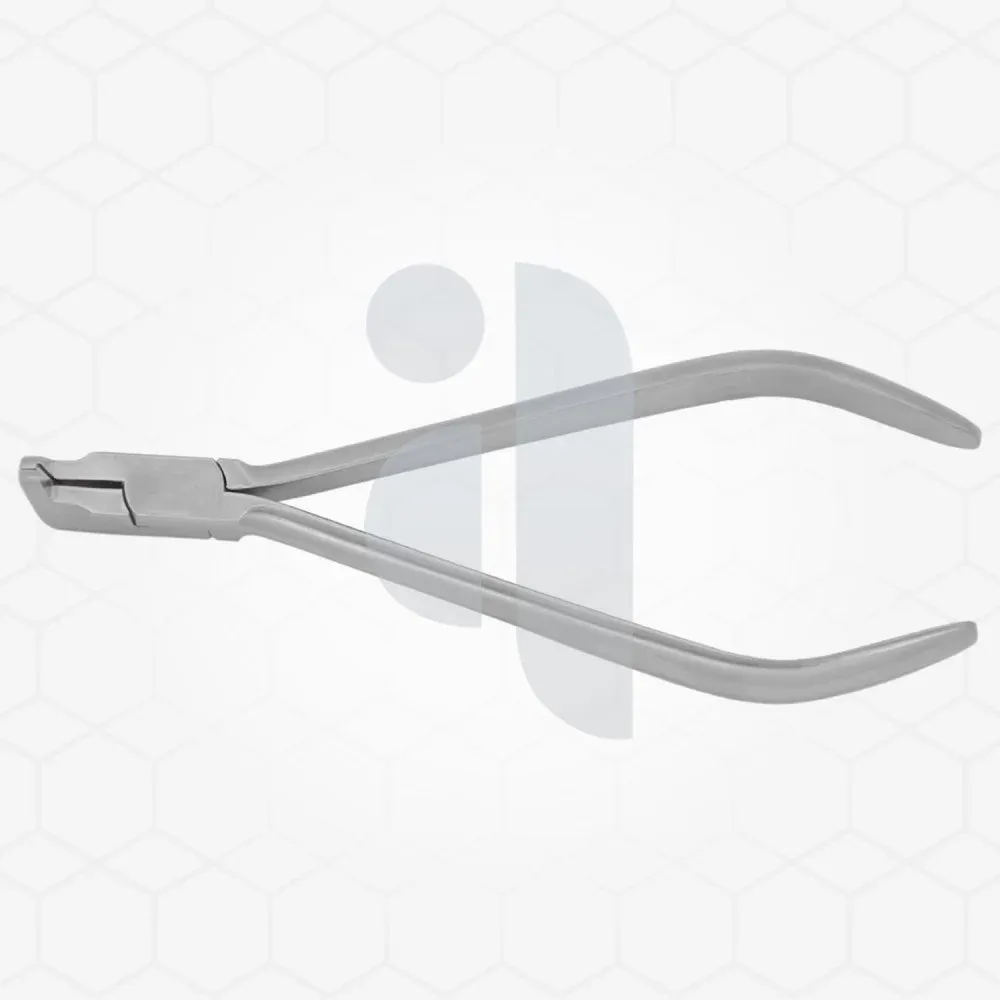

The precision of any surgical procedure often depends on the smallest details of the tools involved. One term that surgeons and operating room staff encounter frequently is the distal end of an instrument. Understanding this part helps professionals select the right tool, apply the correct technique, and achieve better outcomes for their patients.
At Azeemed Instruments, we design surgical tools with careful attention to every component. In this article, you will learn what the distal end means, why it matters, how it functions in common instruments like Kocher forceps, and what to look for when choosing quality tools for your practice.
What the Distal End Means in Surgical Terminology
In anatomy and instrument design, "distal" refers to the point farthest from the center or point of attachment. When applied to a surgical instrument, the distal end describes the working tip, the part that makes direct contact with tissue, sutures, or other materials during a procedure. This is the opposite of the proximal end, which is the part the surgeon holds or controls.
The design of this working tip determines how an instrument performs. A grasping tool needs a tip that holds firmly without causing trauma. A cutting tool needs a sharp, precise edge. Because this part carries out the actual task, its shape, texture, and material quality directly influence surgical accuracy.
Azeemed Instruments engineers each tip with the demands of real procedures in mind. We understand that surgeons rely on consistent, dependable performance, so we hold every tool to strict standards of craftsmanship and durability.
The Distal End of Kocher Forceps and Its Role
Kocher forceps are among the most widely used clamping instruments in surgery, and their function depends heavily on their working tip. The kocher forceps feature interlocking teeth at their tip, which allow them to grip tough tissue securely without slipping. This makes them ideal for holding dense structures such as fascia during a procedure.
The distal end of these forceps is where the toothed jaws meet. The design ensures a firm hold while the ratchet mechanism at the handle keeps the jaws locked in place. This combination gives surgeons reliable control, freeing their hands to focus on the next step of the operation.
When the tip of a Kocher forceps is poorly made, the teeth may fail to align, leading to slipping or tissue damage. Azeemed Instruments manufactures kocher forceps with precisely aligned jaws and consistent tension, so professionals can trust the grip every time they clamp.
Why the Quality of the Distal End Matters
The working tip endures the most stress during any procedure. It repeatedly grips, cuts, or clamps, and it is exposed to sterilization cycles that can wear down lesser materials over time. A weak or poorly finished tip can compromise safety and slow down an operation.
A well-crafted distal end maintains its shape and sharpness through countless uses. It resists corrosion, holds calibration, and delivers the same tactile feedback surgeons expect. This reliability reduces the risk of complications and supports smoother workflows in the operating room.
Azeemed Instruments builds every tool from premium surgical-grade stainless steel. We polish, test, and inspect each tip to confirm it meets the needs of demanding medical professionals. Our commitment to precision is not a marketing claim; it is built into every stage of our production process.
How to Evaluate the Distal End When Choosing Instruments
Selecting the right instrument begins with a close look at its working tip. Check that the jaws or blades align perfectly and close evenly along their length. Examine the finish for smoothness, since rough surfaces can harbor debris and complicate cleaning. Test the mechanism to confirm it moves without resistance or play.
Consider the specific task as well. A delicate procedure calls for a fine, atraumatic tip, while heavier work benefits from a sturdy, toothed design. Matching the distal end to the demands of the operation improves both efficiency and patient safety.
For example, a surgeon preparing for an abdominal procedure may keep several clamping instruments ready, each with a different tip design. By understanding how each working end behaves, the surgeon can reach for the exact tool the moment it is needed, without hesitation.
Trusting Azeemed Instruments for Precision Tools
Every instrument in the Azeemed Instruments range reflects our dedication to quality and consistency. We view the working tip as the heart of any tool, and we refuse to compromise on its performance. From forceps to scissors, our instruments are engineered to serve professionals who cannot afford uncertainty.
Our team combines skilled craftsmanship with rigorous quality control. We source durable materials, refine each tip with care, and test our tools against real clinical demands. This approach gives surgeons the confidence to focus on their patients rather than their equipment.
Final Thoughts
The working tip of a surgical instrument shapes the outcome of every procedure it touches. By understanding the role of this part, professionals can make informed choices and achieve reliable results. Whether you rely on Kocher forceps or a full set of specialized tools, the quality of the tip should always guide your decision.
Azeemed Instruments stands ready to support your work with precision-made instruments built to meet the highest standards. Explore our collection to find tools that deliver dependable performance where it matters most.























Sign in to leave a comment.