
Introduction
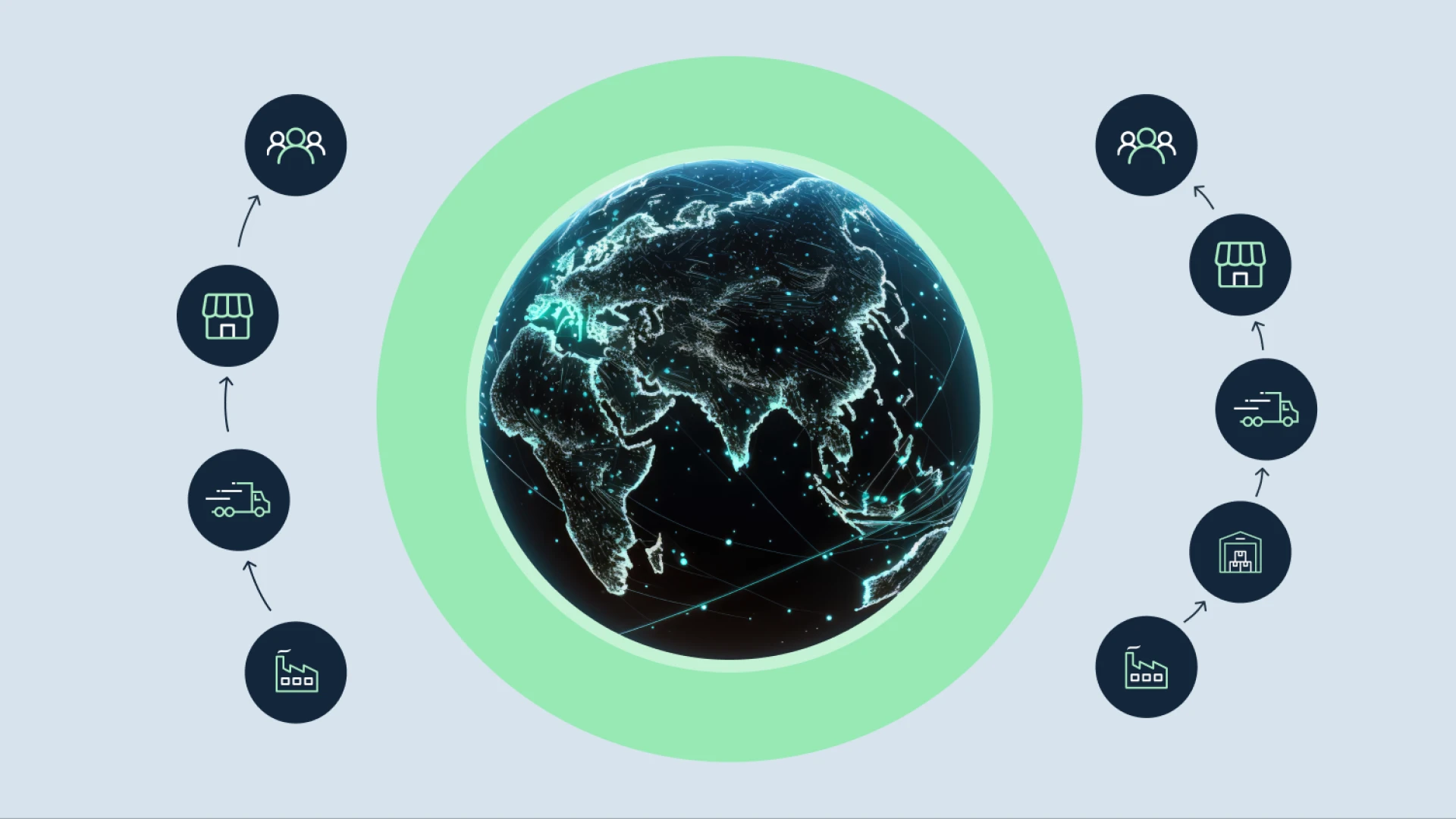
In the fast-paced world of global commerce, businesses are continually seeking ways to enhance their supply chain efficiency and effectiveness. One crucial aspect of achieving this goal is Supply Chain Network Design and Optimization. This article delves into the intricacies of this concept, exploring what it entails, its significance, and the mechanics behind its successful implementation.
The Fundamentals of Supply Chain Network Design
Definition and Importance
Supply Chain Network Design involves configuring the physical and informational flow of goods and services from origin to consumer. It\'s crucial for streamlining operations, cutting costs, and enhancing supply chain performance.
Key Components of Supply Chain Network Design
Key components include facility location, transportation modes, inventory levels, and distribution strategies. Each element must be optimized to ensure efficient and effective supply chain operations.
The Role of Optimization in Supply Chain Networks
What is Supply Chain Network Optimization?
Supply Chain Network Optimization employs mathematical models and algorithms to enhance decision-making processes within supply chains. It aims to minimize costs, improve service levels, and maximize overall supply chain efficiency.
Benefits of Optimization in Supply Chain Management
Optimization leads to reduced transportation and inventory costs, improved customer service levels, better resource utilization, and enhanced responsiveness to market changes. It enables businesses to achieve competitive advantages in the marketplace.
How Supply Chain Network Design and Optimization Work Together
The Interplay Between Design and Optimization
Supply Chain Network Design establishes the framework for the supply chain, determining factors like facility locations and distribution strategies. Optimization fine-tunes these elements using mathematical models and algorithms to minimize costs and maximize efficiency.
Case Studies Highlighting Successful Implementation
Case studies showcase how companies have integrated Supply Chain Network Design with Optimization to achieve significant improvements in their supply chain operations. By analyzing real-world examples, businesses can learn from successful implementations and tailor strategies to their specific needs.
Tools and Technologies for Supply Chain Network Design and Optimization
Software Solutions
Various software solutions are available for Supply Chain Network Design and Optimization, offering features such as network modeling, scenario analysis, and optimization algorithms. These tools enable businesses to simulate different scenarios and identify optimal supply chain configurations.
Data Analytics and Machine Learning
Data analytics and machine learning techniques play a crucial role in Supply Chain Network Design and Optimization. By analyzing large volumes of data, businesses can gain insights into supply chain performance, identify optimization opportunities, and predict future demand patterns. Machine learning algorithms can also adapt and optimize supply chain strategies in real-time based on changing market conditions and consumer behavior.
Challenges and Considerations in Implementing Supply Chain Network Design and Optimization
Common Challenges
Implementing Supply Chain Network Design and Optimization can face challenges such as:
Complexity: Supply chains can be complex with multiple stakeholders and variables.
Data Availability: Obtaining accurate and reliable data for modeling and analysis can be challenging.
Integration Issues: Integrating new technologies and processes into existing systems may encounter resistance or compatibility issues.
Cost Considerations: Implementing optimization solutions may require significant upfront investment.
Change Management: Resistance to change within the organization can hinder successful implementation.
Best Practices for Overcoming Challenges
To address these challenges, businesses can consider:
Investing in Technology: Adopting advanced software solutions and analytics tools can streamline processes and improve decision-making.
Collaboration and Communication: Foster collaboration among stakeholders and ensure clear communication throughout the implementation process.
Data Management: Establish robust data management practices to ensure the availability and quality of data for analysis.
Training and Education: Provide training and education to employees to facilitate the adoption of new technologies and processes.
Continuous Improvement: Implement a culture of continuous improvement, where processes and strategies are regularly evaluated and optimized.
Future Trends in Supply Chain Network Design and Optimization
As technology continues to advance, several trends are shaping the future of Supply Chain Network Design and Optimization:
Advanced Analytics: Increasing use of predictive analytics and AI-driven insights for real-time decision-making.
Blockchain Technology: Adoption of blockchain for improved transparency and traceability across supply chains.
Sustainability: Greater emphasis on sustainability and environmental considerations in supply chain design and optimization.
Automation and Robotics: Integration of automation and robotics to enhance efficiency and reduce manual labor.
Dynamic Network Design: Flexible and adaptable supply chain networks that can quickly respond to changing market conditions and consumer demands.
Conclusion
In conclusion, Supply Chain Network Design and Optimization are essential components for enhancing the efficiency, resilience, and competitiveness of supply chains. By understanding the fundamentals, addressing common challenges, and embracing emerging trends, businesses can position themselves for success in an increasingly complex and dynamic marketplace. As technology continues to evolve and consumer expectations evolve, the strategic implementation of Supply Chain Network Design and Optimization will remain critical for driving innovation and achieving sustainable growth.


























Sign in to leave a comment.