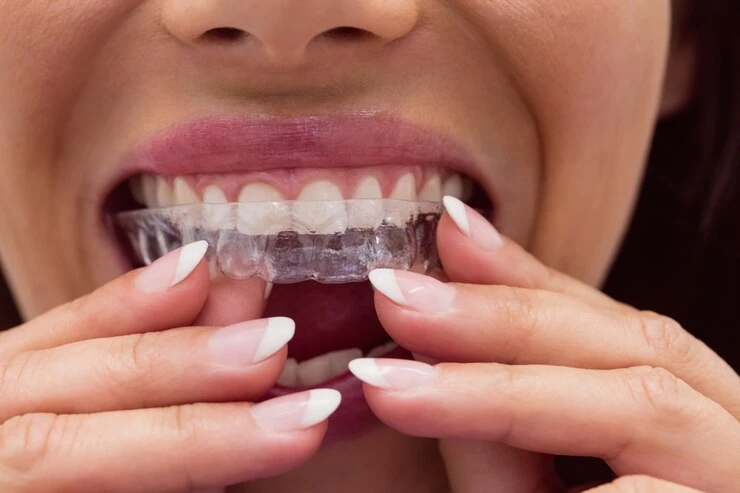

In the world of orthodontics, Invisalign has emerged as a popular alternative to traditional metal braces, offering a discreet and comfortable way to achieve a straighter smile. However, one of the most common questions prospective patients have is about the Invisalign cost. This cost isn't fixed and can vary widely based on several factors.
Understanding these components can help individuals make informed decisions about their orthodontic treatment.
The Complexity of the Case
One of the primary factors influencing the Invisalign cost is the complexity of the dental issues being addressed. Each patient presents unique dental challenges, ranging from mild misalignments to severe overcrowding or bite issues. For example, if a patient's teeth require minimal adjustments, the treatment plan may be straightforward, leading to lower costs. In contrast, more complex cases may necessitate a longer treatment duration, additional aligners, and more frequent check-ups with the orthodontist, all of which can increase the overall price.
Moreover, the severity of the alignment issues not only affects the number of aligners needed but also the length of treatment time. A straightforward case might take as little as six months, while more intricate cases can extend over two years. Consequently, the more aligners required and the longer the treatment duration, the higher the Invisalign cost will likely be.
Geographic Location
Another significant factor that can influence the Invisalign cost is the geographical location of the orthodontic practice. Prices can vary dramatically from one region to another. For example, urban areas with a higher cost of living often have higher dental fees compared to rural regions. This variance may be due to the overall demand for dental services in an area or the overhead costs associated with running a practice in a more expensive location.
Additionally, local competition plays a role in pricing. In areas where numerous orthodontists offer Invisalign, prices may be more competitive, potentially lowering costs for patients. Conversely, in locations where fewer options exist, practitioners may charge a premium for their services, which can directly affect the Invisalign cost.
The Expertise of the Provider
The qualifications and experience of the orthodontist can significantly impact the cost of Invisalign treatment. Highly experienced orthodontists who have been practising for many years often command higher fees. This is because their expertise can lead to more efficient treatment processes and, ultimately, better results.
Furthermore, orthodontists who are certified Invisalign providers may offer a different level of service and care, which can also affect pricing. Patients may find that choosing a provider with a solid track record and extensive experience can be a worthwhile investment, even if it comes at a higher initial cost. On the other hand, selecting a less experienced provider may result in lower fees but could carry risks of longer treatment times or suboptimal results, which could lead to additional costs down the line.
Insurance and Payment Plans
Insurance coverage is another factor that can affect the overall Invisalign cost for patients. Some dental insurance plans may provide partial coverage for orthodontic treatments, including Invisalign. Patients should check with their insurance providers to understand the specifics of their coverage, including what percentage of the treatment cost is covered and whether there are any limitations or restrictions.
Moreover, many orthodontists offer flexible payment plans to help patients manage the cost of treatment. These plans often allow patients to pay the total cost over time, making it more manageable. Understanding these options can play a crucial role in determining the financial feasibility of Invisalign treatment.
Additional Treatments and Retainers
When considering the Invisalign cost, it's essential to factor in any additional treatments that may be necessary. For instance, some patients may require preliminary procedures, such as dental extractions or gum treatments, before starting Invisalign. These additional steps can naturally add to the overall cost.
Furthermore, after completing the Invisalign treatment, many patients will need to wear retainers to maintain their newly aligned teeth. The cost of these retainers, whether fixed or removable, should also be considered when budgeting for the entire treatment process. Retainers are crucial for ensuring that teeth do not shift back to their original positions, making them an important part of the overall orthodontic experience, albeit an additional expense.
The Role of Technology
The technology used in Invisalign treatment also plays a significant role in determining the Invisalign cost. Advanced digital imaging and 3D modelling technology allow orthodontists to create precise treatment plans tailored to each patient. While this technology can improve the effectiveness and efficiency of treatment, it may also contribute to higher costs.
Additionally, the materials used in Invisalign aligners can vary, with some practices opting for higher-quality materials that may increase the overall price. Patients should inquire about the specific technologies and materials employed by their orthodontists to better understand how these factors influence the final cost.
Patient Compliance
Lastly, patient compliance with the treatment plan is a critical factor that can influence the Invisalign cost. For Invisalign to be effective, patients must wear their aligners for the recommended 20 to 22 hours a day. If patients do not follow this guideline, they may require additional aligners or extended treatment time, which can increase costs.
Orthodontists often emphasize the importance of adherence to the treatment plan to avoid unforeseen expenses. Therefore, patients should be prepared to fully commit to their treatment to ensure the best results and minimize the overall Invisalign cost.
In summary, the Invisalign cost is influenced by a myriad of factors, including the complexity of the case, geographic location, provider expertise, insurance coverage, additional treatments, technology, and patient compliance. By understanding these elements, individuals can navigate their orthodontic journey with clarity and make decisions that best suit their needs and financial situations.





























Sign in to leave a comment.