
Introduction:
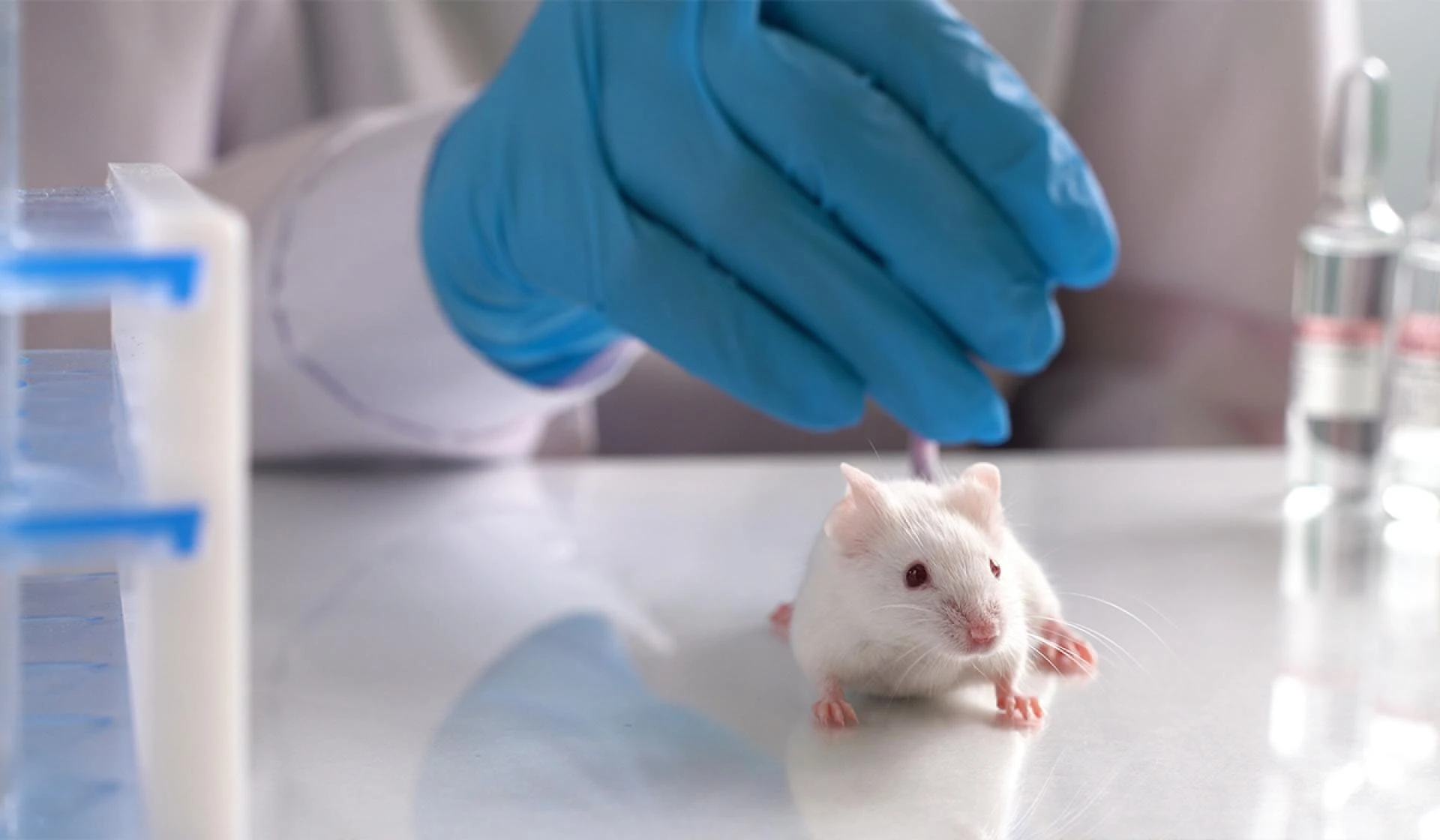
PDX mouse models, also known as patient-derived xenograft mouse models, have emerged as powerful tools in cancer research and drug development. These models involve the transplantation of human tumor tissues or cells into immunodeficient mice, allowing researchers to study the behavior of human tumors in a more clinically relevant context. However, the successful engraftment of human tumors in PDX mouse models relies on several crucial factors that must be carefully considered.
In this blog post, we will explore these factors and delve into the intricacies of establishing successful engraftment, ultimately enhancing our understanding of PDX models invaluable role in advancing cancer research.
Choosing the Appropriate Mouse Strain: One of the critical factors in successful engraftment is selecting the right mouse strain. Immunodeficient mice, such as NOD/SCID or NSG mice, are commonly used due to their compromised immune systems, allowing human tumors to thrive without rejection. Understanding the characteristics of different strains and their compatibility with specific tumor types is essential for achieving optimal engraftment rates.
Tumor Acquisition and Processing: The source and quality of the human tumor tissue or cells significantly influence engraftment success. Factors such as tumor type, stage, and genetic heterogeneity play a role. Surgical resection or biopsy samples are typically used, and careful handling and processing are necessary to preserve tumor viability. Techniques like mincing, enzymatic digestion, or mechanical disruption can be employed to prepare the tumor fragments or single-cell suspensions for transplantation.
Engraftment Techniques: Various engraftment techniques can be employed, including subcutaneous, orthotopic, or metastatic site injections. The choice of technique depends on the research goals and the tumor type being studied. Each technique has its own set of considerations, such as injection site selection, injection volume, and the use of additional scaffolds or matrices to support tumor growth.
Establishment of Suitable Experimental Conditions: Creating an environment conducive to tumor engraftment involves optimizing several experimental conditions. Factors such as mouse housing conditions, temperature, humidity, and nutrition are crucial to ensure the well-being of the mice and support tumor growth. Additionally, the use of immunosuppressive agents, like anti-rejection drugs, may be necessary to prevent graft rejection and promote successful engraftment.
Monitoring and Characterization of Engrafted Tumors: Regular monitoring and characterization of engrafted tumors are essential to assess their growth and stability. Techniques such as caliper measurements, imaging modalities (e.g., ultrasound, MRI), and histopathological analysis can provide valuable insights into tumor development and mimicry of the human disease. Longitudinal monitoring of engrafted tumors helps researchers understand their behavior over time and evaluate treatment responses.
Conclusion:
Patient-derived xenograft (PDX) mouse models have revolutionized cancer research by providing a platform to study human tumors in a preclinical setting. The successful engraftment of human tumors in PDX models relies on a careful consideration of multiple factors, including mouse strain selection, tumor acquisition and processing, engraftment techniques, establishment of suitable experimental conditions, and effective monitoring and characterization. By understanding and optimizing these factors, researchers can enhance the fidelity and clinical relevance of PDX models, ultimately accelerating the development of personalized cancer therapies. PDX mouse models hold immense potential in advancing our understanding of tumor biology and aiding in the discovery of novel treatment strategies, offering hope for improved outcomes in the fight against cancer.









Sign in to leave a comment.