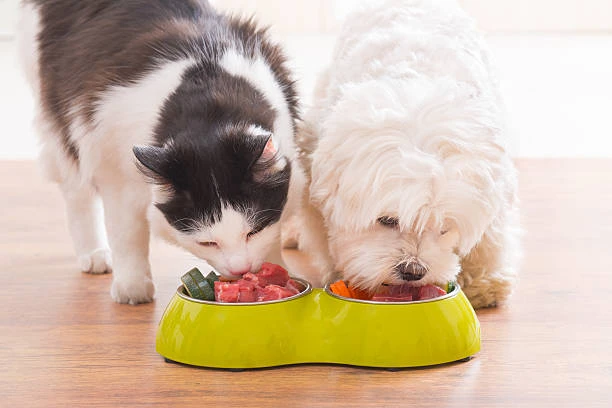

Cats, those enigmatic and graceful creatures that share our homes, are carnivores by nature. Their ancestors thrived on a diet primarily composed of meat, and despite thousands of years of domestication, their nutritional needs remain rooted in this ancestral diet. In recent years, the debate over the best way to meet these needs has intensified, with proponents of best raw cat food arguing that it offers a more biologically appropriate option. In this blog, we will delve into the nutritional requirements of cats and explore why raw food may indeed be the answer.
The Carnivorous Nature of Cats
Cats are obligate carnivores, meaning their bodies are designed to thrive on a diet almost exclusively made up of animal tissues. Unlike omnivores like dogs, cats lack the physiological capacity to efficiently digest plant matter. This fundamental biological fact makes it essential to provide them with a diet rich in animal-based nutrients.
Why Commercial Cat Food Falls Short?
The pet food industry has flourished over the years, offering a wide array of products catering to the dietary needs of cats. However, many commercial cat foods on the market today fall short of meeting these needs adequately. Here are some reasons why:
Fillers and Grains
Many commercial cat foods are loaded with fillers such as grains and plant-based ingredients. These fillers not only provide little nutritional value to cats but can also lead to digestive issues and allergies.
Lack of Essential Nutrients
Essential nutrients like taurine, arachidonic acid, and vitamin A are crucial for a cat's health. Some commercial cat foods may not contain these nutrients in sufficient quantities, leading to nutritional deficiencies.
Overprocessing
The high-temperature processing methods used in commercial pet food production can degrade the quality of the ingredients and reduce the bioavailability of nutrients.
The Raw Food Solution
Raw cat food, as the name suggests, consists of uncooked ingredients, typically meat, organs, and sometimes bones. This diet aims to mimic the natural prey that cats would consume in the wild, providing them with a nutritionally complete and balanced meal. Here are some compelling reasons why raw food is often considered the best option for cats:
High-Quality Protein
Raw cat food is rich in high-quality animal protein, which is essential for maintaining muscle mass, healthy skin, and a glossy coat. This protein source is more biologically appropriate for cats than the plant-based proteins often found in commercial cat food.
Nutrient Retention
Because raw food is not subjected to high-temperature processing, it retains more of its natural nutrients. This means that essential vitamins and minerals remain intact and readily available for absorption by your feline friend's body.
Optimal Taurine Levels
Taurine is an amino acid vital for cats' heart health and vision. Raw meat, especially muscle and organ meat, is an excellent source of taurine, ensuring that your cat gets the right amount.
Improved Digestibility
Raw food is easier for cats to digest, reducing the risk of gastrointestinal issues. This can be especially beneficial for cats with food sensitivities or allergies.
Dental Health
Feeding raw bones can help maintain your cat's dental health by naturally cleaning their teeth and gums. Chewing on bones can reduce the risk of dental issues that are common in cats.
Transitioning to a Raw Diet
If you're considering transitioning your cat to a raw food diet, it's essential to do so gradually. Sudden dietary changes can upset your cat's stomach. Start by mixing a small amount of raw food with their current diet and gradually increase the proportion of raw food over several weeks.
Consult with a Veterinarian
Before making any significant changes to your cat's diet, it's crucial to consult with a veterinarian. They can provide guidance on the best approach to transitioning your cat to raw food and ensure that their nutritional needs are met.
Conclusion:
Understanding the nutritional needs of your cat is essential for their overall health and well-being. Cats are obligate carnivores, and their bodies are adapted to thrive on a diet rich in animal-based nutrients. While commercial cat foods are convenient, they may not always meet these needs adequately. Ultimately, the best choice for your cat's nutrition depends on their individual needs and your preferences as a pet owner. It's worth exploring the benefits of raw cat food and considering it as an option to ensure that your feline companion receives the best possible nutrition.
As you strive to provide the best care for your cat, it's essential to remember that dietary needs vary among pets. In the same vein, dogs have unique nutritional requirements, and if you're looking for the best frozen dog food, consult with your veterinarian to find the most suitable options to keep your canine companion healthy and happy.







Sign in to leave a comment.