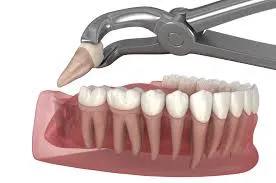

Wisdom tooth removal is one of the most common oral surgery procedures performed to protect long-term dental health. While many patients feel anxious about the procedure itself, one of the most important parts of the process is understanding what recovery looks like afterward. Knowing what to expect at each stage of healing helps patients feel more prepared and recover more comfortably with fewer complications.
Patients undergoing oral and maxillofacial surgery in Williamsville often ask how long it takes to fully heal after wisdom tooth removal. The answer depends on several factors, including the position of the teeth, whether the teeth are impacted, the complexity of the extraction, and how well post-surgical care instructions are followed. For patients receiving wisdom tooth extractions, understanding the normal recovery timeline can make the entire experience much easier to manage.
The First 24 Hours: Managing Bleeding and Initial Healing
The first day after surgery is focused on allowing blood clots to form properly at the extraction sites. Mild bleeding or oozing is completely normal during this period and usually slows within a few hours after the procedure.
Patients are typically advised to rest, avoid strenuous activity, and keep their head elevated while lying down. Ice packs applied to the outside of the face can help minimize swelling during these first several hours. Soft foods such as yogurt, applesauce, and smoothies are usually recommended, while hot drinks or foods that may disturb the healing area should be avoided. Following post-operative instructions carefully at this stage helps lay a healthy foundation for recovery.
Days Two to Three: Swelling Usually Peaks
Most patients notice the greatest swelling on the second and third days after surgery. Mild discomfort, jaw stiffness, and limited mouth opening are also common during this period.
This stage often causes concern for patients, but it is generally a normal part of healing. Continuing to use prescribed medications as directed and sticking to soft foods helps reduce irritation around the surgical area.
For more complex oral and maxillofacial surgery in Williamsville, swelling may remain slightly more noticeable depending on the position of impacted wisdom teeth and the extent of the procedure.
Days Four to Seven: Visible Improvement Begins
By the fourth day, many patients begin noticing gradual improvement. Swelling usually starts decreasing, discomfort becomes easier to manage, and normal daily activities slowly become more comfortable.
At this stage, patients can often begin adding softer solid foods back into their diet as tolerated. Gentle oral hygiene remains extremely important to keep the extraction area clean while avoiding aggressive rinsing near the surgical site.
Patients recovering from wisdom tooth extractions in Williamsville often find that the first week marks the biggest turning point toward feeling normal again.
Weeks Two to Four: Tissue Healing Continues
While visible discomfort improves significantly during the first week, the internal healing process continues for several additional weeks. The gum tissue gradually closes over the extraction site while deeper tissues continue to repair beneath the surface.
Most patients can fully resume exercise, regular eating habits, and normal routines during this period. However, full healing of the bone beneath the gums may continue for several months after surgery. Follow-up visits allow the surgeon to monitor healing progress and address any concerns if necessary.
Supporting a Smooth Recovery
Proper aftercare plays a major role in recovery speed. Staying hydrated, avoiding smoking, limiting strenuous activity, and following all care instructions help reduce the risk of complications such as dry socket or infection.
Choosing an experienced oral and maxillofacial surgery provider in Williamsville ensures patients receive professional surgical care and appropriate recovery guidance throughout the healing process.
Conclusion
Recovery after wisdom tooth surgery happens gradually, with each stage playing an important role in the healing process. While most discomfort improves significantly within the first week, complete healing continues over several weeks afterward. Patients undergoing wisdom tooth extractions in Williamsville can feel more confident knowing that proper aftercare and patience lead to a smoother recovery and better long-term oral health.




























Sign in to leave a comment.