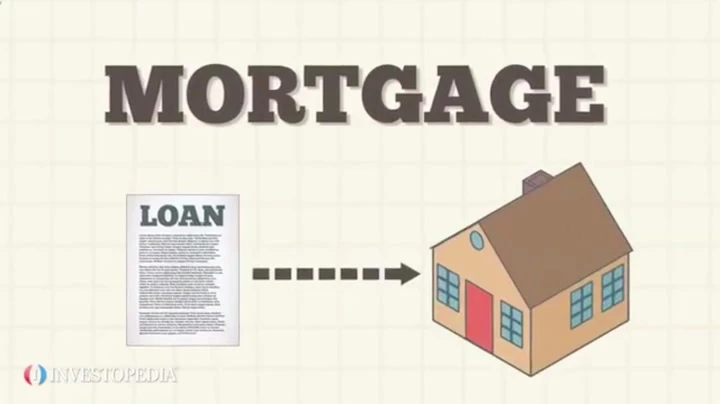

Buying a home is one of the most significant financial decisions a person can make. Whether you are a first-time homebuyer or an experienced real estate investor, securing the right financing is crucial. This is where a mortgage lender plays a vital role in helping you achieve homeownership.
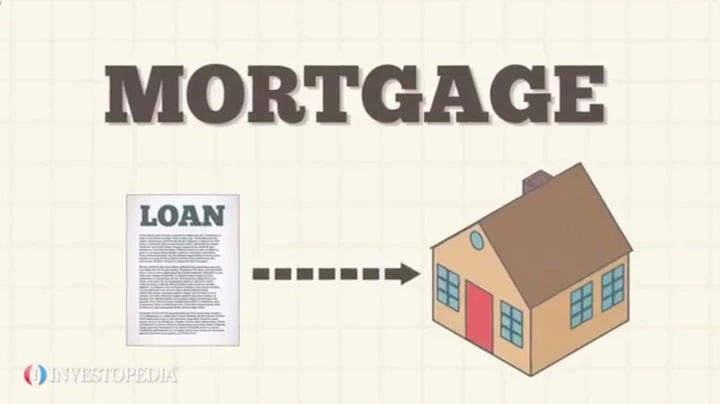
Who is a Mortgage Lender?
A mortgage lender is a financial institution or individual that provides loans to borrowers for purchasing or refinancing a home. They offer various loan products, including fixed-rate mortgages, adjustable-rate mortgages, FHA loans, VA loans, and jumbo loans, tailored to meet the needs of different borrowers.
The Role of a Mortgage Lender
A mortgage lender evaluates a borrower's financial profile, including credit score, income, employment history, and debt-to-income ratio, to determine their eligibility for a loan. They assess the risk associated with lending and establish terms such as interest rates, loan duration, and monthly payments. Additionally, they guide borrowers through the application and approval process, ensuring a smooth transaction.
How to Choose the Right Mortgage Lender
Selecting the right mortgage lender can significantly impact your home financing experience. Here are some key factors to consider:
- Interest Rates and Loan Terms – Compare rates from different lenders to find the best deal.
- Customer Service – A responsive and knowledgeable lender can simplify the loan process.
- Loan Options – Ensure the lender offers a variety of loan products to suit your financial situation.
- Reputation and Reviews – Research online reviews and testimonials to gauge the lender's credibility.
- Fees and Closing Costs – Ask about additional costs such as origination fees, appraisal fees, and other closing expenses.
The Mortgage Lending Process
- Pre-Approval – The lender evaluates your financial status and provides a pre-approval letter indicating the loan amount you qualify for.
- Loan Application – You submit a formal application with necessary documents, such as tax returns, pay stubs, and bank statements.
- Underwriting – The lender reviews your financial details and assesses the risk before approving the loan.
- Loan Approval and Closing – Once approved, you sign the loan agreement and complete the purchase of your home.
Final Thoughts
A mortgage lender plays a crucial role in helping individuals and families achieve homeownership. By understanding the mortgage process and carefully selecting the right lender, you can secure a loan that meets your financial goals. Whether you're buying your dream home or refinancing an existing property, partnering with a reliable mortgage lender is essential for a successful and stress-free experience.



























Sign in to leave a comment.