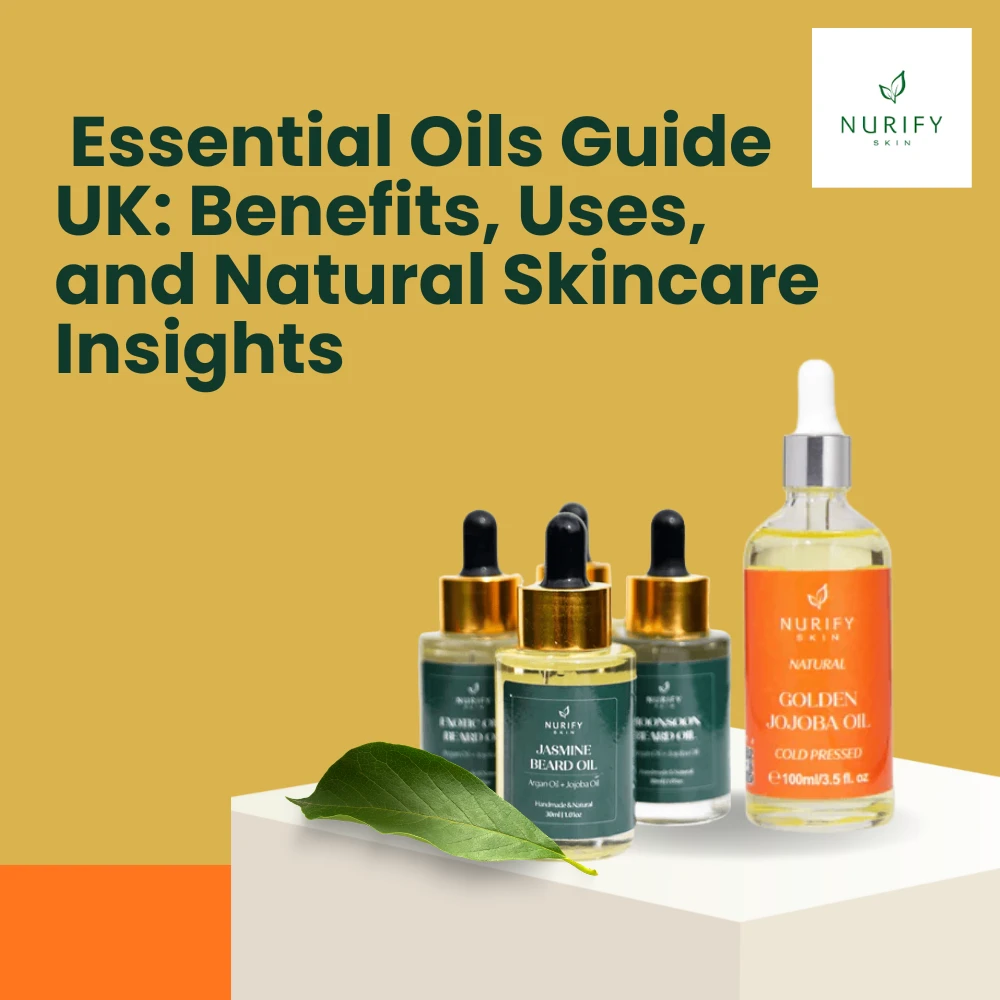
Natural skincare and holistic living have seen a steady rise across the UK, with more people paying close attention to ingredient lists and long-term skin health. Essential oils have become a familiar term in this shift toward cleaner, plant-based solutions, valued for their concentrated botanical properties and versatility. Derived from flowers, leaves, roots, and seeds, these oils are used across skincare, aromatherapy, and personal wellness routines. When chosen carefully and used correctly, they can complement a balanced lifestyle without replacing medical or dermatological advice.
In the UK market, consumers are increasingly educated, seeking transparency and sustainable sourcing rather than exaggerated promises. Understanding what these oils are, how they work, and where they fit into everyday routines helps users make informed choices that align with their skin needs and environmental values.
What Makes Plant-Based Oils So Widely Used?
At their core, essential oils are highly concentrated plant extracts obtained through methods such as steam distillation or cold pressing. Unlike carrier oils, they contain aromatic compounds that give plants their distinctive scent and natural protective properties. Historically, these oils were used in traditional herbal practices across Europe and Asia, long before modern cosmetics existed.
In contemporary skincare, they are often blended with carrier oils like golden jojoba oil or sweet almond oil to make them suitable for topical application,forming the foundation of many organic skincare products designed for daily use. UK consumers tend to appreciate this balanced approach, where potency is respected and safety comes first. The popularity of natural oils also aligns with the growing interest in vegan skincare, cruelty-free beauty, and eco-conscious sourcing.
Popular Oils and Their Everyday Applications
Different plant oils serve different purposes, which is why they are often combined rather than used alone. Tea tree oil, for example, is widely recognised in the UK for its purifying qualities and is commonly used in products designed for blemish-prone skin. Rosehip oil, on the other hand, is rich in essential fatty acids and vitamin A derivatives, making it popular in facial oils and night serums aimed at improving skin texture and tone.
Golden jojoba oil stands out because of its close similarity to the skin’s natural sebum. This makes it a preferred carrier oil, particularly for sensitive or combination skin types. Lavender, chamomile, eucalyptus, frankincense, and neroli are also frequently found in UK skincare formulations due to their soothing aromas and compatibility with a variety of skin concerns.
Rather than acting as miracle cures, these oils support the skin’s natural processes when formulated thoughtfully. This approach resonates well with users who prioritise long-term skin health over quick fixes.
Skincare Benefits Without Overpromising
One reason essential oils remain relevant is their adaptability. They are used in cleansers, moisturisers, facial oils, and even body treatments, depending on the formulation. When diluted properly, they may help enhance the sensory experience of skincare while offering functional support such as balancing oil production or refreshing tired skin.
For example, rosemary and peppermint oils are commonly included in scalp treatments to help create a fresh, invigorating sensation, while other floral and botanical oils are often used in formulations designed for dry or mature skin. In the UK’s varied climate—where skin can experience cold winters and humid summers—versatile skincare ingredients are especially valuable.
It is important to note that not all oils suit every skin type. Patch testing is widely recommended, especially for individuals with sensitive or reactive skin. This cautious approach is well understood among UK consumers, who tend to value education over exaggerated claims.
Aromatherapy and Everyday Wellbeing
Beyond skincare, essential oils play a role in aromatherapy, a practice that focuses on scent and sensory experience. Many UK households use oil diffusers as part of their evening routines, often choosing lavender for relaxation or citrus oils for a refreshing atmosphere.
Aromatherapy does not claim to cure conditions, but it can contribute to a calming environment that supports mental wellbeing. In busy urban areas across the UK, from London to Manchester, this simple practice fits well into modern lifestyles that prioritise balance and mindfulness.
Because scent is deeply personal, preferences vary widely. Some people gravitate toward woody notes like sandalwood and cedarwood, while others prefer lighter floral or citrus profiles. This flexibility is part of what keeps natural oils relevant across different age groups and lifestyles.
Responsible Usage and Safety Considerations
Using concentrated plant oils responsibly is essential. In the UK, reputable brands and formulators adhere to guidelines set by organisations such as the International Fragrance Association (IFRA). These standards help ensure that products are safe for regular use when applied as directed.
Dilution is a key principle. Most oils should never be applied directly to the skin without a carrier oil. Golden jojoba oil, grapeseed oil, and argon oil are commonly used bases because they are lightweight and well-tolerated. This practice reduces the risk of irritation while maintaining effectiveness.This balanced, safety-first mindset reflects the broader UK approach to wellness.
Sustainability and Ethical Sourcing in the UK Market
Another reason essential oils continue to gain trust is the growing emphasis on sustainability. UK consumers increasingly look for responsibly sourced ingredients, recyclable packaging, and transparent supply chains. Oils derived from plants like rose, sandalwood, or frankincense require careful harvesting, making ethical sourcing especially important.
Sustainable farming practices help protect biodiversity while ensuring consistent quality. Brands that invest in long-term relationships with growers often produce oils with better traceability and environmental impact. This aligns with the values of many UK shoppers, who are willing to invest in quality over quantity.
Choosing products that respect both the skin and the planet reflects a broader lifestyle choice rather than a passing trend.
How These Oils Fit into a Balanced Routine
Incorporating natural oils into daily routines does not require an overhaul. Many people in the UK start by using a single product, such as a facial oil containing rosehip oil or a cleanser infused with tea tree oil. Over time, they may explore additional options based on personal preference and skin response.
Consistency matters more than complexity. A simple routine that includes gentle cleansing, moisturising, and sun protection often provides better results than layering multiple products. Natural oils can support this routine when used thoughtfully, complementing rather than overwhelming the skin.
This minimalist philosophy has gained traction across the UK, especially among those seeking to reduce clutter and focus on essentials that genuinely work for them.
The Ongoing Appeal of Plant-Based Oils
The enduring interest in Essential Oils is rooted in their versatility, heritage, and adaptability to modern needs. They bridge traditional practices and contemporary skincare science, offering options that feel both familiar and relevant. As UK consumers continue to prioritise informed choices, transparency, and sustainability, these oils are likely to remain part of the conversation.
Rather than being viewed as a cure-all, they are best appreciated as supportive elements within a broader approach to skincare and well being. With responsible use and realistic expectations, plant-based oils can contribute to routines that are both effective and enjoyable.



























Sign in to leave a comment.