
Ever looked at the simple black print on a shipping carton and wondered how it’s applied so quickly and consistently? Or how thousands of identical product codes appear on packaging without smudging or fading halfway through a production run?
Behind many of those impressions sits a tool that rarely gets much attention: the rubber printing dies.
Rubber dies don’t attract much attention outside the printing floor. They don’t have the shine of foil stamping dies or the technical mystique of digital imaging systems. But they perform a quiet, essential job in countless printing operations, especially where durability and flexibility matter more than delicate detail.
Once you understand how they work, it becomes clear why they’ve remained relevant for so long.
A Material Built for Flexibility
Printing plates face a strange challenge. They must hold a crisp, raised image capable of transferring ink cleanly to the substrate. At the same time, they have to flex repeatedly as the press runs, sometimes hundreds of thousands of impressions without pause.
Rubber happens to handle that balance extremely well.
The material compresses slightly under pressure and rebounds immediately afterward. That resilience allows the plate to maintain contact with uneven or flexible surfaces while still delivering a consistent ink impression.
This becomes particularly useful in flexographic printing, where substrates aren’t always perfectly smooth. Corrugated board, plastic film, paper bags, and other packaging materials have subtle variations across their surfaces. A rigid plate might struggle there. Rubber adapts.
Where Rubber Dies Fit Into the Printing Process
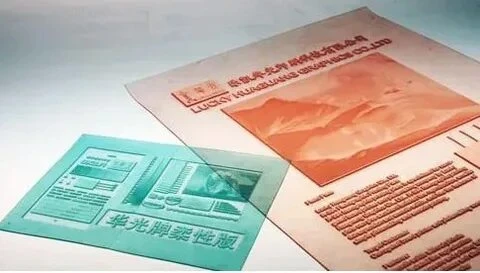
At its core, the concept is simple. A rubber die contains a raised version of the image or text that needs to be printed. Ink transfers onto the raised areas of the die, and the press then presses those areas against the substrate. Wherever the raised image touches, ink transfers.
Simple in theory, but it works remarkably well at scale. In flexographic presses, the rubber plate mounts around a cylinder. As the cylinder rotates, it picks up ink from the anilox roller and applies it to the moving material below. The process repeats continuously as the substrate passes through the press.
Speed becomes the defining characteristic here. Some presses run hundreds of feet of material per minute.
Under those conditions, the printing plate must remain stable, flexible, and durable all at once. Rubber provides that combination.
Handling Difficult Surfaces
One reason rubber dies continue to appear in modern printing is their ability to handle surfaces that challenge other plate materials.
Corrugated packaging provides a good example. The surface of corrugated board isn’t perfectly flat. Beneath the outer liner sits a fluted medium that creates subtle waves across the sheet.
A rigid plate might print unevenly across those variations. Some areas would receive too much pressure, others too little.
Rubber’s slight elasticity helps solve that problem. The material compresses enough to maintain consistent contact, ensuring the ink transfers evenly even when the surface beneath it isn’t perfectly smooth.
It’s not glamorous, but it works, and printers appreciate anything that keeps production running smoothly.
Ink Compatibility
Another strength of rubber dies lies in their compatibility with different ink systems.
Certain inks, especially those used in industrial marking or specialized packaging, contain solvents or chemicals that can degrade less resilient materials over time. Rubber formulations can be tailored to handle those environments more effectively.
That adaptability extends the range of jobs where rubber plates perform reliably.
Printing barcodes on shipping cartons, product codes on packaging films, identification marks on industrial materials, these tasks may not require elaborate artwork, but they do require consistency. Rubber dies provide exactly that.
Final Words
Most people never think about the plates behind the printed materials they encounter every day. The shipping box on a doorstep, the label on a plastic bag, the markings on industrial packaging, those impressions appear so routinely that the process behind them fades into the background.
But inside many presses producing those marks, rubber dies are doing the heavy lifting. They flex, compress, rebound, and repeat the process thousands of times without complaint. Being one of the best rubber platemaking manufacturers, PlateCrafters offers rubber printing plate, rubber stamping die, or even an old fashioned hand stamp. We can help you with your unique applications.

























Sign in to leave a comment.