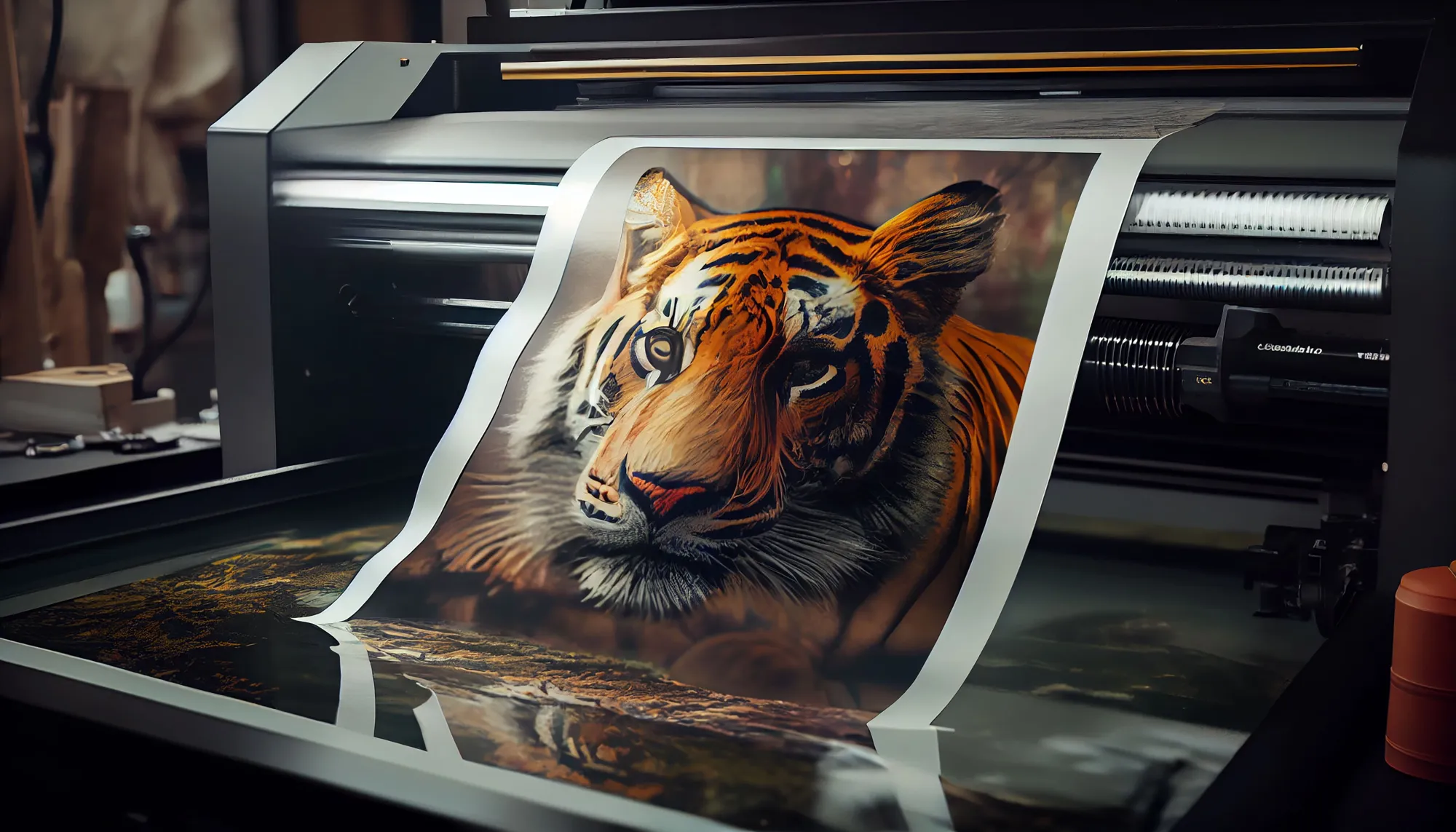

In the past, achieving the sharpness of offset printing on flexible substrates was a recurring logistical challenge, often limited by the physical constraints of photopolymer materials.
However, as consumer demand for photorealistic imagery on food and beverage packaging grows, the technical standards for image reproduction have shifted.
Achieving this level of clarity requires more than just high-quality ink; it demands a mechanical commitment to plate geometry and dot stability. To meet these rigorous market expectations, modern manufacturers are increasingly relying on the advanced capabilities of flexographic printing companies.
Key Takeaways
- Dot Stability: Transitioning from rounded dots to flat-top dots to prevent image gain and blurring.
- Ink Transfer Efficiency: Utilizing textured plate surfaces to ensure consistent ink laydown at high speeds.
- Waste Reduction: Minimizing setup time and material loss through improved plate durability and registration.
The Problem with "Squishy" Printing: Why Old Plates Failed
Oxygen's Role In The Rounded Dot Defect
In traditional plate making, the presence of oxygen during the UV curing process often caused the tops of the printing dots to become rounded, sometimes described as "bullet-shaped."
These rounded tops were structurally weak when the printing press was in use, which led to excessive dot gain and, therefore, colors that appeared muddy.
To address this issue, flexographic printing companies have implemented nitrogen-flushed or lamination-based methods to reduce oxygen exposure. This approach helps create dots with a flat surface.
Mechanical Resilience & Compression Management
In a high-speed production environment, the reliability of a plate is measured by its ability to maintain its shape after thousands of uses. In traditional printing, the problem of "squish" often occurred.
This happened when the pressure from the rollers caused the printed image to spread unevenly. In contrast, modern flexographic printing companies now use high-durometer polymers, which offer better resistance to compression.
This oversight ensures that the fine highlight dots do not collapse, maintaining a safe "buffer" between the ink and the non-image areas of the substrate, which keeps the final output crisp and clean.
Enhanced Surface Screening & Ink Laydown
Unlike traditional smooth dots, which can lead to inconsistent ink application, these textured surfaces function as mechanical reservoirs. They hold the ink until it's ready to be transferred to the film or paper.
Partnering with flexographic printing specialists enables brands to achieve richer solid ink densities and smoother gradients. This technical precision guarantees that branding stays vibrant and uniform across various products, spanning everything from snack bags to corrugated boxes.
Registration Accuracy & Plate Mounting Standards
Even a microscopic shift can lead to "halos" or blurred edges. Professional flexographic printing companies utilize laser-guided mounting systems and high-bond tapes to ensure that every plate is perfectly synchronized with the next.
This proactive stance prevents the registration shifts that often occur during long-duration runs, ensuring that the human infrastructure and the digital hardware operate with a high degree of accountability.
Conclusion
Moving beyond old-school, analog techniques and embracing a meticulously managed, high-definition digital workflow is essential to keep up with today's packaging demands. By ditching traditional dot patterns and using a more sophisticated ink transfer method, manufacturers are protecting their brand and gaining an advantage over their rivals.
This shift is vital, regardless of whether they're launching a new product for consumers or managing a large-scale industrial process.
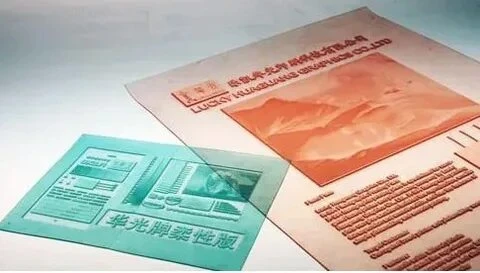
Expert control hinges on prioritizing industrial-grade plate engineering. The answer to balancing fast-paced production with intricate detail is to invest in high-performance flexographic printing plates, which rely on consistent, strong mechanical force.

























Sign in to leave a comment.