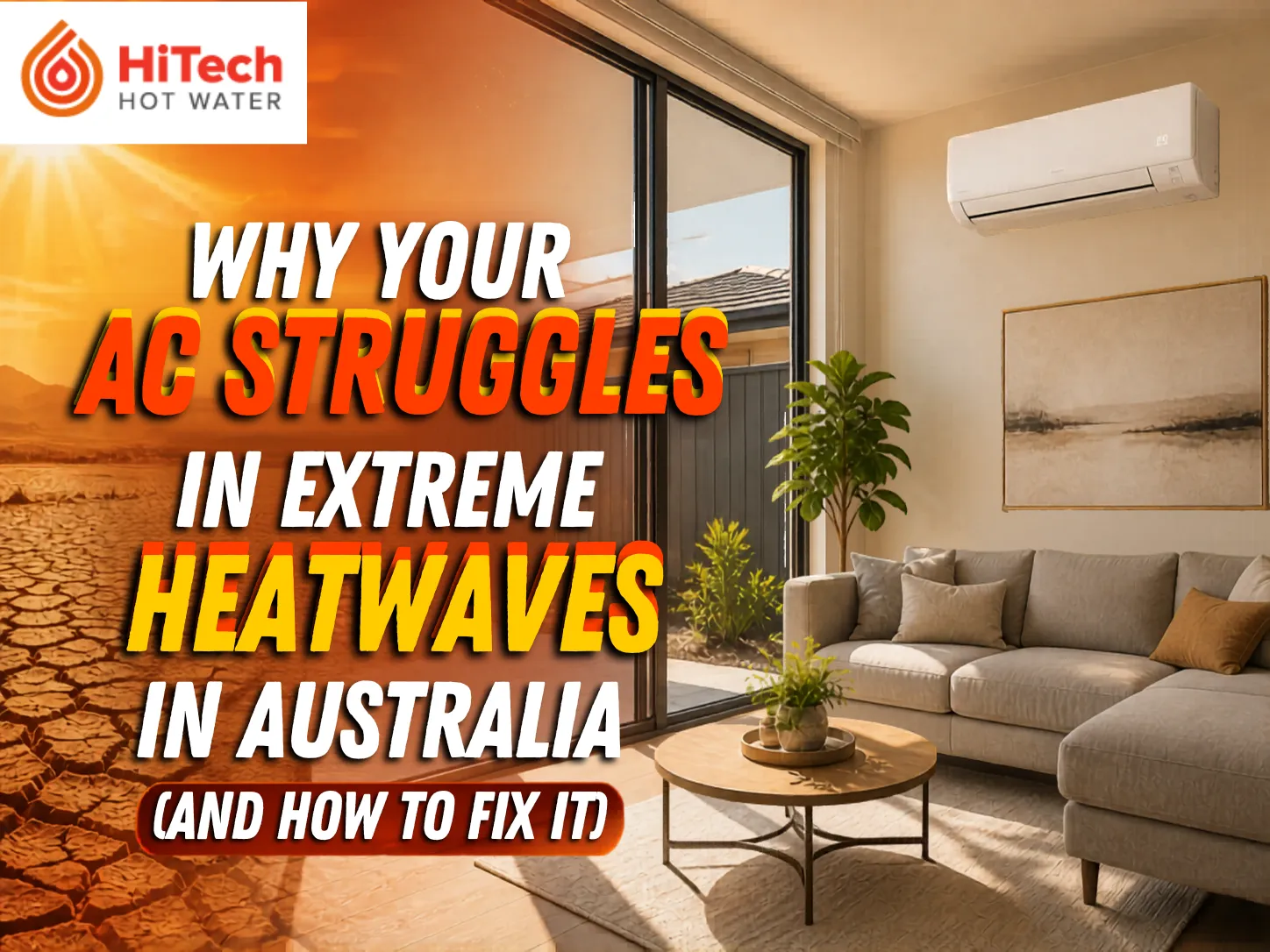

If you’ve ever felt your air conditioner just can’t keep up during a brutal Australian heatwave, you’re not alone. On days when temperatures push well past 35–40°C, even a good system can start to struggle.
The important thing to understand is this your AC isn’t necessarily “failing.” In many cases, it’s being pushed beyond the conditions it was designed for. The good news? There are practical ways to improve performance and stay comfortable even in extreme heat.
Why Air Conditioners Struggle in Heatwaves
Most systems used in air conditioner australia homes are designed to work efficiently within a certain temperature range. When outdoor temperatures soar, the system has to work much harder to remove heat from inside your home.
Here’s what’s happening behind the scenes:
- The outdoor unit can’t release heat efficiently
- The compressor runs longer cycles
- Indoor cooling slows down despite continuous operation
This is why you may notice your AC running non-stop but still not reaching the temperature you set.
1. Your System Is Undersized for Extreme Conditions
A system that works perfectly most of the year can fall short during heatwaves if it wasn’t sized for peak demand.
Signs of under sizing:
- AC runs constantly without reaching set temperature
- Some rooms remain warm
- Cooling feels weak during afternoon heat
This is where many homeowners start exploring options mentioned in a proper aircon guide, especially when understanding room size, insulation, and system capacity.
2. Poor Airflow and Dirty Filters
During heatwaves, airflow becomes even more critical. If your filters are clogged or vents are blocked, your system loses efficiency quickly.
Common issues include:
- Dust-clogged filters
- Blocked return air vents
- Furniture restricting airflow
Even a small restriction can reduce cooling output significantly when the system is already under pressure.
3. Heat Entering Your Home Faster Than It Can Be Removed
In extreme heat, your home absorbs warmth from multiple sources:
- Direct sunlight through windows
- Heat from roofs and walls
- Appliances generating internal heat
If more heat is entering than your AC can remove, the indoor temperature will keep rising.
Simple fixes like closing curtains, sealing gaps, and reducing indoor heat sources can make a noticeable difference.
4. Outdoor Unit Overheating
Your outdoor unit plays a crucial role, and during heatwaves, it’s exposed to intense conditions.
If it’s:
- Sitting in direct sunlight
- Surrounded by debris
- Lacking proper airflow
…it won’t be able to release heat effectively, which reduces overall cooling performance.
Keeping the outdoor unit shaded and clear can improve efficiency more than most people expect.
5. Running Costs Spike During Peak Demand
Heatwaves don’t just affect performance; they also increase energy usage. When your AC runs longer and harder, electricity bills can climb quickly.
This is where smarter energy management comes in. Many households are now pairing cooling systems with a solar battery system to offset peak usage and reduce reliance on the grid during extreme conditions.
6. Your System May Be Ageing
Older systems naturally lose efficiency over time. During normal weather, the difference may not be obvious, but heatwaves expose these weaknesses.
If your unit is:
- More than 8–10 years old
- Requiring frequent repairs
- Struggling every summer
…it might be time to consider options outlined in an air conditioner replacement plan rather than continuing to patch temporary issues.
How to Fix These Issues and Improve Cooling
You don’t always need a new system often; small improvements can restore performance.
Here’s what helps:
- Clean or replace air filters regularly
- Keep doors, windows, and curtains closed during peak heat
- Ensure outdoor unit has proper airflow and shade
- Set realistic temperatures (24–26°C works best)
- Run ceiling fans to support air circulation
If problems persist, it’s worth going through proper troubleshooting ac problems steps to identify deeper issues before they worsen.
Looking at the Bigger Picture of Home Efficiency
Cooling is just one part of your home’s energy use. Many Australian households are now improving overall efficiency by upgrading multiple systems together.
For example, combining efficient cooling with a Hot Water Heat Pump helps reduce total electricity demand, especially during high-usage seasons like summer and winter.
When systems work together, the result is not just better comfort, but more predictable energy use year-round.
Final Thoughts
Extreme heatwaves push every air conditioning system to its limits, but that doesn’t mean you have to settle for poor performance.
With the right setup, regular maintenance, and a few smart adjustments, your AC can handle even Australia’s toughest summer days far more effectively.
If your system struggles every year, it’s usually a sign that something can be improved and once it is, the difference in comfort is immediate.


























Sign in to leave a comment.