
We all encounter stress at different times in our lives since it is an unavoidable aspect of life. Our bodies react to stress in a variety of complicated ways, whether it comes from the strain of work deadlines, exams, or difficult life events. Examining the function of the autonomic nerve system, which is essential to understanding the science of stress, will help you better understand how our bodies respond to pressure and perceived dangers.
The Autonomic Nervous System
Numerous involuntary body processes, including heart rate, digestion, and breathing, are controlled by the autonomic nerve system (ANS). Without our conscious involvement, it works automatically to keep us balanced and adapt to environmental changes. The sympathetic nervous system and the parasympathetic nervous system are two more divisions of the ANS.
The Sympathetic Nervous System in Action
The sympathetic nervous system activates when a threat or stressful scenario is recognized. The fight or flight response is another name for this. The body then begins to release stress chemicals like adrenaline and cortisol to get us ready to either face the threat head-on or run away. We become more physically alert as a result of an increase in heart rate, blood pressure, fast breathing, and muscle tension.
The Origin of Fight or Flight in Evolution
Our evolutionary past is firmly ingrained with the fight-or-flight reflex. This stress reaction was essential for human survival in prehistoric times when predators or danger posed actual hazards to the species. It enabled our ancestors to respond swiftly to threats by either defending themselves or fleeing for safety.
The Parasympathetic Nervous System
The parasympathetic nervous system takes over to return the body to a state of balance when the perceived threat has subsided. The rest and digest mode is another name for this. The parasympathetic nervous system aids in digestion, muscle relaxation, and heart rate regulation, which helps the body recover from the stress response.
The Function of Prolonged Stress
Although the fight or flight reaction is necessary for coping with immediate challenges, long-term stress can be harmful to our health. The stressors of today are frequently persistent, psychological in character, such as work pressure, money concerns, or relationship stress, rather than physical threats. The body might experience health difficulties like anxiety, depression, cardiovascular problems, and reduced immunological function if it experiences prolonged high levels of stress.
Stress and Perception: Its Effect
It's interesting to note that our perception of risks might also set off the stress response. What one individual considers to be stressful could not have the same impact on another. How each of us reacts to stressors can vary depending on our unique characteristics, past experiences, and coping techniques.
Stress Management: Finding Balance
Finding the right balance between triggering the fight or flight response when it's necessary and encouraging relaxation and recuperation during less stressful times is key to managing stress successfully. The stress reaction can be controlled, and general wellbeing can be enhanced by methods including mindfulness, deep breathing exercises, physical activity, and reaching out for social support.
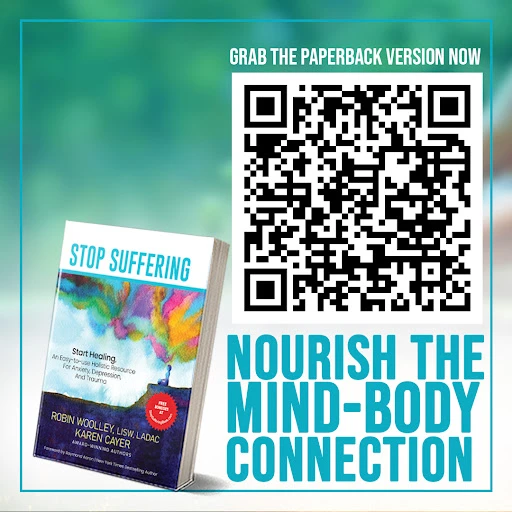
The book "Stop Suffering, Start Healing" by Robin Woolley and Karen Cayer offers helpful techniques and advice for people looking for healing from trauma, despair, and anxiety, even if it has nothing to do with the science of stress. The techniques offered in this game-changing book can be further enhanced by comprehending the science of stress and its effects on the autonomic nervous system. These methods can help readers build resilient coping skills, live happier, more fulfilling lives, and establish effective coping mechanisms.
Stress is a natural part of life, and the autonomic nerve system in our bodies has evolved to react to it in certain ways. Understanding the science of stress can help us better understand how our bodies react to it and how it might affect our overall health. We may effectively manage stress, fostering a sense of balance and well-being in our lives by becoming aware of our stress triggers and putting into practice good coping mechanisms.











Sign in to leave a comment.