
Ensuring a safe and healthy work environment is a priority for any laboratory, and the fume hood plays a vital role in achieving this goal. Traditional fume hoods expel harmful fumes and particles out of the lab and into the environment. However, the development of ductless fume hoods has revolutionized this process, providing an efficient, environmentally friendly solution. But how exactly does this innovative technology work? Let's delve into the science behind ductless fume hoods.
The Basics of a Ductless Fume Hood
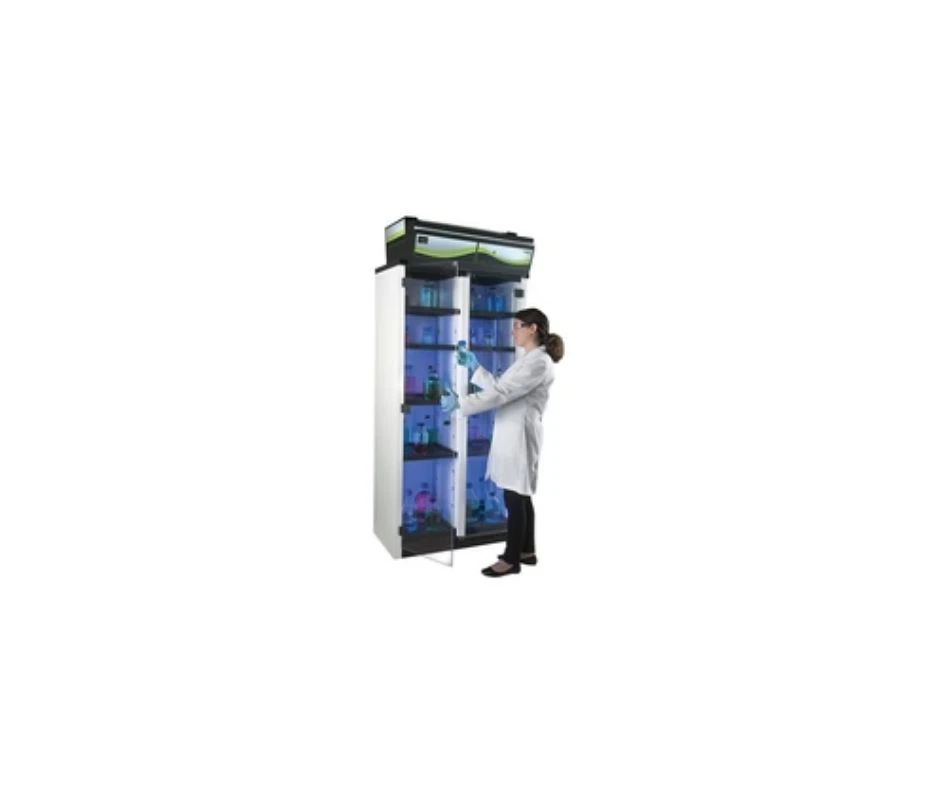
Ductless fume hoods, as their name suggests, operate without the need for ductwork. Instead, they use a filtration system to purify the air and then recirculate it back into the lab. This innovative design makes them versatile and adaptable, as they can be installed in virtually any location without the need for costly ductwork installation or modification.
The Filtration System: A Two-Step Process
The core of the ductless fume hood technology is its filtration system, which typically involves a two-step process.
The first step is the pre-filter. This captures larger particles such as dust and aerosols before they reach the main filter. Pre-filters are easily replaceable, ensuring the main filter's lifespan is maximized and the hood's efficiency is maintained.
The second step is the main filter, where the actual detoxification occurs. Ductless fume hoods use activated carbon filters, which are designed to capture a wide range of chemical fumes. Activated carbon has a vast internal network of microscopic pores, providing a large surface area for adsorption. As the contaminated air passes through the filter, the harmful chemicals are attracted to the carbon particles and are 'adsorbed', effectively removing them from the air.
Filter Types: Meeting Specific Lab Needs
Not all labs work with the same substances, and different chemicals require different types of activated carbon for effective filtration. Therefore, ductless fume hoods come with a variety of filters designed for specific types of chemicals - from organic solvents and acids to formaldehyde and ammonia. This ensures that each lab can have a fume hood tailored to its unique needs, offering optimal safety and efficiency.
Safety Measures: Ensuring Efficient Operation
While the filtration system is effective at capturing a broad range of chemicals, it's crucial to ensure the hood is working efficiently. Ductless fume hoods often come with a filter saturation alarm, which detects when the filter is nearing its capacity and alerts the user to replace it. Some advanced models also monitor the airflow and sound an alarm if it drops below a safe level.
In conclusion, the technology behind ductless fume hoods combines ingenious engineering with advanced safety measures, resulting in a system that effectively captures and removes harmful fumes, providing a safer and cleaner lab environment. This understanding of how ductless fume hoods work underscores their value and importance in modern laboratories. With their versatility, efficiency, and eco-friendliness, ductless fume hoods are undoubtedly a smart choice for labs looking to create a safer and more sustainable work environment.




























Sign in to leave a comment.