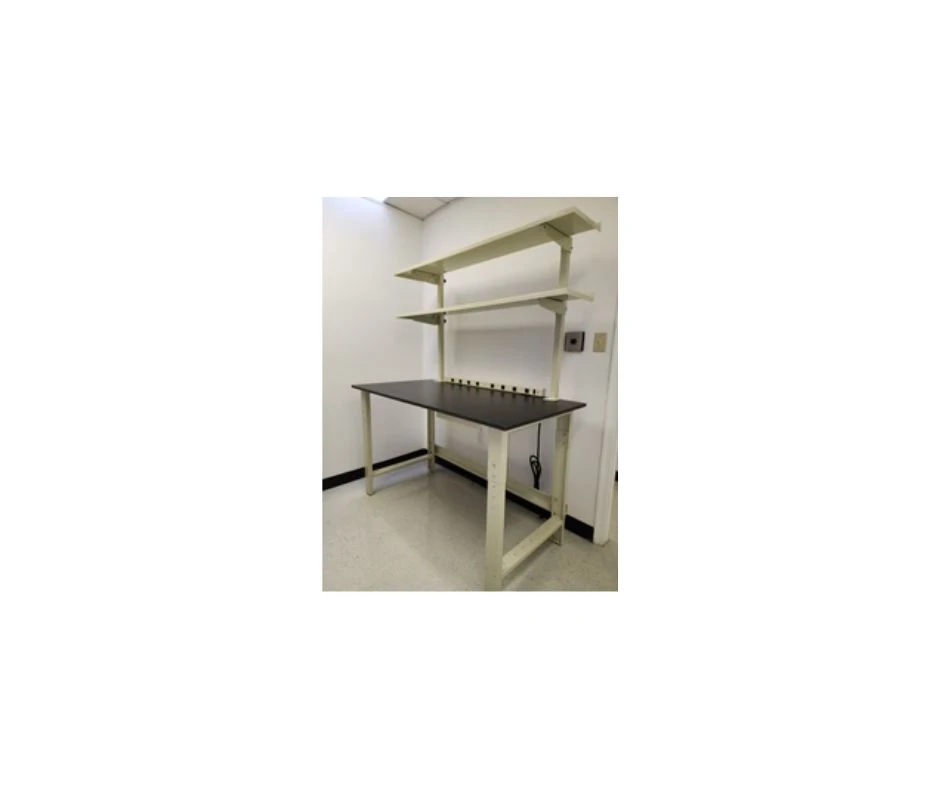

Laboratories operate with one expectation from their surfaces: consistent, reliable performance. In 2026, the best laboratory countertops do more than look durable. They actively protect against damage, support heavy equipment, and perform under constant exposure to heat, chemicals, and daily cleaning. Buyers now arrive with specific goals. They search with intent.
They want clarity, not persuasion. What they ask is simple: which surface will serve the lab for years without failure? But here’s what most people miss, have you ever stopped to think about how the daily environment quietly wears down the wrong surface choice? When performance becomes the deciding factor, the selection narrows fast.
Why Does Phenolic Resin Work So Well in Damp and Hygiene-Heavy Labs?
In labs where sanitation and constant cleaning matter most, phenolic resin offers substantial value. This surface does not absorb moisture, making it ideal in environments that handle biological samples or require routine sterilization. The non-porous surface resists bacteria and remains easy to disinfect. Even under regular steam cleaning and wiping, it does not crack or delaminate. Biology departments and diagnostic labs often prefer phenolic resins for use in temperature-controlled or humidity-intensive environments. It keeps its shape and strength while supporting routine activity and equipment.
Epoxy Resin Tops Perform Under High Stress on Select Workstations
Several workstations featured on the site include epoxy resin tops that are heat-resistant and chemically durable. These laboratory countertops withstand solvents, acids, and frequent cleaning without surface breakdown. The solid build supports weight, resists moisture, and requires no additional coatings. These resin surfaces offer reliability in demanding setups where flame exposure or heavy instruments are part of the daily workflow. For teams working in high-use chemical environments, epoxy resin on lab tables remains a practical and stable surface option.
Stainless Steel Surfaces Offer Sanitary Support Across Lab Furniture
In settings where sterility is non-negotiable, stainless steel surfaces on lab furniture help maintain high standards. These work surfaces resist rust and allow quick disinfection between procedures. While scratches may appear over time, they do not affect function or safety. Stainless steel performs well under temperature swings and repeated washing. For pharmaceutical, clinical, or food-related testing spaces, stainless steel work surfaces help ensure compliance without unnecessary upkeep. Their use across key lab equipment reflects their role in protecting both personnel and processes.
Align Your Material With the Lab’s Daily Demands
Choosing the wrong surface often leads to expensive corrections and safety issues. Buyers sometimes select a countertop based on appearance or price but forget to ask what the material will be exposed to each day. The innovative approach begins with three questions. What exposure does the surface endure? How often do staff clean or sanitize the space? What equipment will remain on the surface in the long term? When buyers align these needs with the material’s true capabilities, they avoid waste and improve the lab’s efficiency.
Match Material Type to Real Lab Application
Not every surface performs equally when placed under wheels, near heat sources, or in damp rooms. Some labs depend on mobile workstations that roll from department to department. Others require fixed-height tables to stay stable in zones with sensitive equipment. Epoxy resin surfaces work well on stationary workstations used for chemical processing. Stainless steel offers an edge when attached to furniture that moves between spaces requiring sterilization. Matching your surface material with the specific application keeps your lab running without surface-related setbacks.
Core Material Advantages
- Epoxy Resin Tops
- Resists high heat and chemical exposure.
- Supports equipment weight and daily use.
- Ideal on fixed workstations in testing spaces.
- Phenolic Resin
- Blocks moisture and microbial buildup.
- Supports frequent disinfection routines.
- Performs well in education and biology labs.
Myth Versus Fact
Myth: All countertops resist every kind of lab activity.
Fact: Some surfaces break down under moisture or aggressive chemicals.
Myth: Higher price guarantees better performance.
Fact: The right match between surface and task delivers the most value.
Myth: Surface scratches mean performance loss.
Fact: On stainless steel, scratches do not reduce hygiene or strength.
Checklist to Use Before You Choose
- Review daily exposure to heat, liquids, and corrosive agents.
- Confirm what lab equipment sits on the surface.
- Calculate cleaning frequency and disinfectant strength.
- Identify if humidity or sanitation plays a daily role.
- Match needs with phenolic, epoxy resin, or stainless steel features.
This checklist helps reduce selection mistakes and supports better material alignment from the start.
Answering a Careful Buyer’s Question
A precise buyer might ask, “Can these surfaces maintain quality after repeated use without costly upkeep?” The answer lies in how these products function within professional lab settings. The site features workstations and lab furniture designed to withstand routine pressure, frequent cleaning, and daily movement. The surfaces shown do not require additional layers or excessive maintenance to remain functional. Their use in performance-focused settings proves their value without overpromising. In the end, consistency carries more weight than a long list of features.
Final Words
In a lab, performance is not optional. Laboratory countertops play an active role in safety, precision, and stability. Epoxy resin is suitable for chemical and testing environments. Phenolic resin supports clean, damp workspaces. Stainless steel supports sterile workflows and maintains integrity even under wear. Today’s lab buyers compare with purpose. They look for reliability, longevity, and alignment with the task. When selected based on real lab needs, these surfaces support success every day. In 2026, performance wins, not promises.
FAQs
1. What is the best type of laboratory countertop for chemical resistance?
Epoxy resin countertops offer strong resistance to harsh chemicals and frequent exposure to solvents. Their solid, moisture-resistant build makes them ideal for labs handling corrosive substances or conducting high-heat testing.
2. Which laboratory countertop material works best in high-humidity labs?
Phenolic resin surfaces perform well in labs with constant moisture or sanitation needs. Their non-porous design helps prevent bacterial buildup and maintains stability in damp or disinfected environments.
3. Are laboratory countertops available with mobile workstations?
Yes, several lab tables and workstations include laboratory countertops designed for mobility and performance. These surfaces remain stable during movement and are suited for flexible lab layouts.
4. How do stainless steel laboratory countertops support sterile lab environments?
Stainless steel work surfaces resist corrosion, clean easily, and support sterilization routines. Even with surface wear, they remain safe and functional for labs that require contamination control.
5. What should I consider before choosing a laboratory countertop material?
Consider the daily lab activities, chemical exposure, cleaning frequency, equipment weight, and humidity levels. Matching these needs with the right surface ensures long-term durability and safety.
6. Do all laboratory countertops need special coatings to stay durable?
No, high-performance materials such as epoxy and phenolic resins do not require additional coatings. These surfaces are engineered to handle daily lab conditions without added layers or sealants.



























Sign in to leave a comment.