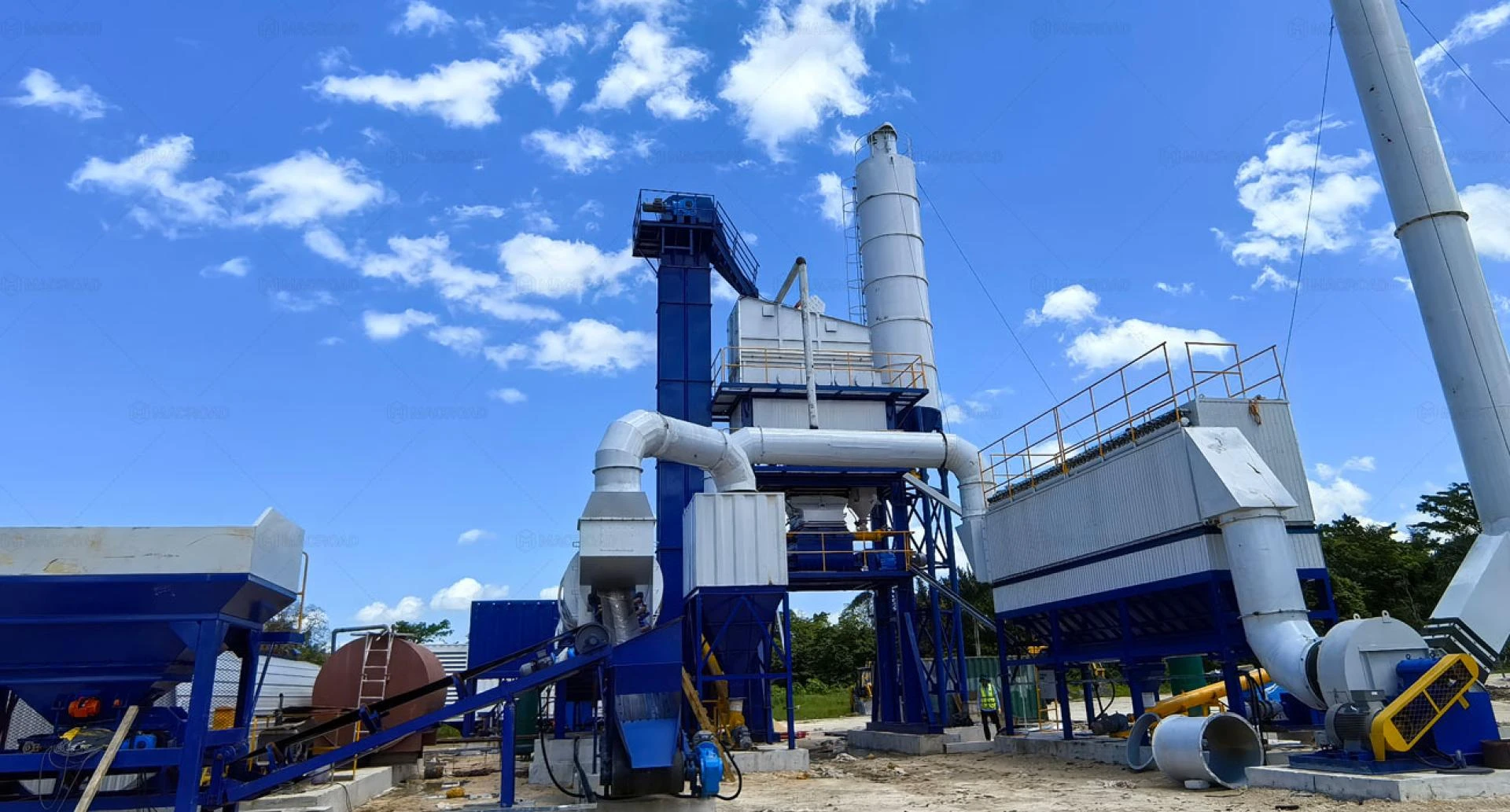

Variations in aggregate heating and material metering between batch mix plants and drum mix plants are pivotal in understanding how does an asphalt plant work. These differences influence the operational logic, production efficiency, and final asphalt quality. By examining these key aspects, stakeholders can make more informed decisions regarding plant selection and optimization based on project requirements.

Aggregate Heating Mechanisms
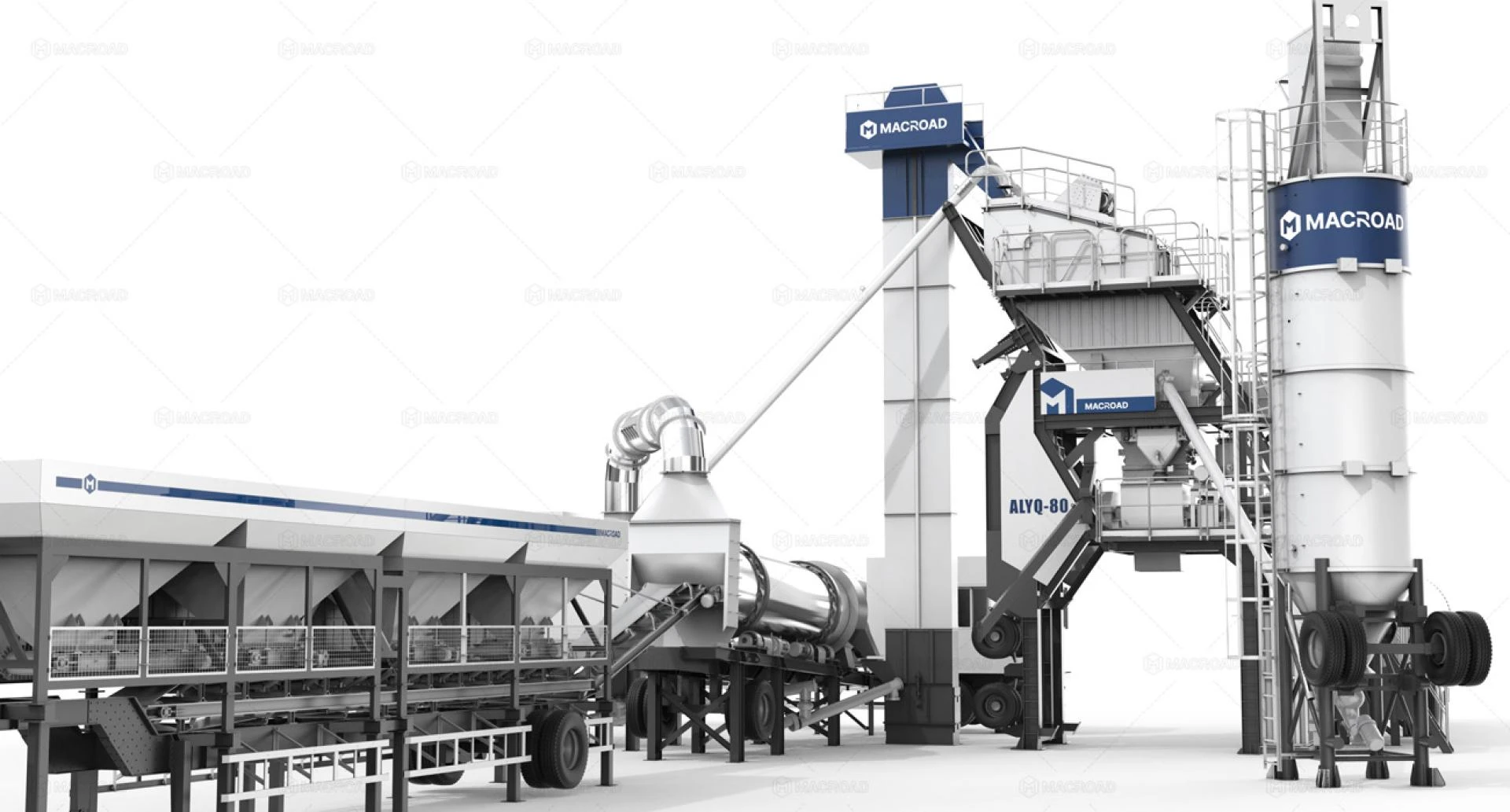
One of the primary difference between batch mix plant and drum mix plant lies in their aggregate heating mechanisms. In a batch mix plant, aggregates are heated separately in a designated drying drum before being mixed with the asphalt binder. This process involves carefully controlled heating to ensure that each batch meets specific temperature requirements. The heating is done in multiple stages, which allows for better control over aggregate properties but can extend production time.
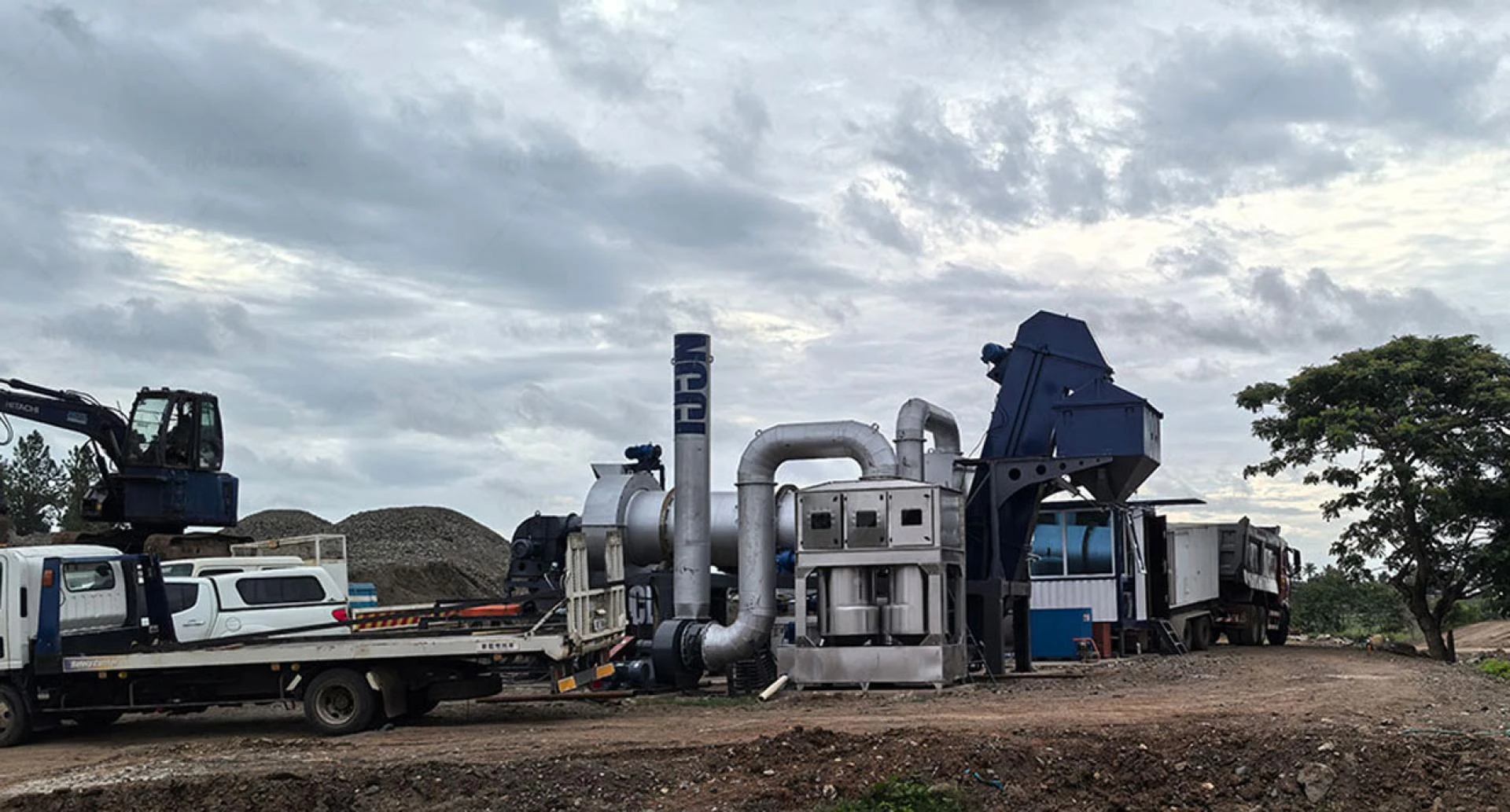
In contrast, a drum mix plant utilizes a continuous heating mechanism where aggregate materials are fed into a rotating drum that combines both heating and mixing functions. This design allows aggregates to be heated and mixed simultaneously in a continuous flow. Consequently, this method is generally faster and more efficient, leading to higher production rates. However, it may pose challenges in maintaining consistent quality control, especially when dealing with varying aggregate types.
Material Metering Systems
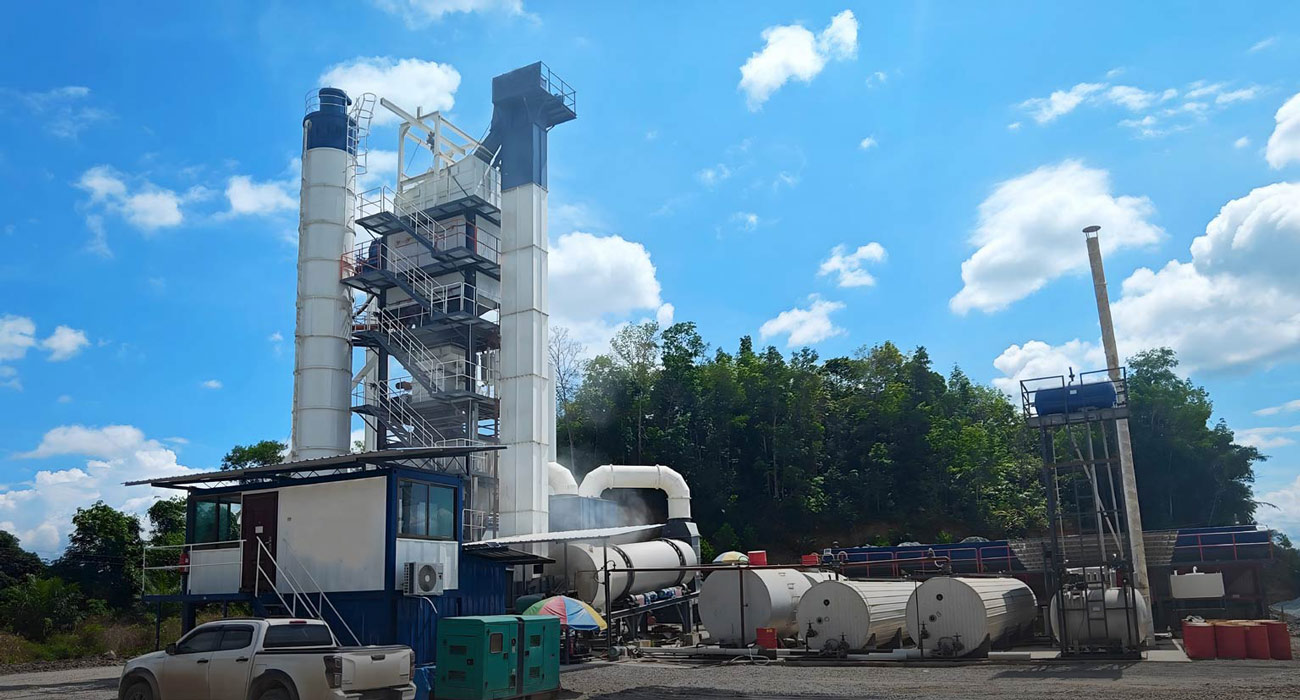
The metering of materials in batch mix plants and drum mix plants also showcases critical differences that affect the overall operation. In batch mix plants, material metering is handled in precise increments. Each component—including aggregates, binder, and additives—is measured separately before being mixed in a controlled environment. This meticulous process ensures uniformity and quality in the finished asphalt but requires meticulous calibration and time-efficient scheduling.
Conversely, drum mix plants rely on a continuous metering system that feeds materials into the drum in real time. This system uses a steady flow of aggregates, which are often weighed and accounted for at the entry point. While this allows for faster processing and less downtime, it can lead to variations in the mix if not monitored closely, especially when switching between different material types. This difference fundamentally shapes how asphalt plants operate, affecting both the speed and consistency of asphalt production.
Impact on Production Logic
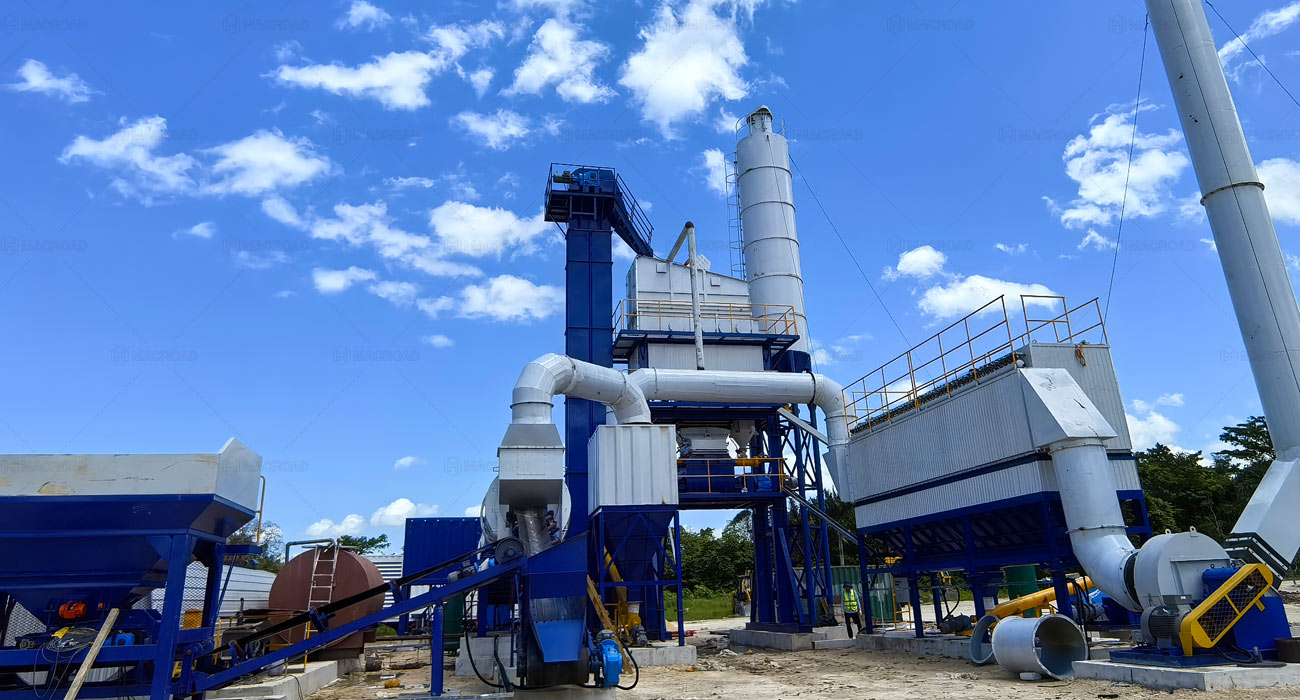
Understanding these variations in aggregate heating and metering is crucial for grasping the operational logic behind how does an asphalt plant work. The choice between batch mix and drum mix plants not only influences production speed but also impacts quality control and flexibility in operations. Batch mix plants, while slower, provide better quality assurance and adaptability to intricate project specifications. They are suitable for projects requiring high precision in asphalt characteristics.
On the other hand, drum mix plants offer efficiencies that cater to high-volume production scenarios where speed is paramount. The continuous operation model serves well for large-scale jobs but may require adjustments or monitoring systems to maintain quality across different batches. Understanding these dynamics helps contractors align their equipment choices with project demands, ultimately affecting cost and project timelines.
Conclusion
In conclusion, the variations in aggregate heating mechanisms and material metering systems between batch mix plants and drum mix plants play a significant role in determining how does an asphalt plant work. By analyzing these core differences, stakeholders can make informed choices that enhance production efficiency, quality, and adaptability to specific project needs. Recognizing these operational nuances enables a more effective approach to asphalt manufacturing, helping ensure successful project outcomes.

Sign in to leave a comment.