

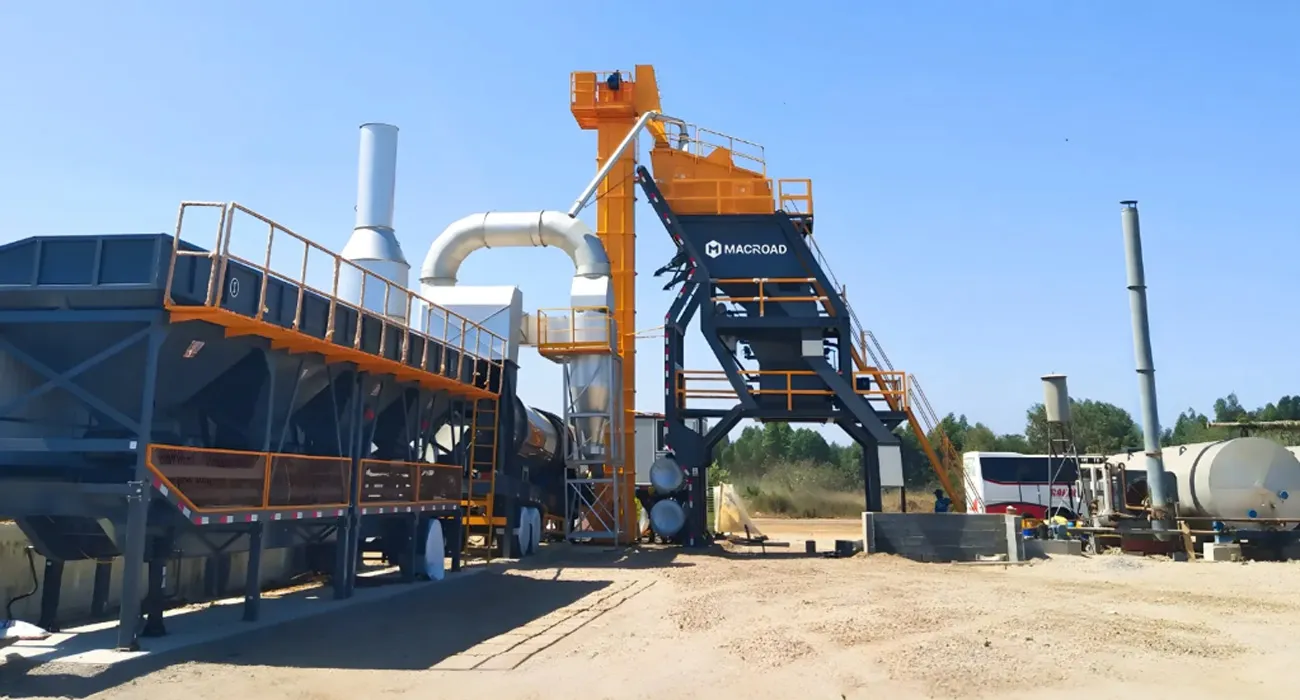
Real-time temperature monitoring at the discharge gate of asphalt drum mix plant operations fundamentally enhances final compaction density achieved by heavy-duty asphalt paver equipment during long-distance hauling cycles. Thermal retention from production through laydown determines material workability and pavement longevity. Engineering firms evaluating optimal temperature windows for screed operations achieve superior project outcomes through integrated thermal management that minimizes distress and waste.
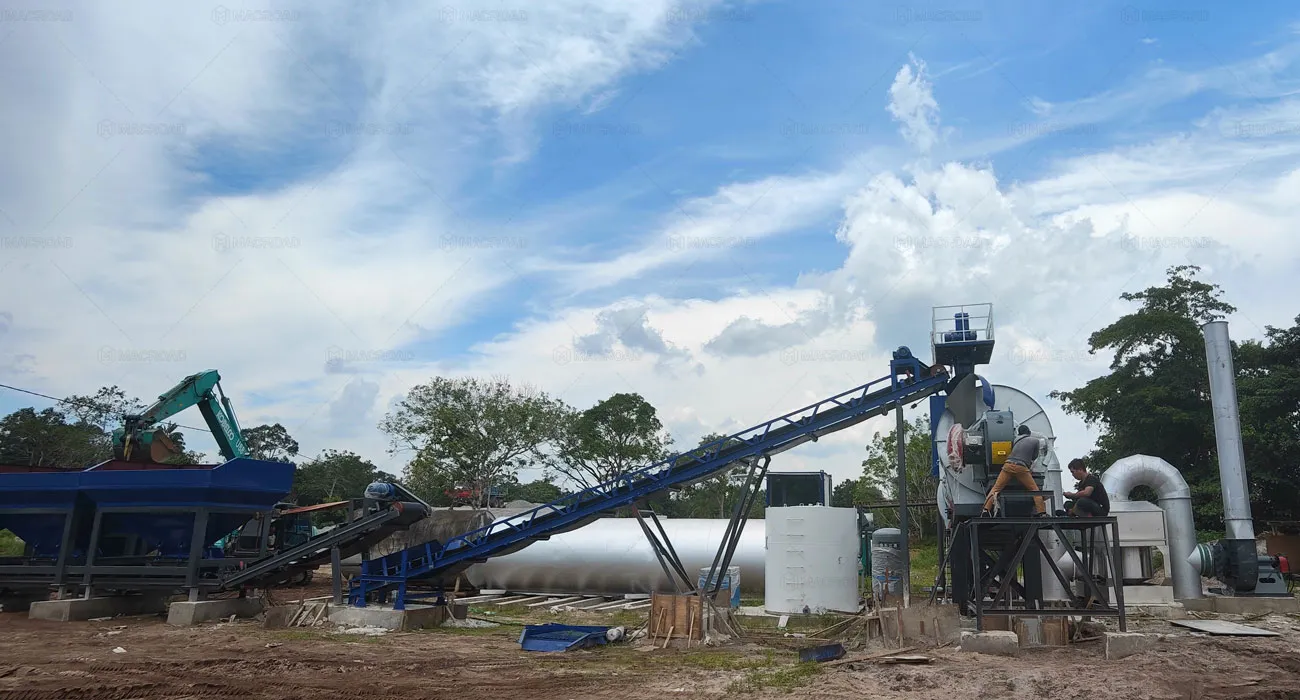
Discharge Precision Prevents Thermal Degradation
Standard asphalt drum mix plant rely on intermittent manual temperature readings generating 10-15°C variance between measurements. This sampling frequency misses thermal stratification developing within material curtains, producing discharge streams with surface zones exceeding 175°C while core regions remain below 150°C. Infrared sensor arrays distributed across drum output provide continuous monitoring within 0.5°C resolution, enabling immediate burner adjustment preventing oxidative damage.
Automated modulation responding to real-time feedback maintains discharge within 3°C of target regardless of aggregate moisture fluctuations. When haul distances extend beyond 60 minutes, this precision provides thermal margin preserving workable viscosity upon arrival. Specifically, asphalt paver operations receiving material at 155-160°C achieve uniform compaction versus 140-145°C deliveries requiring excessive roller effort generating aggregate fracture.
Fuel efficiency accompanies thermal consistency. Eliminating temperature overshoot through precise control reduces burner consumption by 8-12% compared to conservative over-firing intended to compensate for measurement uncertainty. This operational economy compounds across high-volume production cycles while preserving binder quality.

Haul Cycle Thermal Management
Long-distance transport over unimproved roads accelerates radiative and convective heat loss exponentially. Standard truck bodies experience 20-25°C depression within 45 minutes, pushing material below workable thresholds before paver arrival. Insulated trailer configurations with 100mm ceramic fiber lining and weather-sealed covers reduce loss to 8-12°C across 90-minute durations, extending viable haul radius significantly.
GPS-integrated dispatch coordination optimizes delivery sequencing. Real-time tracking of truck position and elapsed time since discharge enables predictive paver speed adjustment maintaining continuous material head without accumulation. This synchronization prevents truck queue formation where surface crusting and internal thermal gradients develop, generating segregation visible in nuclear gauge testing.
Ambient condition compensation proves essential for variable climates. Automated asphalt drum mix plant control increasing discharge temperature 5-10°C during cold or windy conditions provides thermal buffer offsetting accelerated cooling. This intelligence eliminates manual operator judgment errors that would otherwise produce inconsistent delivery temperatures.
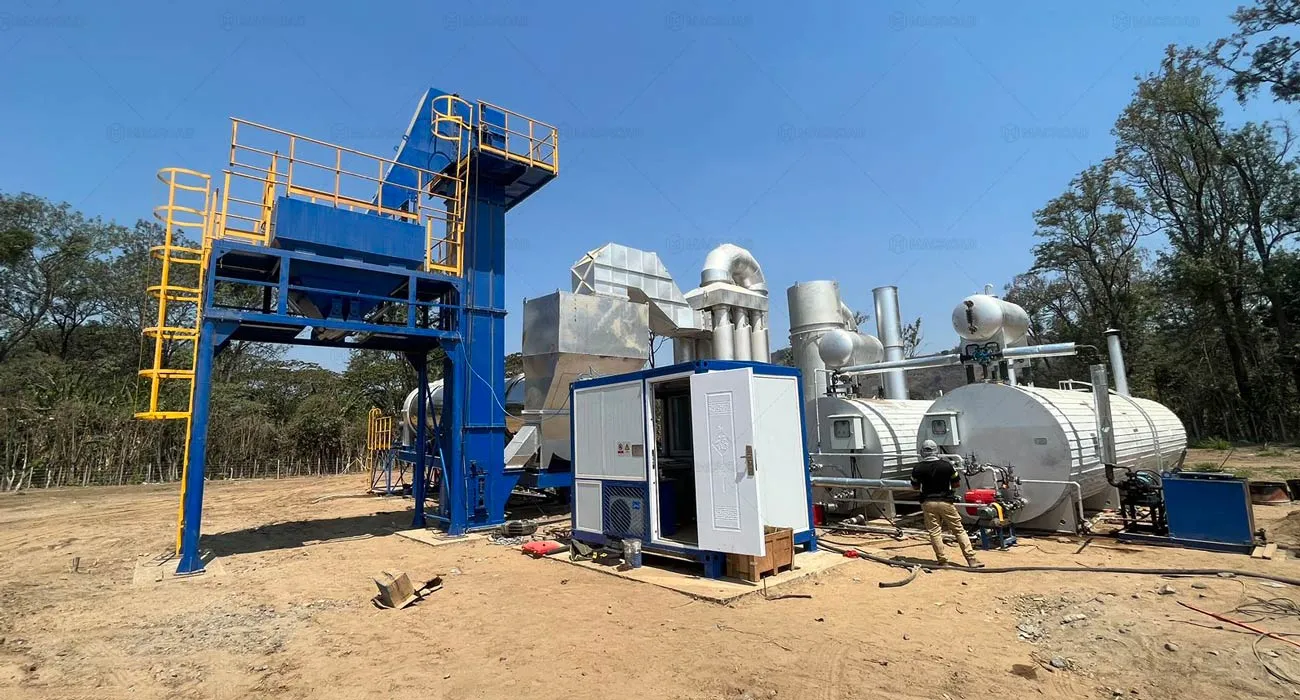
Screed Window Achievement
Heavy-duty asphalt paver screed heating systems compensate for surface cooling but cannot address core temperature depression. Electric or gas-fired screeds maintaining 140-150°C surface temperature require incoming material above 135°C minimum to prevent thermal shock and surface tearing. Discharge monitoring ensuring 160-165°C output provides 15-20°C margin accommodating transport loss while maintaining uniform workability.
Thermal segregation manifests as longitudinal streaking when material enters screed at variable temperatures. Roller compaction cannot homogenize these gradients, producing permeable zones that moisture infiltrates and freeze-thaw cycles destroy within 18-24 months. Continuous temperature monitoring from production through laydown eliminates this defect mechanism, ensuring density uniformity meeting specification requirements.
Core sampling correlation validates monitoring effectiveness. Projects with documented thermal consistency achieve 98% density compliance versus 85-92% for variable temperature deliveries. This precision reduces rejection events and remedial obligations that would destroy project economics and contractor reputation.

Conclusion
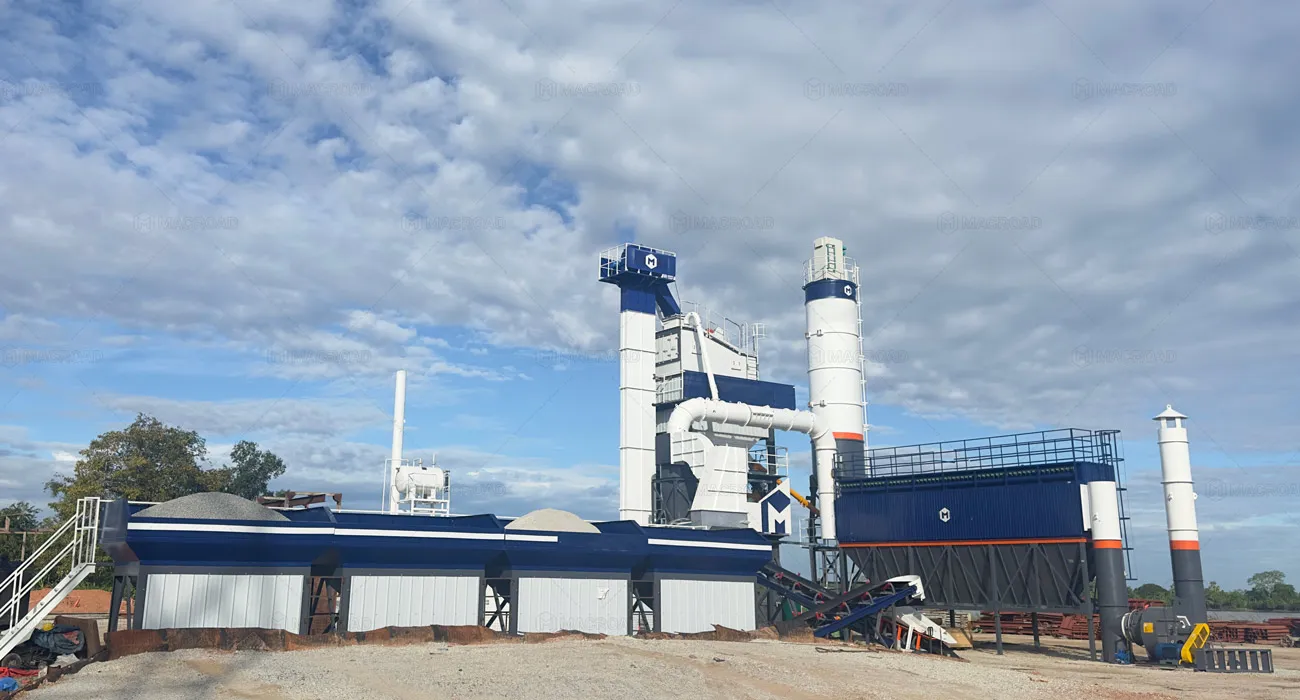
Integrating real-time temperature monitoring at asphalt drum mix plant discharge gates transforms long-distance haul operations from thermal risk to controlled parameter. Precise thermal retention ensuring optimal screed window achievement generates superior pavement density and durability. Consequently, engineering firms prioritizing integrated thermal management minimize premature distress and material waste, distinguishing quality-focused execution from cost-driven compromise in demanding infrastructure applications.
























Sign in to leave a comment.