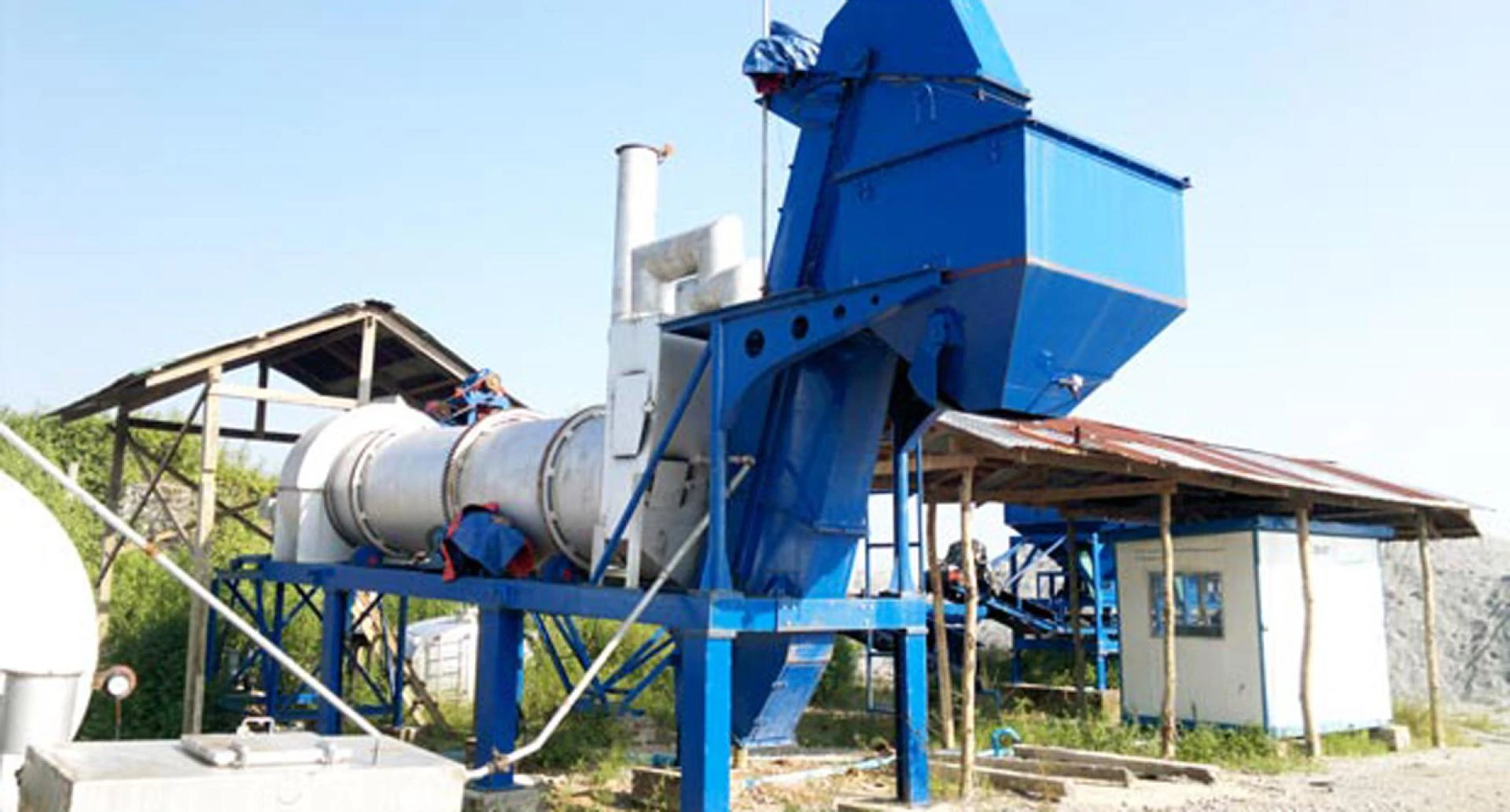

Investors evaluating mini asphalt plants for sale should base long-term return decisions on a lifecycle cost model that starts with mini hot mix plant price but centers on operational efficiency, uptime, and consumable consumption. Rather than treating purchase cost as the sole metric, sensible appraisal quantifies fuel, labor, spare parts, transport, and quality-loss risks over a defined project horizon. This article explains a practical three-step evaluation—normalize purchase and installation costs, model operating inputs and availability, and convert performance differentials into payback metrics—so investors can compare mini asphalt plants for sale on economic outcomes rather than headline price alone.

Normalize mini hot mix plant price and upfront deployment costs
First, normalize the mini hot mix plant price across offers. Many quotes omit installation, commissioning, customs, or basic spare-kit costs. Create a single “delivered ready” figure by adding transport to site, foundation or mounting work, electrical and fuel hookups, initial wearing parts kit, and first commissioning visit. This normalized capital outlay is the basis for return calculations.
Second, include mobilization and training expenses. Mini asphalt plants for sale are often bought for short-duration contracts; training and initial tuning time consume early production days. Translate expected ramp-up days into lost revenue at planned production rates to see the effective cost of bringing a plant to steady operation.
Third, amortize capital over the investor’s planned horizon—months of campaigns or years of asset reuse—and apply a discount or required rate of return. That produces an annual or per-ton fixed cost attributable to the mini hot mix plant price and deployment that you can directly compare with operational cost estimates.
Model operational efficiency and variable costs
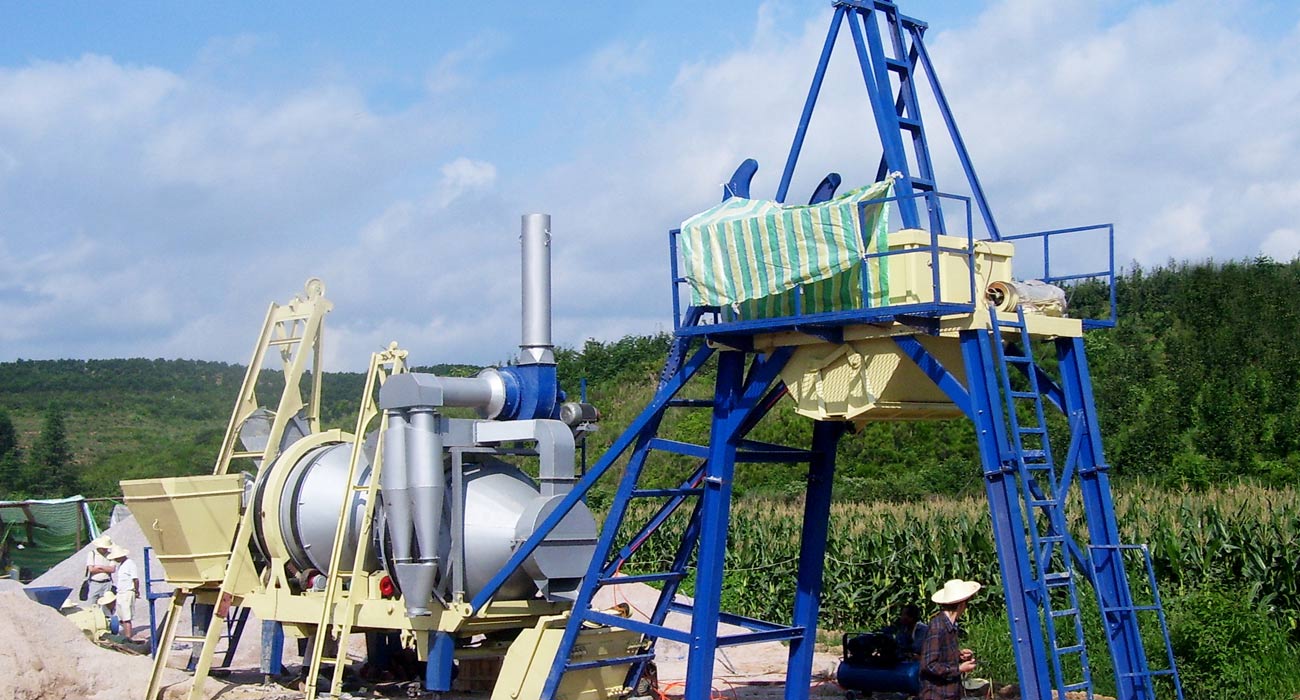
Next, model the plant’s operational profile: expected hourly throughput, fuel consumption per tonne, binder yield accuracy, and typical wearing-part replacement intervals. Small differences in thermal efficiency or metering accuracy have outsized effects on cumulative costs when scaled by tonnage produced. Use conservative assumptions for fuel and binder prices to stress-test returns.
Availability and downtime are critical. Estimate mean time between failures and mean time to repair based on supplier documentation and parts lead times. Downtime converts directly to lost tonnage and can rapidly erode returns for mini asphalt plants for sale with thin margins. Include logistic realities—haul distances and truck cycles—that affect effective utilization of plant capacity.
Also account for quality-related costs: off-spec batches, rework and warranty exposure. Plants with poorer mixing consistency or imprecise metering may show lower initial mini hot mix plant price but higher per-ton reclamation costs. Quantify an expected rework percentage and its unit cost to fold into the operating expense model.
Convert differences into payback and sensitivity analyses
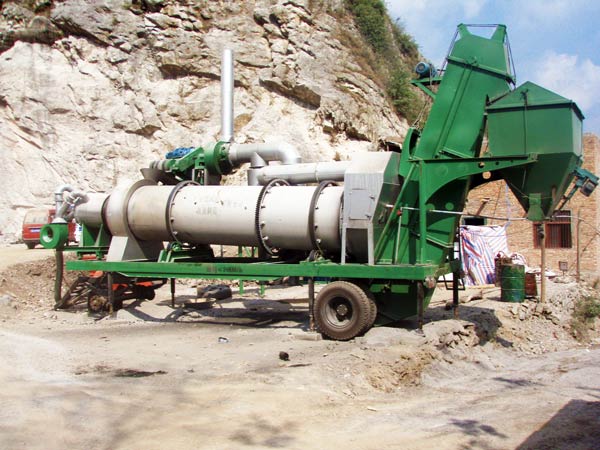
With normalized capital and operational cost streams, compute per-ton total cost and simple payback for each candidate mini asphalt plants for sale. Compare scenarios at different utilization rates—high campaign intensity versus sporadic job loads—to reveal which mini hot mix plant price points make sense for your planned usage.
Perform sensitivity analysis on the dominant variables: fuel price, throughput, and downtime. Investors should identify the break-even utilization at which a higher-priced but more efficient plant becomes cheaper per ton than a low-priced alternative. This clarifies when paying more upfront is justified by lower lifecycle cost.
Finally, incorporate residual value and redeployment potential. Mini asphalt plants for sale often retain resale or redeployment value; include conservative estimates of residual recovery to refine return metrics. Present results as per-ton cost ranges and payback periods, enabling investment decisions rooted in measurable operational economics rather than headline mini hot mix plant price contrasts.
Conclusion
Evaluating mini asphalt plants for sale requires normalizing mini hot mix plant price, modeling operational efficiency and downtime, and converting those factors into per-ton costs and payback analyses. This lifecycle approach reveals which purchase choices deliver durable returns under real operational conditions.



























Sign in to leave a comment.