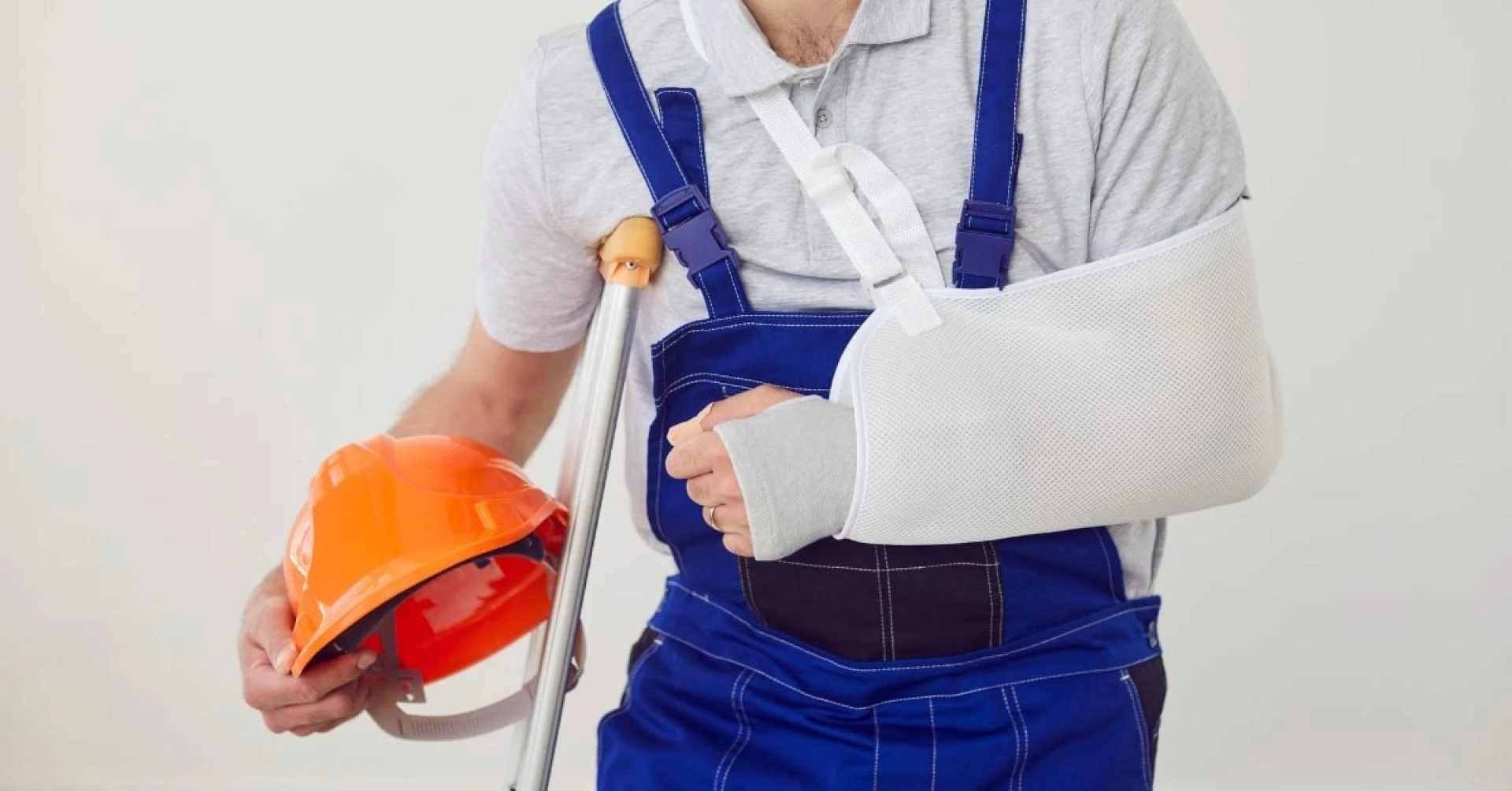

Working in a warehouse carries inherent risks - not just from heavy equipment but also from everyday hazards like slippery floors, moving vehicles, and manual handling. These environments are among the most accident-prone workplaces, and understanding your rights is vital if you’ve been injured.
1. The Scope of the Problem: Warehouse Injury Statistics
Warehouse workers face significant occupational hazards:
- According to the Health and Safety Executive (HSE), around 5% of UK warehouse workers are injured annually.
- In the transport and logistics sector, which includes warehousing:
- Slips, trips, and falls account for 45% of non-fatal injuries - making them the most common cause.
- Other frequent causes include falls from height (22%), manual handling (5%), and injuries from moving vehicles.
- HSE data shows that in the transport and storage industry, employers reported:
- 7,127 non-fatal injuries,
- Alongside 8,713 in manufacturing, and 3,464 in construction, highlighting warehouse work as a hotbed for incidents.
- In high-profile incidents, Amazon’s UK warehouses generated over 1,400 ambulance callouts in five years, underscoring pressing safety concerns. Many were for life-threatening conditions like strokes and seizures.
2. Common Accidents & Their Impact
Warehouse accident types include:
- Slip, trip, and fall injuries - often due to spilt liquids, cluttered aisles, or inadequate floor maintenance.
- Falls from height - linked to improper use of ladders or faulty elevated platforms.
- Manual handling mishaps - repeated lifting or improper posture leading to musculoskeletal injuries.
- Struck-by incidents involving vehicles or falling objects - forklift collisions, dropped items from shelving, or faulty equipment.
Typical injuries - and their compensation ranges-include:
- Back or spinal injuries: up to £322,060
- Burns: up to £83,550+
- Amputation or severe arm injuries: up to £104,370
- Severe fractures or leg injuries: £41,550–£55,590
- Eye injuries from lack of protection: £18,880–£214,520
- Head injuries from falling objects: up to £322,060
These figures highlight how seriously UK courts and guidelines treat warehouse-related injuries.
3. Types of Compensation: What You Can Claim
Compensation in warehouse accident claims generally includes:
- General damages: for pain, suffering, and loss of quality of life
- Special damages: covering tangible costs like:
- Medical bills and rehabilitation
- Lost wages or future earnings
- Travel to appointments
- Necessary care or equipment
Judicial College Guidelines provide bracketed awards - for instance:
- Moderate head injuries: £43,060–£90,720
- Moderate leg injuries: £17,960–£27,760
- Moderate back injuries: £27,760–£38,780
4. Filing a Warehouse Accident Claim: Steps to Follow
Steps to consider if you’ve been injured at work:
- Seek medical attention immediately - this protects your health and creates vital documentation.
- Gather evidence:
- Accident reports and medical records
- Photos of injuries and scenes
- Contact info of witnesses
- Payslips showing lost earnings
- Check if your injury is covered - common valid claim scenarios include slip-and-falls, forklift collisions, falls from heights, and manual handling incidents.
- Assess eligibility and pursue a claim under the warehouse accident claims protocol, typically involving injury compensation lawyers or regulated solicitors.
Frequently Asked Questions (FAQs)
Q1: Who is responsible for a warehouse injury?
If negligence (like poor maintenance or lack of training) is involved, employers are typically liable - especially under warehouse accident claims regulations.
Q2: How much can I receive?
Compensation depends on injury type and severity - examples range from tens of thousands to hundreds of thousands of pounds for severe cases such as spinal or eye damage.
Q3: How long do I have to claim?
The legal deadline is usually three years from the accident, though exceptions (e.g. minors or mental incapacity) may apply.
Conclusion
Warehouse environments carry persistent risks - from slips and improper lifting to heavy machinery and height-related hazards. The latest UK data portrays a worrying trend, with both non-fatal and life-threatening incidents making warehouse safety a serious concern. Fortunately, victims of these incidents can seek fair compensation through expertly managed warehouse accident claims, offering both financial support and a path to justice.
References:
https://ru1njured.co.uk/compensation-for-a-warehouse-accident-in-bradford/
https://www.thompsons.law/support/legal-guides/warehouse-accident-claims
https://www.accidentatworkclaimcare.org.uk/accident-at-work-claims/warehouse-accident-claims






























Sign in to leave a comment.