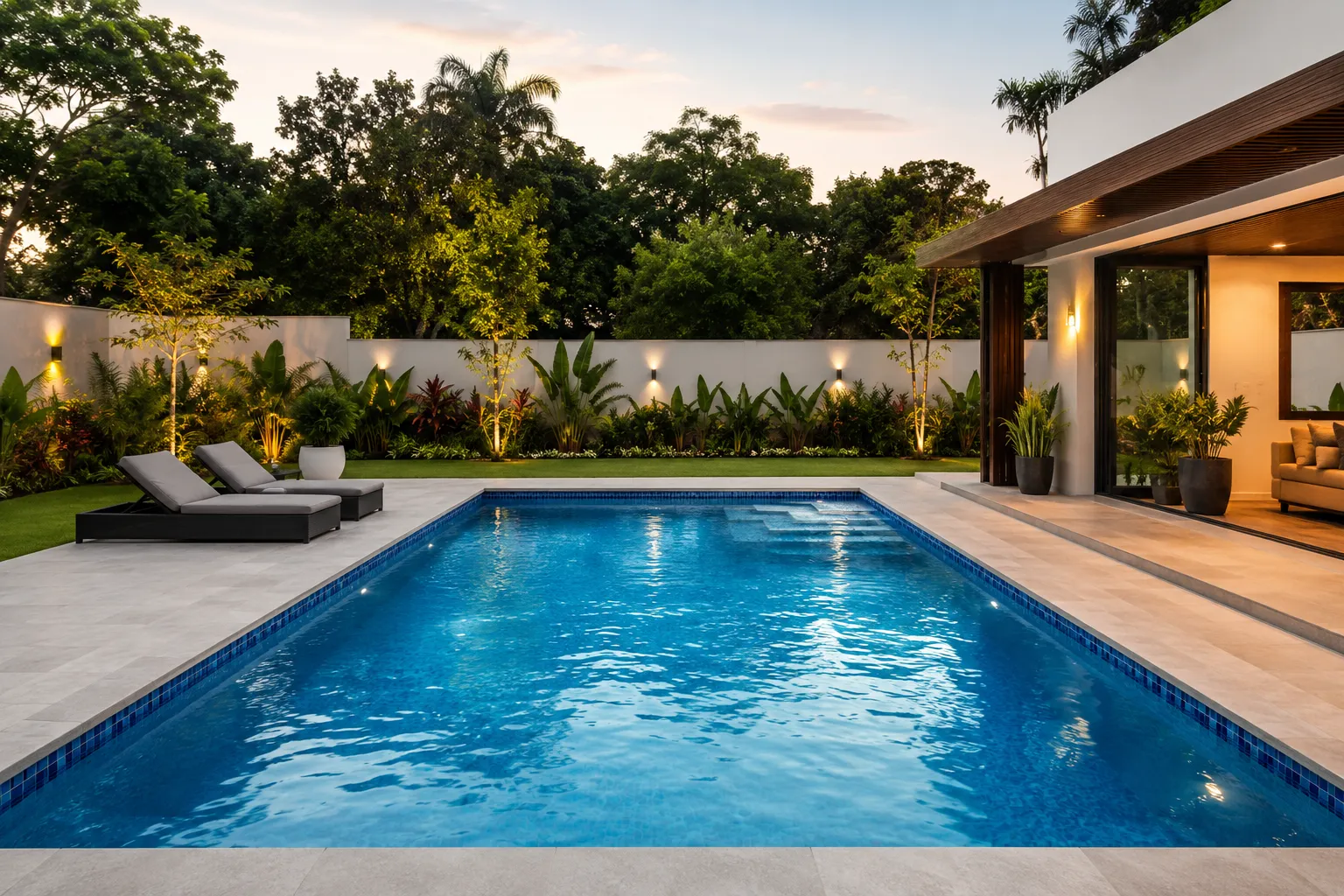
Crystal-clear water shimmering under the sun can turn any backyard into a private retreat, yet this clarity is never accidental. Behind every inviting pool lies a sophisticated interplay of filtration and circulation systems meticulously planned by a trusted swimming pool construction company. This comprehensive guide explores the engineering, innovations, and sustainable practices that ensure pool water remains safe, clean, and energy-efficient year-round.
Core Components of Pool Filtration Systems
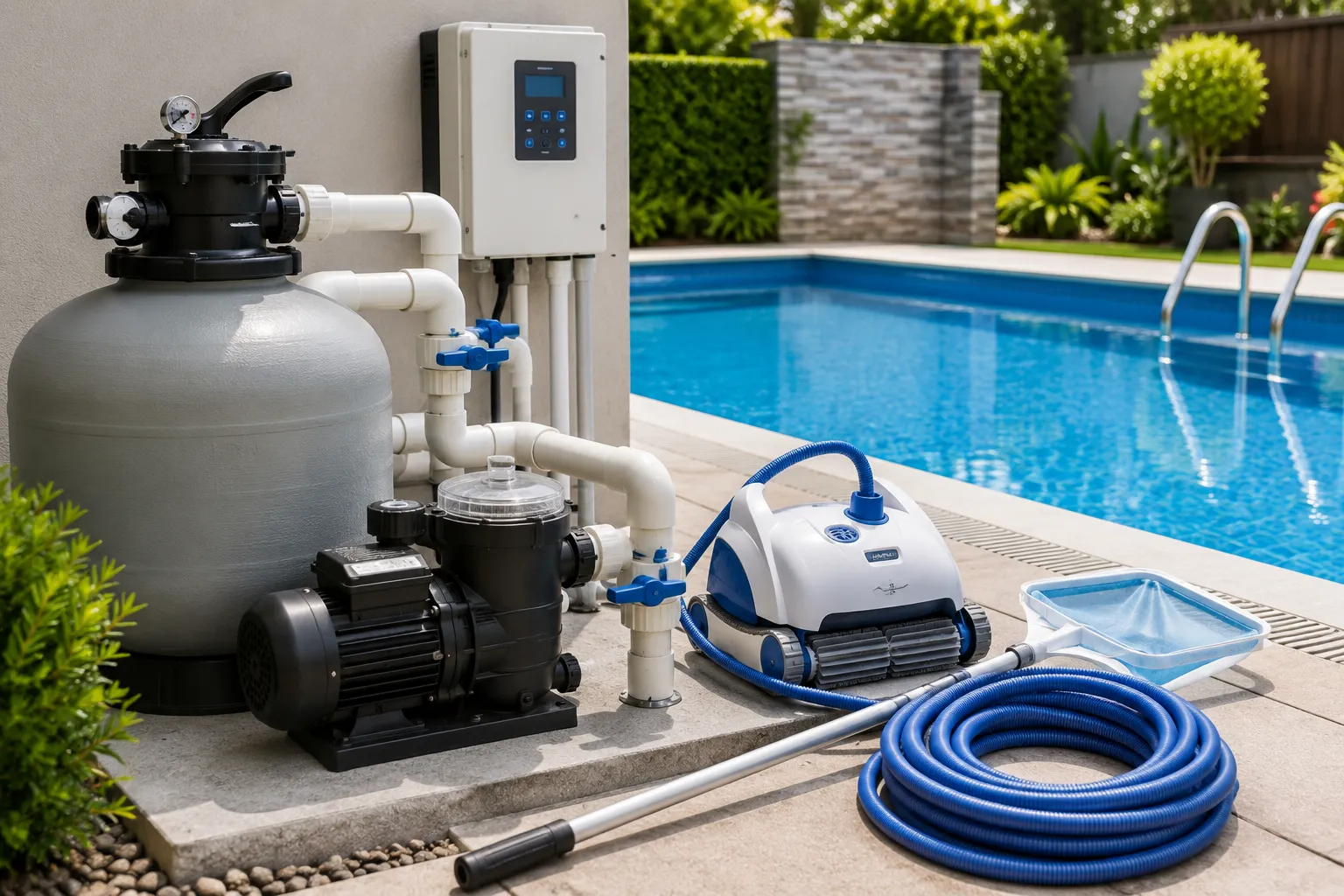
Filtration systems serve as the primary defense against contaminants, trapping particles that compromise water quality. Three main types—sand, cartridge, and diatomaceous earth (DE)—dominate modern installations, each excelling in specific scenarios. A swimming pool construction company evaluates pool size, bather load, and environmental factors before recommending the ideal filter medium.
Sand filters, for instance, utilize layers of graded silica to capture debris down to 20–40 microns. Water passes through the bed under pressure, and periodic backwashing flushes accumulated dirt. These systems are favored in large public pools across India due to their robustness and low initial maintenance demands.
Cartridge filters, by contrast, employ pleated fabric elements that snag finer particles (10–20 microns). They require no backwashing, making them water-conserving choices for residential settings in water-scarce regions like Rajasthan. However, cartridges must be cleaned seasonally to prevent flow restriction.
DE filters achieve the finest filtration, removing impurities as small as 2–5 microns through a coating of powdered fossilized diatoms. Though maintenance involves replenishing DE powder, the resulting sparkling water justifies the effort in luxury villa projects. In 2024, DE systems accounted for 28% of premium pool installations in metro cities, according to industry surveys.
The Role of Circulation Pumps in System Efficiency
Circulation pumps act as the heart of any pool, propelling water through filters and return lines at calculated velocities. Single-speed pumps, once standard, have largely been supplanted by variable-speed models that adjust flow based on demand. Energy savings of 70–90% are routinely documented, a critical consideration in India where electricity tariffs vary widely.
In coastal areas like Chennai, corrosion-resistant pump housings are specified to withstand saline air. Meanwhile, installations in hilly regions such as Himachal Pradesh incorporate pressure-compensating designs to handle elevation changes. Modern pumps integrate with IoT platforms, allowing remote monitoring via smartphones—a feature increasingly demanded by tech-savvy homeowners.
Furthermore, proper pump sizing prevents cavitation and extends motor life. Undersized units strain under load, while oversized ones waste energy through excessive cycling. Engineering calculations based on total dynamic head (TDH) ensure optimal performance across diverse Indian terrains.
Integrating Renewable Energy for Sustainable Operations
Rising energy demands have prompted innovative synergies between pool systems and green technologies. A renewable energy solutions company specializes in solar-powered circulation pumps that operate independently of the grid during daylight hours. Photovoltaic panels mounted on nearby structures generate DC power, converted seamlessly to drive pump motors.
In sun-drenched states like Gujarat and Maharashtra, solar pool systems achieve payback periods under four years. The Ministry of New and Renewable Energy (MNRE) reported a 34% increase in solar water pumping installations in 2024, with recreational applications forming a growing segment. Hybrid inverters enable nighttime operation by drawing from batteries charged during the day.
Additionally, solar thermal collectors preheat pool water, reducing heater runtime by 50–60%. This dual approach—photovoltaic for circulation and thermal for heating—creates fully sustainable loops. Urban cooperatives in Bengaluru have adopted such models, achieving near-zero energy bills for community pools.
Solar Integration Checklist
- Panel orientation: South-facing at 15–30° tilt for maximum yield
- Battery backup: Lithium-ion for 4–6 hours of post-sunset circulation
- MPPT controllers: Optimize power extraction under partial shading
- Net metering: Credit excess generation to household supply
These elements ensure reliable performance even during monsoon disruptions common in Kerala and Goa.
Advanced Circulation Techniques and Flow Dynamics
Effective circulation eliminates dead zones where contaminants accumulate, requiring complete water turnover every 6–8 hours. Floor returns, wall jets, and venturi skimmers create laminar flow patterns that sweep debris toward collection points. Computational fluid dynamics (CFD) modeling, now standard in high-end projects, predicts flow behavior before construction begins.
In-ground pools benefit from main drain systems that pull water from the deepest points, preventing stratification. Surface skimming removes 80% of contaminants, as oils and sunscreen residues float atop the water column. Automated level controllers maintain precise water heights, preventing air ingress into pump impellers.
For infinity-edge designs popular in hillside properties, overflow channels double as circulation pathways. Water cascades into hidden troughs, then returns via gravity-fed lines—an elegant solution that enhances both aesthetics and hygiene. In Mumbai’s high-rise developments, such systems integrate with rainwater harvesting for makeup water.
Water Chemistry and Supplementary Disinfection
Balanced water chemistry forms the foundation of any filtration strategy. pH levels between 7.2–7.8 optimize chlorine efficacy, while total alkalinity (80–120 ppm) buffers against rapid shifts. Calcium hardness (200–400 ppm) prevents corrosion or scaling in equipment.
Ultraviolet (UV) systems destroy 99.9% of pathogens by disrupting DNA, reducing chlorine demand by 60–80%. Ozone generators inject O₃ gas that oxidizes organic matter, leaving no residual taste or odor. When paired with minimal chlorination (0.5–1.0 ppm), these technologies create “salt-like” swimming experiences.
In India, the Bureau of Indian Standards (BIS) IS 3328:1995 governs public pool water quality. Turbidity must remain below 1 NTU, achievable through robust filtration and circulation. Automated dosing systems linked to ORP and pH sensors maintain parameters within ±0.1 precision.
Maintenance Protocols and Seasonal Considerations
Preventive maintenance extends equipment life and prevents costly breakdowns. Weekly tasks include skimmer basket emptying, pressure gauge monitoring, and visual pump inspections. Monthly deep cleans address filter media and strainer pots.
Monsoon seasons demand heightened vigilance in eastern states like West Bengal. Pre-emptive covering prevents leaf ingress, while post-rain shock treatments restore clarity. In northern India, winterization involves lowering water levels and adding algaecides to combat stagnation.
Smart diagnostics now predict failures through vibration analysis and flow sensors. Cloud-based platforms alert technicians before issues escalate, reducing emergency callouts by 40%. Annual professional audits verify compliance with evolving BIS standards.
Essential Maintenance Schedule
- Daily: Test chemistry, skim surface debris
- Weekly: Backwash sand filters, clean pump strainer
- Monthly: Inspect seals, lubricate O-rings
- Seasonally: Replace DE powder, calibrate sensors
- Annually: Professional system audit and certification
Following this regimen ensures uninterrupted operation across India’s diverse climates.
Troubleshooting Common Issues
Cloudy water often signals filtration inadequacy or chemical imbalance. High combined chlorine (>0.5 ppm) indicates insufficient oxidation, resolved through superchlorination or ozone boosting. Low flow rates suggest clogged impellers or closed valves.
Air leaks manifest as bubbling returns or pump cavitation. Tightening fittings and replacing worn gaskets typically resolves these. In hard water regions like Delhi NCR, scale buildup restricts pipes—vinegar soaks or descaling agents restore flow.
Algae outbreaks, common during Odisha summers, require brushing, shock treatment, and extended circulation. Preventive phosphate removers limit nutrient availability. Documenting each intervention creates valuable service histories for future diagnostics.
Retrofitting Legacy Systems for Modern Efficiency
Older pools built before 2010 often suffer from undersized piping and inefficient pumps. Upgrades begin with hydraulic audits measuring flow rates and pressure losses. Replacing 1.5-inch pipes with 2-inch equivalents reduces friction by 60%.
Variable-speed pump retrofits yield immediate savings, often qualifying for state-level energy rebates. Solar compatibility assessments determine panel sizing and mounting locations. In heritage properties like those in Jaipur, aesthetic integration preserves architectural integrity.
Case Study: A 1998 residential pool in Pune consumed 24 kWh daily. Post-retrofit with solar VSP and UV, usage dropped to 3 kWh, with surplus generation feeding household loads. The project achieved ROI in 3.2 years, validated by MNRE monitoring.
Regulatory Compliance and Documentation
Indian regulations mandate logbooks recording chemical levels, maintenance activities, and water test results. Public facilities require monthly microbial analysis by NABL-accredited laboratories. Digital platforms now automate compliance reporting to local authorities.
Insurance providers increasingly demand proof of regular maintenance to honor claims. Comprehensive service contracts with certified vendors provide both documentation and rapid response capabilities. BIS certification marks on equipment assure component quality.
Future Trends in Pool System Design
Artificial intelligence optimizes circulation based on real-time bather counts and weather forecasts. Machine learning predicts chemical demands, reducing waste by 30%. Robotic cleaners with onboard filtration reduce pump runtime.
Saltwater systems with titanium cells generate chlorine on-demand, eliminating bulk storage. Graphene-enhanced filter media promise 99% efficiency at half the pressure drop. 3D-printed custom components enable perfect hydraulic fits.
Biophilic designs incorporate natural filtration through wetland buffers, popular in eco-resorts. These living systems remove nitrates while supporting biodiversity. Research at IIT Madras explores microbial fuel cells that generate electricity from organic waste in pool water.
Conclusion
Mastering filtration and circulation transforms swimming pools from mere amenities into engineered ecosystems of clarity and sustainability. Every component—from pump curves to solar arrays—plays a vital role in delivering water that meets the highest standards of safety and aesthetics. Whether constructing new paradise or revitalizing existing assets, partnering with experienced professionals ensures systems that perform flawlessly for decades. The future of pool ownership lies in intelligent, renewable-powered designs that respect both user comfort and environmental responsibility.
Frequently Asked Questions
1. How does pool size affect filtration system selection in Indian homes?
Larger volumes (>75 m³) typically require sand or DE filters with 2 HP pumps, while compact plunge pools suit cartridge systems with 0.75 HP variables. Local water hardness and dust levels further influence choices.
2. Can solar-powered circulation work during Indian monsoons?
Yes, hybrid systems with battery storage maintain 4–6 hours of operation. Oversized panels compensate for reduced insolation, ensuring turnover requirements are met even on cloudy days.
3. What maintenance differences exist between residential and commercial pool systems?
Commercial pools demand daily professional oversight, automated chemical dosing, and redundant pumps. Residential systems follow weekly owner routines supplemented by quarterly technician visits.
4. How do elevation changes impact circulation design in hill stations?
Pressure losses increase 0.43 psi per meter of elevation. Booster pumps or larger impellers compensate, while gravity-assisted returns in downhill sections reduce energy needs.
5. Are chemical-free pools viable under BIS standards?
Advanced UV-ozone-solar combinations achieve compliance with residual disinfectants below 0.5 ppm. Regular testing verifies microbial safety, satisfying regulatory requirements for private installations.



























Sign in to leave a comment.