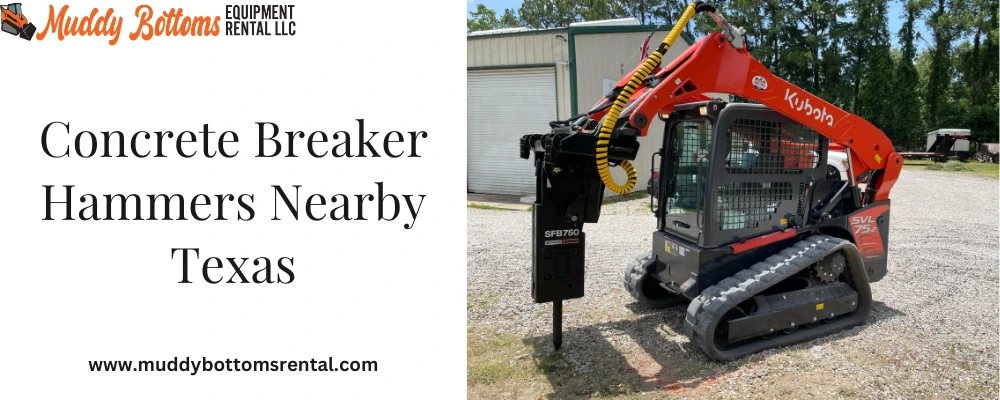

Concrete breaker hammers, also known as demolition hammers or jackhammers, are powerful tools designed to break up concrete, asphalt, and other hard materials with ease. Whether you\'re a professional contractor or a DIY enthusiast, understanding the ins and outs of these robust machines can significantly enhance your efficiency and productivity on the job site. This thorough guide will walk you through the several uses of concrete breaker hammers nearby Texas, as well as safe and efficient usage techniques. It also covers essential considerations that you should make when choosing the best equipment for the job.
The Evolution of Concrete Breaker Hammers:
From humble beginnings to the cutting-edge machines of today, concrete breaker hammers have come a long way. Initially, manual tools like chisels and jackhammers were used to break concrete, but they were labor-intensive and needed more precision. However, with advancements in technology, hydraulic and pneumatic breaker hammers emerged, offering increased power and efficiency. Today, electric and cordless models further enhance convenience and portability, catering to various construction needs.
Types of Concrete Breaker Hammers
Concrete breaker hammers come in various types, each suited to specific applications and environments:
Pneumatic Breaker Hammers: Powered by compressed air, pneumatic breaker hammers are commonly used in construction and demolition projects due to their high power-to-weight ratio and portability.
Electric Breaker Hammers: Ideal for indoor applications and environments where exhaust emissions are a concern, electric breaker hammers are powered by electricity and offer consistent performance with minimal maintenance requirements.
Hydraulic Breaker Hammers: Utilizing hydraulic power, these heavy-duty breaker hammers are often employed in demanding industrial settings and construction projects, delivering unparalleled force and efficiency.
Applications of Concrete Breaker Hammers
Concrete breaker hammers find widespread use across various industries and applications, including:
Construction: Concrete breaker hammers are extensively used in construction projects for demolition tasks, such as breaking up concrete structures like walls, floors, sidewalks, and foundations. They help in efficiently breaking down old concrete to prepare for renovations or new construction.
Road Maintenance and Repair: In road construction and maintenance projects, concrete breaker hammers are employed to remove old asphalt or concrete surfaces, allowing for repairs or resurfacing. They are crucial for breaking up hardened surfaces to make way for new pavement.
Excavation and Trenching: Concrete breaker hammers are utilized in excavation and trenching operations to break through harsh surfaces like concrete slabs or rocky terrain. They aid in creating pathways for utility installation, drainage systems, or underground infrastructure.
Demolition: In demolition projects, concrete breaker hammers play a vital role in dismantling structures efficiently and safely. They are used to break apart concrete walls, pillars, and other reinforced concrete components, facilitating controlled demolition processes.
Mining and Quarrying: Concrete breaker hammers are employed in mining and quarrying operations to break up large rocks and concrete formations. They assist in extracting minerals and materials by breaking down hard surfaces, making them easier to handle and transport.
Concrete Recycling: In concrete recycling facilities, breaker hammers are utilized to crush and break down old concrete into smaller pieces. This process allows for the reuse of concrete aggregates in new construction projects, reducing the need for virgin materials and minimizing waste.
Tips for Safe and Effective Usage
While concrete breaker hammers are potent tools, improper usage can lead to accidents and injuries. Follow these tips to ensure safe and effective operation:
- Wear appropriate personal protective equipment (PPE), including safety goggles, hearing protection, gloves, and steel-toed boots.
- Familiarize yourself with the specific operation and maintenance instructions provided by the manufacturer.
- Inspect the breaker hammer and its components for signs of damage or wear before each use.
- Ensure proper ventilation when operating pneumatic or gas-powered breaker hammers in enclosed spaces to prevent the buildup of exhaust fumes.
- Use the appropriate size and type of chisel or bit for the task at hand, and replace worn or damaged attachments promptly.
- Maintain a firm grip on the breaker hammer at all times and avoid overreaching or working from unstable positions.
- Take regular breaks to prevent fatigue and overheating, especially during extended periods of use.
Selecting the Right Concrete Breaker Hammer
When choosing a concrete breaker hammer, consider the following factors to ensure it meets your specific requirements:
Power Source: Concrete breaker hammers are typically available in electric, pneumatic (air-powered), and hydraulic models. Consider the availability of power sources at your worksite and choose accordingly.
Impact Energy: Higher impact energy results in greater braking power. Evaluate the scale of your concrete demolition tasks to determine the appropriate impact energy needed for efficient operation.
Weight: The weight of the breaker hammer affects its portability and ease of handling. Balance the need for power with the comfort of maneuverability, especially for prolonged use.
Vibration Control: Excessive vibration can lead to operator fatigue and discomfort. Look for breaker hammers with built-in vibration reduction features to enhance comfort and safety during operation.
Tool Attachments: Check if the breaker hammer supports various tool attachments for versatile applications. Different chisels and bits can enhance the tool\'s capability to tackle different concrete structures and materials.
Durability and Reliability: Choose a breaker hammer from reputable brands known for manufacturing durable and reliable construction equipment. Quality construction ensures longevity and minimizes downtime due to repairs.
Noise Level: Consider the noise level generated by the breaker hammer, especially if you\'re working in noise-sensitive environments or urban areas with noise regulations.
Price and Budget: Evaluate the initial cost of the breaker hammer and compare it with your budget constraints. Additionally, consider the long-term cost implications, including maintenance and operational expenses.
Warranty and Support: Opt for models that come with warranties and reliable customer support services. A good warranty provides assurance and coverage against manufacturing defects or premature failures.
User Feedback and Reviews: Research user feedback and reviews to gain insights into the performance, reliability, and user experience of different concrete breaker hammers. This information can help you make an informed decision based on real-world experiences.
Conclusion
Concrete breaker hammers nearby in Texas are indispensable tools for a wide range of construction, demolition, and renovation projects. By understanding their operation, applications, and safety considerations, you can harness the full potential of these powerful machines while minimizing the risk of accidents and injuries. Whether you\'re breaking ground on a new construction site or renovating an existing structure, a quality concrete breaker hammer can make all the difference in your productivity and efficiency. Choose wisely, follow best practices, and let the hammer do the heavy lifting.



























Sign in to leave a comment.