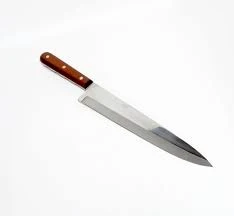

In the realm of culinary arts, the importance of having the right tools cannot be overstated. Among the essential tools, professional chef knives hold a special place. These meticulously crafted instruments are designed to unleash your culinary brilliance by providing precision, control, and efficiency in the kitchen. Join us as we explore the world of professional chef knives and discover how they can elevate your cooking game to new heights.
The Foundation of Culinary Excellence
A Chef's Best Companion
Professional chef knives are the backbone of a chef's arsenal. These knives are specifically engineered to meet the rigorous demands of a professional kitchen. With their exceptional cutting ability and ergonomic design, they empower chefs to execute intricate techniques, achieve consistent results, and unleash their creativity.
Versatility in the Kitchen
Professional chef knives are incredibly versatile, capable of handling a wide range of tasks. From chopping and dicing to slicing and mincing, these knives are designed to excel in various culinary applications. They are the go-to tool for preparing ingredients swiftly and efficiently, allowing chefs to focus on perfecting their culinary creations.
Design and Construction
Blade Composition
Professional chef knives typically feature high-quality blades forged from premium materials such as stainless steel, carbon steel, or Damascus steel. These materials offer exceptional sharpness, edge retention, and durability. The choice of blade material depends on personal preference and the specific requirements of the chef.
Blade Shapes and Profiles
Chef knives come in various shapes and profiles, each tailored to specific culinary tasks. The most common is the classic Western-style chef knife, with a broad blade and a curved edge, suitable for slicing, dicing, and chopping. Other popular designs include Santoku knives, with a shorter, wider blade, and Nakiri knives, ideal for precision vegetable work. Each knife shape offers unique benefits and versatility in the kitchen.
Ergonomics and Comfort
Handle Design
Professional chef knives prioritize ergonomic handle design for optimal comfort and control during extended periods of use. Handles are crafted from materials like wood, synthetic composites, or stainless steel. The choice of handle material depends on personal preference, grip style, and maintenance considerations.
Balance and Weight
Well-designed chef knives are carefully balanced to ensure a comfortable and natural feel in hand. The weight distribution between the blade and handle allows for precise control and reduces strain on the chef's hand and wrist. Choosing a knife with the right weight and balance is crucial for an enjoyable and effortless cooking experience.
The Art of Knife Maintenance
Honing and Sharpening
To unleash the full potential of professional chef knives, regular honing and sharpening are essential. Honing the blade with a honing rod realigns the edge, while sharpening with a whetstone or an electric sharpener restores the blade's sharpness. Keeping the knife consistently sharp ensures optimal cutting performance and reduces the risk of accidents.
Proper Care and Storage
Caring for professional chef knives involves proper cleaning, drying, and storage. Handwashing with mild soap and warm water is recommended, followed by thorough drying to prevent rust and corrosion. Storing knives in a knife block, magnetic strip, or blade guards protects the blades from damage and maintains their sharpness.
Conclusion
To unleash your culinary brilliance, investing in professional chef knives is a game-changer. These meticulously crafted tools offer unparalleled precision, control, and efficiency in the kitchen. With their versatile designs, superior construction, and ergonomic features, professional chef knives empower you to explore new culinary horizons, execute intricate techniques, and elevate your cooking to a whole new level.












Sign in to leave a comment.