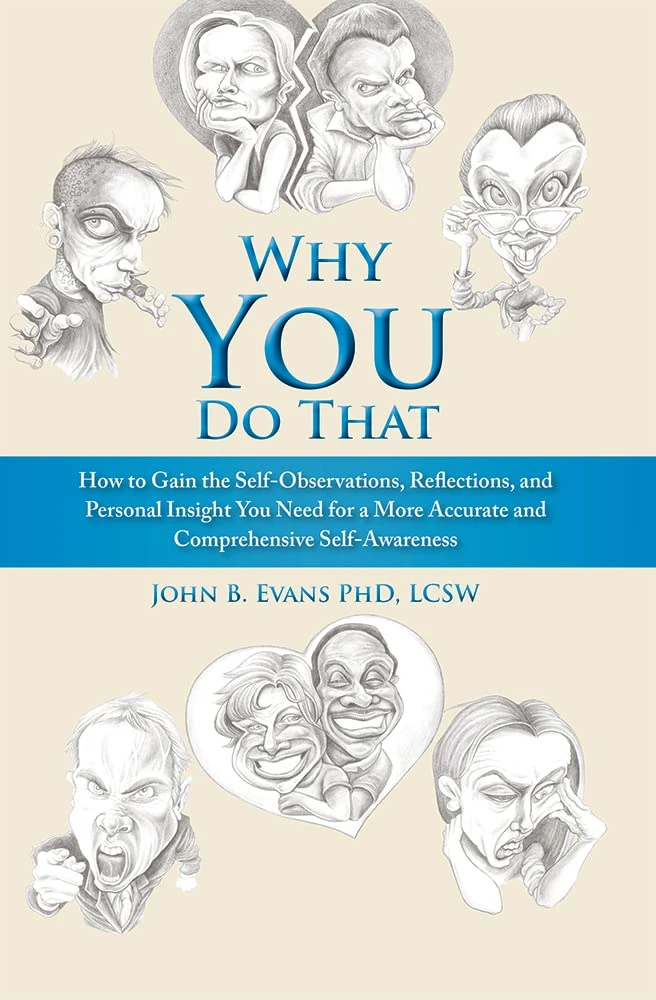

Give it a read: “Why You Do That” by John B. Evans, Ph.D., serves as a compass in the desire for self-discovery. This book contains a wealth of knowledge about how people behave and provides a path to self-knowledge, self-reflection, and self-awareness. The study of personalities by Dr. Evans acts as a guide for us as we try to comprehend both ourselves and those around us. Recommending “Why You Do That” is an invitation to embark on a transformative and personal journey to confidence, growth, and development. Get your copy on Amazon: https://amz.run/7YWm.
In a world where confidence may be the key to achieving both personal and professional success, it is astonishing to see that many people struggle to have it. In fact, according to a recent study, nearly 85% of people have experienced low self-esteem at some point in their lives. However, building up self-esteem is within reach for everyone. This article aims to provide sensible and effective techniques to reinforce your self-confidence, allowing you to remain resilient when life throws obstacles at you. But first, let us understand what self-confidence is:
Self-assurance or confidence is more than just a fleeting feeling. It is an essential conviction about one's value and abilities. It is crucial to many aspects of life, such as personal relationships, professional success, and general well-being. Here are some tips to help you nurture it:
Set Realistic Goals
Begin by setting small, attainable goals. Achieving these goals, no matter how minor, will contribute to a developing experience of accomplishment. Research suggests that engaging in small goals stimulates the reward system in the mind, reinforcing nice feelings and encouraging confidence in oneself. As Dr. Evans points out, most people’s lives are informed by the “crashes and ashes” of failed attempts at some goal. Dr. Evans uses his own struggles to play guitar and banjo as an example of having no talent whatsoever, but doing it anyway – just badly. But Dr. Evans recognizes his greater talents in other areas. We must all work at discovering what we do best or will enjoy so much that we settle for doing it badly. Failure is an inevitable aspect of life, but it can be a powerful instructor. Embrace setbacks as possibilities for improvement rather than signs of incompetence. Individuals who view failure as a necessary and expected part of life are much more likely to maintain high stages of self-confidence when faced with difficulty.
Embrace Positivity
Cultivate a positive mindset by way of concentrating on your abilities and achievements. Research indicates that those who practice gratitude and positive self-talk are more likely to create higher degrees of confidence. Therefore, start every day by acknowledging things you're grateful for and focusing on the positives. A part of this is learning to listen to others as much as we talk to others. Being a listener with a positive mindset will draw people to you, and a good circle of friends always helps.
Seek Support
Surround yourself with a supportive network of buddies, family, and mentors. According to research by The American Psychological Association, people with a strong social framework are better geared up to deal with stress and create resilience, leading to more self-confidence.
Invest in Personal Development
We are constantly looking for ways to improve our personal and professional lives. Whether it's acquiring new competencies or expanding your expertise, working at self-development can notably impact your growth. According to a survey by the Society for Human Resource Management, employees who participate in continuous learning and advancement demonstrate greater trust in their abilities and are more confident. Therefore, look for growth opportunities, and take time to learn new things and develop new skills to advance as an individual.
In a nutshell. Gaining self-confidence is a slow process that calls for dedication and effort. By setting realistic goals, embracing positivity, learning from failure, seeking support, and making an investment in personal development, you may free up your internal power and create a higher level of self-assurance and self-confidence. Remember that developing self-confidence is about recognizing your worth and embracing a journey of continuous improvement, not about becoming perfect.
So, start today. Invest in yourself, seek inspiration from “Why You Do That,” by John B. Evans, PhD, LCSW, and witness the transformative power of increased self-confidence.









Sign in to leave a comment.