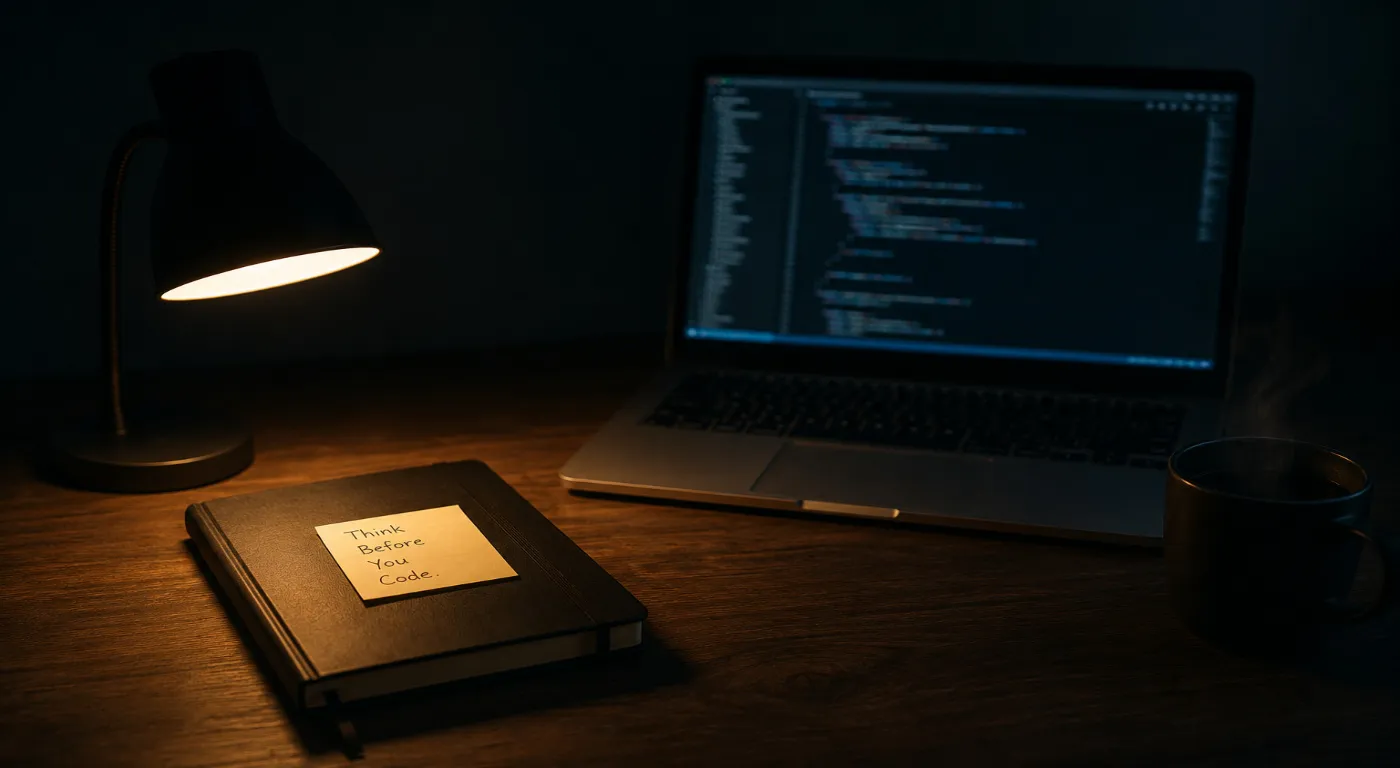

It was almost midnight when Priya realized something was wrong with her to-do list app the kind of wrong that doesn't show up as an error.
Everything worked. She could add tasks, mark them complete, delete them. The interface looked exactly the way she wanted.
But every time she closed the browser and reopened it, the list was empty again.
This wasn't supposed to be a hard assignment. Local storage, a bit of DOM manipulation. The kind of project meant to take a weekend, not eat one.
She stared at the screen, sure the answer was close.
The Bug That Didn't Make Sense
She checked her addTask function first. Clean.
She checked the event listener. Also clean.
She read through her saveToStorage call three separate times, convinced the bug had to be hiding in plain sight.
It wasn't.
No red error text. No stack trace. No angry compiler telling her where to look. Just a program that quietly did something other than what she meant it to do.
That was the strange part. Syntax errors, she was used to. The compiler always pointed straight at them. This felt different — like the code was technically correct and functionally wrong at the same time.
What Finally Revealed the Problem
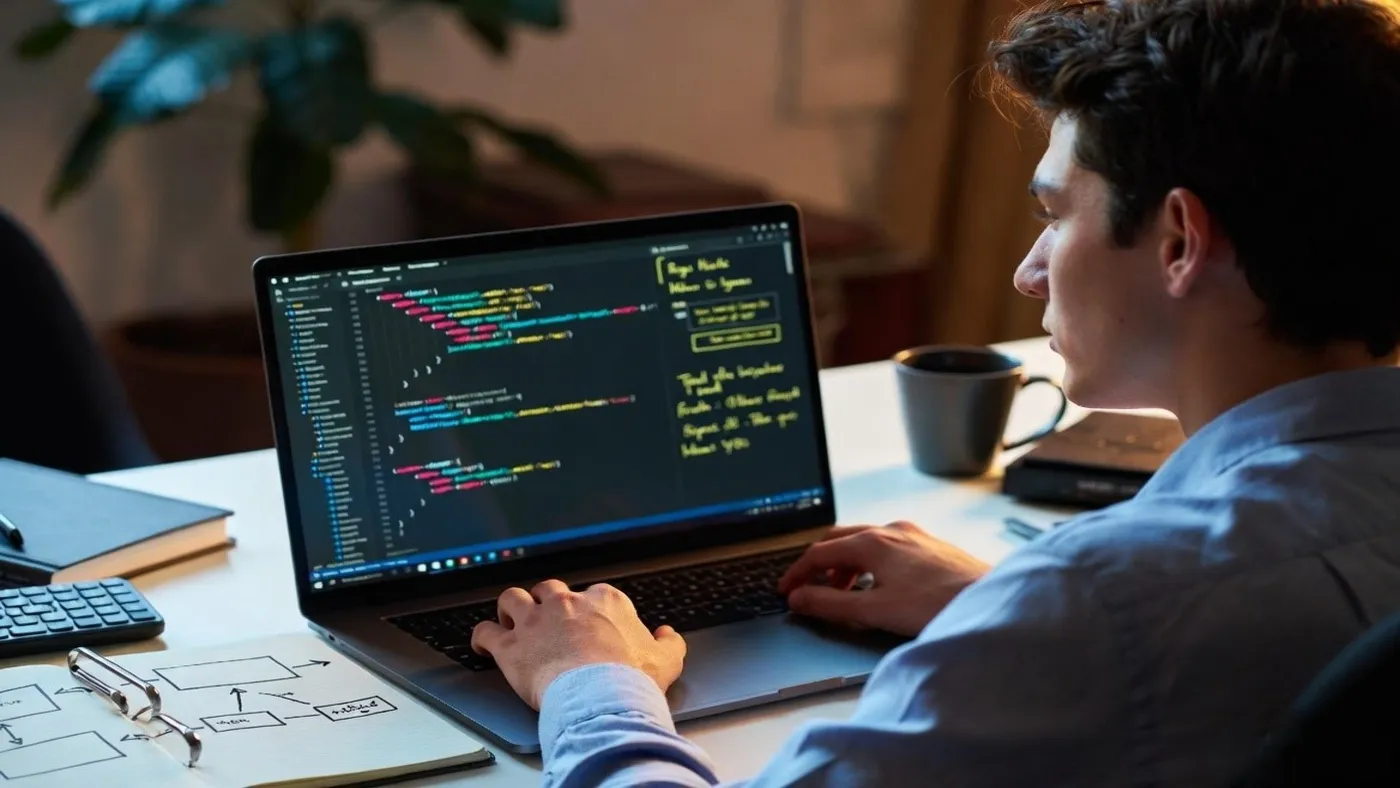
Eventually, Priya stopped reading and started testing.
She added a single console log inside her save function, just to confirm it was running at all.
It never printed.
That one missing line told her more than an hour of reading code had.
The function that saved her tasks was never being called. Somewhere during an earlier refactor, the button meant to trigger it had quietly become decorative. It looked like it did something. It didn't. Her tasks were living and dying entirely in memory, gone the moment the page reloaded.
Why This Assignment Was Different
Most beginner resources train students to fear syntax errors — the missing semicolon, the unclosed bracket, the misspelled keyword.
Those are the easy ones. The compiler tells you exactly where they live.
Logic errors don't come with a map. The program runs, produces a result, and that result is simply wrong — or, in Priya's case, silently absent.
Finding a bug like this takes a different skill than writing the code in the first place. It means treating your own program like a stranger's. Assuming nothing. Verifying everything.
What It Actually Taught Me
What changed things for Priya wasn't cleverness. It was a willingness to stop guessing and start checking, one assumption at a time.
She'd assumed the click handler worked.
She'd assumed the storage call fired.
She'd assumed the data structure was correct.
Only after she tested each assumption individually did the actual problem surface.
Assignments like this rarely test whether you know a language. They test whether you can build a mental model of your own program — and then interrogate it. That's slower than memorizing syntax. It's also the skill that separates finishing an assignment from finishing it and being able to explain, afterward, exactly why it works.
Why the Right Kind of Help Matters
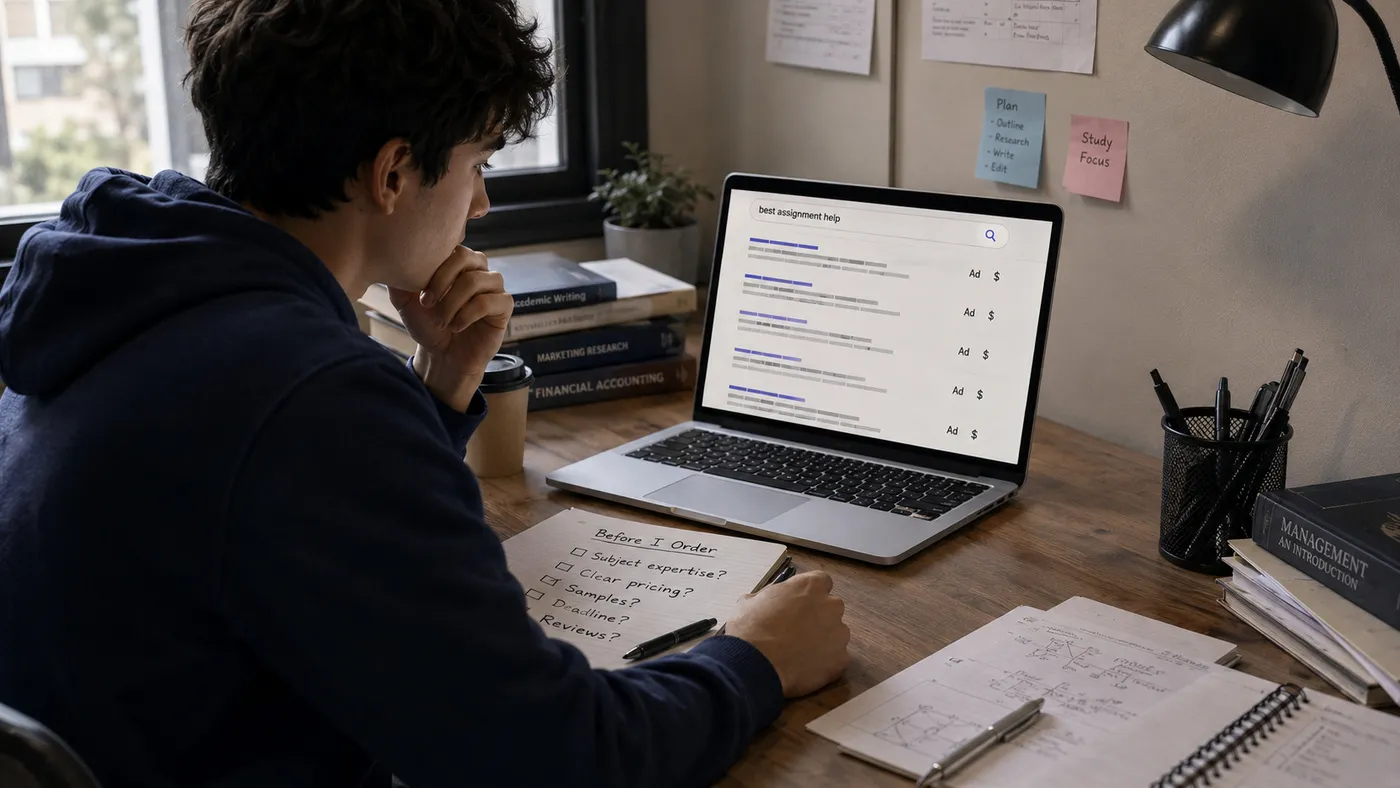
There's a temptation, especially late at night with a deadline close, to search for the answer instead of the reasoning.
Somewhere out there was probably a similar broken to-do app with a working solution attached. Copying it would have taken Priya two minutes instead of an hour.
It also would have taught her nothing. The next assignment with a silent bug would have found her exactly as stuck as before.
When students look for outside help with problems like this — whether from a classmate, a forum, or a service like AssignmentDude — the value isn't in getting a working file back. It's in whether the explanation actually walks through how the bug was found, not just what fixed it.
Looking Back
By the time Priya's app worked, it wasn't really the storage bug that had changed.
It was the way she approached the next one.
A week later, a different assignment threw an error she didn't recognize. Instead of panicking, she did what she'd done before — isolated one piece, tested it, moved to the next.
The specific bug was different. The process wasn't.
Looking back, the broken save button wasn't the biggest problem. The bigger problem was assuming her code was doing what she thought it was doing.
That's a lesson she still carries into every project.
Have you ever spent hours chasing the wrong problem — only to find the actual bug was somewhere you'd already "checked"?


























Sign in to leave a comment.