
Table of Contents
- Key Takeaways
- Introduction
- Rethinking Self Care Through Practical Lifestyle Design
- Self Care Ideas That Support Emotional Stability
- Mental Health Tips for Realistic Self Care Planning
- Seasonal and Situational Self Care Adjustments
- Common Self Care Mistakes to Avoid
- Building a Sustainable Self Care Framework
- Conclusion
- Book a Mental Health Consultation Today!
- Frequently Asked Questions
Key Takeaways
- Self care ideas work best when they are practical, not complicated or expensive.
- Self-care planning should focus on consistency and personal lifestyle compatibility.
- Mental health tips are more effective when combined with structure, reflection, and boundaries.
- Self care supports well-being but should work alongside professional help when needed.
Introduction
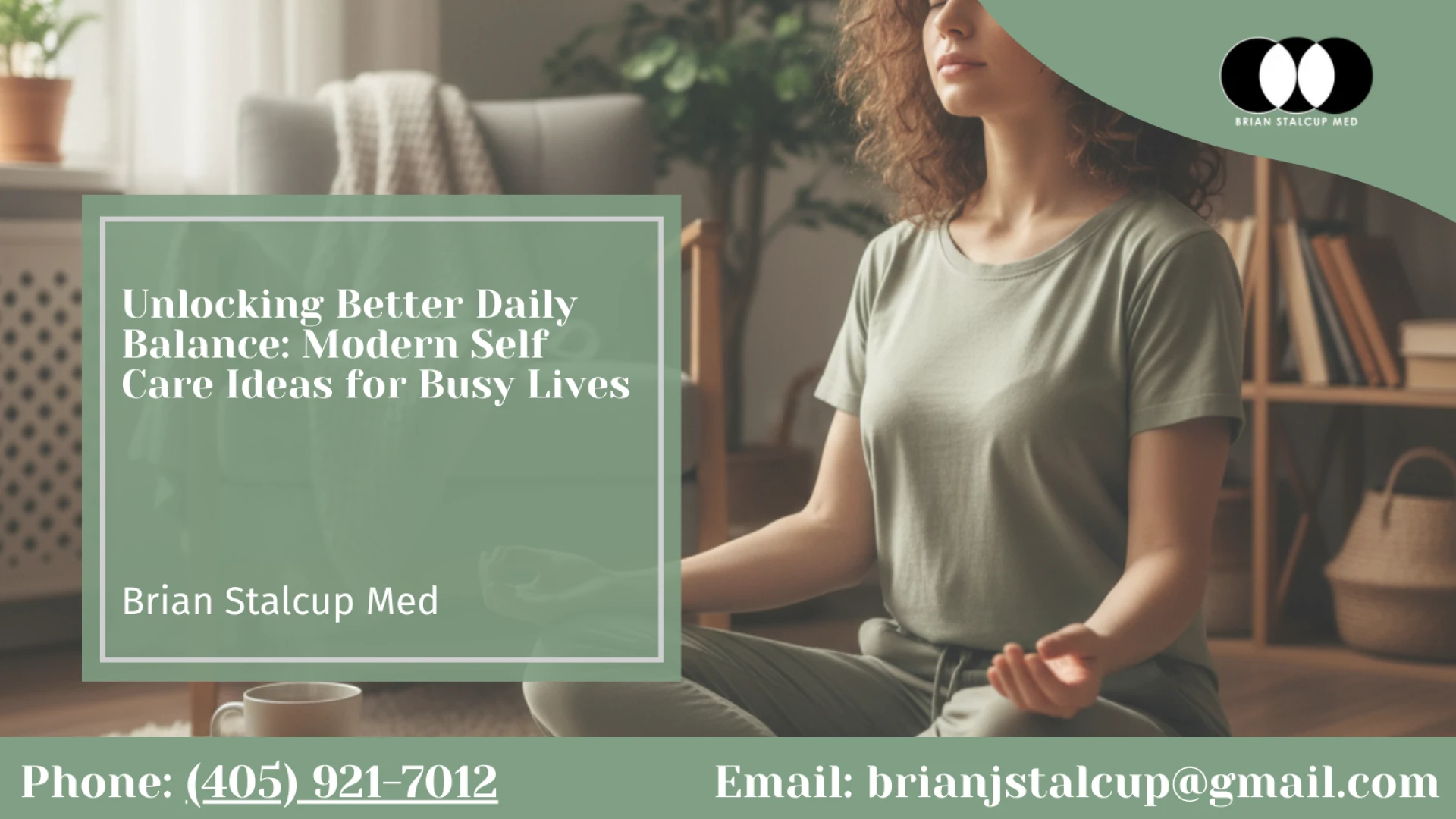
Modern life often pushes people to focus on productivity while quietly neglecting emotional and physical recovery. Exploring self care ideas can help individuals regain control over stress, improve emotional balance, and build healthier daily routines. This approach is not about luxury routines or expensive wellness trends. Instead, it is about designing small habits that protect mental stability while still meeting work and family responsibilities.
Self care ideas are especially valuable for homeowners, business owners, and property managers who often handle multiple responsibilities at once. High workload pressure can increase emotional strain, making structured self-care planning an important tool for long-term resilience.
Rethinking Self Care Through Practical Lifestyle Design
Many people associate self care with occasional relaxation activities. However, a more effective approach is treating self care as a lifestyle system rather than a reward-based activity.
Self care is similar to maintaining a property or managing business operations. Without routine maintenance, small problems can grow into larger issues. Emotional and mental health works in a similar way. Small daily habits help maintain stability and reduce long-term stress buildup.
Instead of focusing on dramatic lifestyle changes, start by evaluating three core areas:
- Energy management throughout the day
- Emotional triggers and stress patterns
- Environmental comfort and productivity spaces
Understanding these elements helps create more personalized mental health tips that fit real-life schedules.
Self Care Ideas That Support Emotional Stability
Physical Habits That Influence Mood and Energy
Physical wellness directly affects emotional resilience. When the body feels stressed or exhausted, emotional regulation becomes harder.
Helpful self care ideas include:
Movement-Based Practices
Light movement such as walking, stretching, or yoga can help release tension accumulated during work or household responsibilities.
Sleep Consistency
Maintaining similar sleep and wake times helps regulate hormone balance and cognitive performance.
Nutrition Awareness
Regular meals with balanced protein, carbohydrates, and healthy fats support sustained energy levels.
Hydration Management
Dehydration can sometimes worsen anxiety symptoms and fatigue, so regular water intake is a simple but effective mental health tip.
Emotional Awareness and Reflection
Emotional self care focuses on understanding feelings rather than suppressing them.
Effective emotional self care ideas include:
- Writing short daily reflections about stress triggers
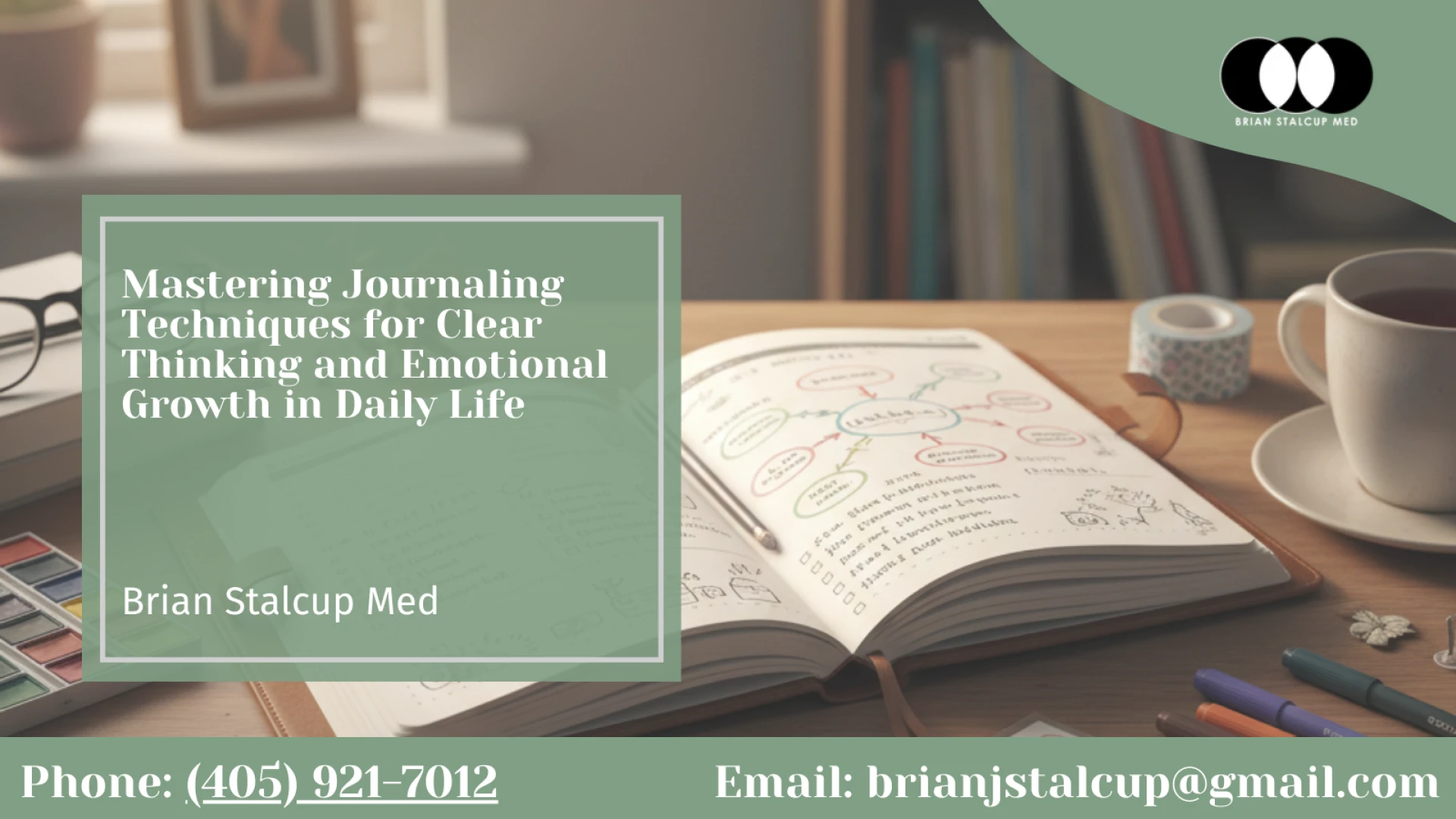
- Practicing gratitude journaling
- Taking 10 minutes of quiet time before bed
- Naming emotions instead of ignoring them
These practices support emotional processing, helping individuals identify patterns in their stress responses.
Cognitive Self Care Practices
Mental health tips for cognitive wellness focus on reducing information overload.
Examples include:
- Limiting constant news or social media scrolling
- Setting daily task priorities instead of overloading schedules
- Using short focus sessions instead of multitasking
These strategies improve concentration while reducing mental fatigue.
Mental Health Tips for Realistic Self Care Planning
Start With Self-Care Planning Checklists
Instead of building complex wellness programs, use simple checklists:
- Did I move my body today?
- Did I have time for quiet reflection?
- Did I connect with someone supportive?
- Did I complete at least one meaningful task?
These simple checks help track well-being without creating pressure.
Use Boundary Setting as a Self Care Strategy
Boundaries are one of the most powerful self care ideas for busy professionals.
Examples include:
- Setting specific work hours
- Limiting after-hours emails
- Communicating availability clearly
Strong boundaries protect emotional energy and improve long-term productivity.
Seasonal and Situational Self Care Adjustments
Self care needs change based on workload, weather, and life events.
High-Stress Period Strategies
During busy business seasons or major home projects:
- Reduce non-essential commitments
- Increase short rest breaks
- Simplify daily routines
Low-Stress Period Strategies
During slower periods:
- Focus on skill development
- Spend more time on hobbies
- Increase social connection activities
Flexibility is key to sustainable self-care planning.
Common Self Care Mistakes to Avoid
Many people struggle with self care because of unrealistic expectations.
All-Or-Nothing Thinking
Trying to follow strict wellness routines often leads to burnout. Small consistent habits work better than intense short-term programs.
Comparing Self Care to Others
Everyone has different schedules, responsibilities, and emotional needs. Comparing routines can create unnecessary pressure.
Using Self Care to Avoid Problems
Self care should support emotional processing, not serve as avoidance behavior.
Building a Sustainable Self Care Framework
Identify Personal Stress Signals
Pay attention to early signs of stress such as:
- Irritability
- Low motivation
- Difficulty sleeping
- Emotional sensitivity
Recognizing these signals helps trigger proactive self care responses.
Create Flexible Routines
Effective routines should adapt to changing circumstances.
Examples of flexible self-care planning include:
- Having backup routines for busy days
- Allowing shorter versions of habits
- Accepting imperfect consistency
Perfection is not the goal. Sustainability is.
When Self Care Is Not Enough
Self care ideas are supportive but have limitations. Persistent anxiety, depression, or trauma symptoms may require additional professional support. Self care works best when combined with therapy, counseling, or medical guidance when necessary.
Recognizing when stress becomes overwhelming is a sign of emotional awareness, not weakness. Seeking professional help is an advanced form of self care rather than a failure of personal management.
Conclusion
Self care ideas provide practical tools for managing emotional and mental health in everyday life. Through realistic self-care planning, balanced routines, and thoughtful mental health tips, individuals can build stronger resilience against daily stress.
The best approach focuses on small improvements over time rather than dramatic lifestyle changes. Self care is about building stability, not achieving perfection. When practiced consistently, these habits support healthier emotional regulation, better focus, and stronger long-term well-being.
Book a Mental Health Consultation Today!
If you want help developing personalized self care ideas or learning more about mental health tips that match your lifestyle, professional guidance can help. Explore supportive care options and build a plan designed around your needs.
Frequently Asked Questions
1. What are the best self care ideas for beginners?
Start with sleep consistency, hydration, light movement, and short daily reflection time.
2. How does self-care planning improve mental health?
Planning helps create structure, reduce stress unpredictability, and support emotional stability.
3. Can self care help with workplace stress?
Yes. Setting boundaries, taking breaks, and managing workload expectations can help reduce burnout.
4. Are expensive wellness activities required for self care?
No. Many effective self care ideas are free or low-cost, such as walking, journaling, or meditation.
5. When should I seek professional help instead of relying only on self care?
If anxiety, depression, or emotional distress interferes with daily functioning, professional support is recommended.



























Sign in to leave a comment.