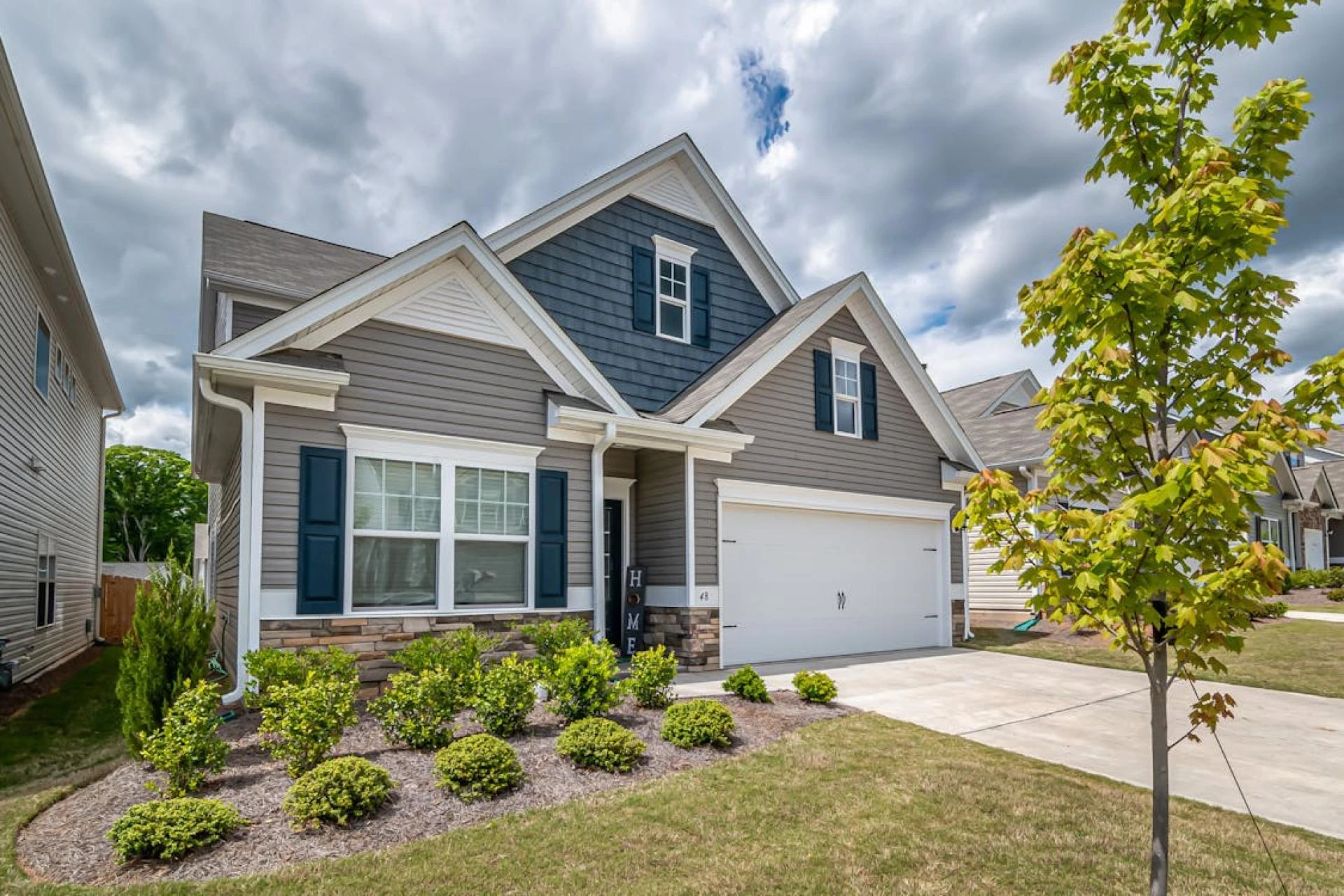

In New Hampshire's competitive real estate market, where the median home price reached $494,500 in April 2025—a 2.1% increase since 2024—buyers and investors face significant challenges.
Limited inventory and rising prices make it difficult to coordinate buying a new property while selling an existing one. Bridge loans offer a solution by providing short-term financing to bridge the gap between transactions, enabling buyers to act quickly without waiting for their current property to sell.
What Is a Bridge Loan?
A bridge loan is a short-term loan that leverages the equity in your current property to finance the purchase of a new one. This type of loan is particularly useful in fast-moving markets like New Hampshire, allowing buyers to make competitive offers without home sale contingencies.
Bridge loans typically have terms ranging from 6 to 12 months and are secured by the borrower's existing property. They are designed to be repaid upon the sale of the original property or through refinancing.
How Investors Use Bridge Loans
Bridge loans aren’t just for homeowners. Real estate investors in New Hampshire are using them in smart, strategic ways.
1. Buying Before Selling
You can buy a new investment property before offloading an older one, which helps maintain momentum in your portfolio growth.
2. Renovating and Reselling
Many investors use bridge loans to fund quick renovations on properties before selling. This is especially useful for homes that need updates to be market-ready.
3. Multi-Family Bridge Loans
Investors targeting multi-family properties (two units or more) often use multi-family bridge loans to:
· Acquire underperforming buildings.
· Fund improvements.
· Refinance with a long-term loan once rental income stabilizes.
Benefits of Bridge Loans in New Hampshire
1. No Need to Wait on a Sale
Bridge loans allow you to move forward with a purchase even if your current property hasn’t sold yet.
2. Stronger Offers
In a market where sellers field multiple offers, a non-contingent offer stands out. Bridge loans make this possible.
3. Minimal Disruption
You can avoid temporary housing, storage costs, or rushed decisions by moving directly from one property to the next.
4. Fast Access to Cash
Traditional home loans often take weeks to close. Bridge loans are faster, helping you lock in properties before someone else does.
What You Need to Qualify
Approval for bridge loans typically depends on a few key factors:
· Equity in Current Property: You’ll need substantial equity—usually at least 20%–30%—in your existing home or investment property.
· Credit Profile: While requirements vary, a decent credit score improves your terms.
· Exit Strategy: Lenders want to see a solid plan for repayment, such as the sale of the old property or a scheduled refinance.
If you're an investor using a hard money lender, they may care more about the value and market potential of the property than your personal credit.
Key Considerations Before Applying
1. Interest Rate
Bridge loans typically have higher interest rates than traditional mortgages. Make sure the cost makes sense based on your sale or refinance timeline.
2. Loan Fees
Origination fees, legal fees, and closing costs can add up. Clarify all charges upfront.
3. Repayment Timeline
Know when your loan is due and have a solid exit strategy. Bridge loans are not meant to be long-term.
4. Lender Reputation
Choose a hard money lender with a clear process, responsive service, and transparent terms.
Partner With InstaLend For Easy Bridge Loans In New Hampshire
Ready to act fast on your next property in New Hampshire? Don’t let funding delays cost you the deal. InstaLend offers quick, flexible bridge loans in New Hampshire to help you buy before selling, fund renovations, or secure multi-family properties with confidence.
Apply today to get approved and move forward without waiting. Your next opportunity won't wait—neither should you.
Author’s Bio
Jessica L. is a property finance writer who specializes in short-term funding solutions for residential and commercial investors.















Sign in to leave a comment.