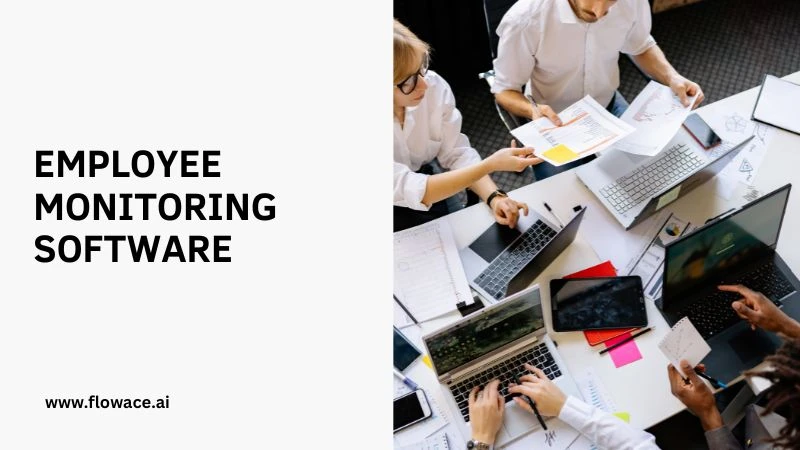

In the modern workplace, businesses are turning to innovative solutions to enhance efficiency, productivity, and overall performance. One such tool that has gained prominence is Employee Monitoring Software. Far from being a mere surveillance measure, these solutions offer a multitude of benefits that contribute to a thriving work environment. In this blog post, we'll delve into the key reasons why implementing employee monitoring software is advantageous for businesses.
1. Enhanced Productivity
At the heart of employee monitoring software is the ability to gain insights into work activities. By tracking tasks and projects, employers can identify areas where efficiency can be improved. Real-time monitoring helps eliminate time-wasting activities, ensuring that employees stay focused on their responsibilities. This heightened productivity translates into tangible results, benefiting both individual employees and the organization as a whole.
2. Transparent Task Management
Employee monitoring tools provide a transparent view of task management. Managers can effortlessly track project progress, identify bottlenecks, and allocate resources strategically. This transparency enhances communication within teams, ensuring that everyone is on the same page regarding project objectives and timelines. As a result, collaboration is streamlined, and projects progress smoothly toward completion.
3. Accountability and Responsibility
Implementing employee monitoring software cultivates a culture of accountability within the workplace. When employees know that their activities are being tracked, they are more likely to take ownership of their tasks and responsibilities. This sense of accountability contributes to a motivated workforce that consistently meets deadlines, produces high-quality work, and aligns with the company's goals.
4. Time Management and Work-Life Balance
Effective time management is a cornerstone of employee productivity. Monitoring software provides insights into how employees allocate their time during work hours. This information can be used to optimize work schedules, prevent burnout, and promote a healthier work-life balance. By fostering an environment that respects employees' time, businesses contribute to long-term job satisfaction and employee retention.
5. Customized Performance Metrics
Employee monitoring software allows organizations to establish customized performance metrics tailored to individual roles and responsibilities. This ensures that employees are evaluated based on criteria relevant to their specific contributions. Customized metrics provide a fair and accurate representation of an employee's performance, promoting a merit-based culture within the organization.
6. Remote Work Facilitation
In the era of remote work, employee monitoring software becomes an invaluable asset. It provides real-time insights into remote employees' activities, enabling employers to maintain connectivity and collaboration across dispersed teams. This facilitates effective management, ensuring that remote work is as efficient and productive as on-site work.
7. Compliance and Security
Ensuring compliance with company policies and industry regulations is paramount for businesses. Employee monitoring software helps in monitoring data access, protecting sensitive information, and identifying potential security risks. By maintaining a secure and compliant working environment, organizations build trust with clients, stakeholders, and regulatory bodies.
Conclusion: Empowering Success Through Monitoring
Employee monitoring software is not just about surveillance; it's a strategic tool that empowers businesses to thrive in the modern workplace. From boosting productivity and accountability to optimizing time management and facilitating remote work, the benefits are numerous. As businesses continue to adapt to evolving work dynamics, the implementation of employee monitoring software emerges as a key strategy for unlocking success and maintaining a competitive edge in today's dynamic business environment.









Sign in to leave a comment.