
Introduction
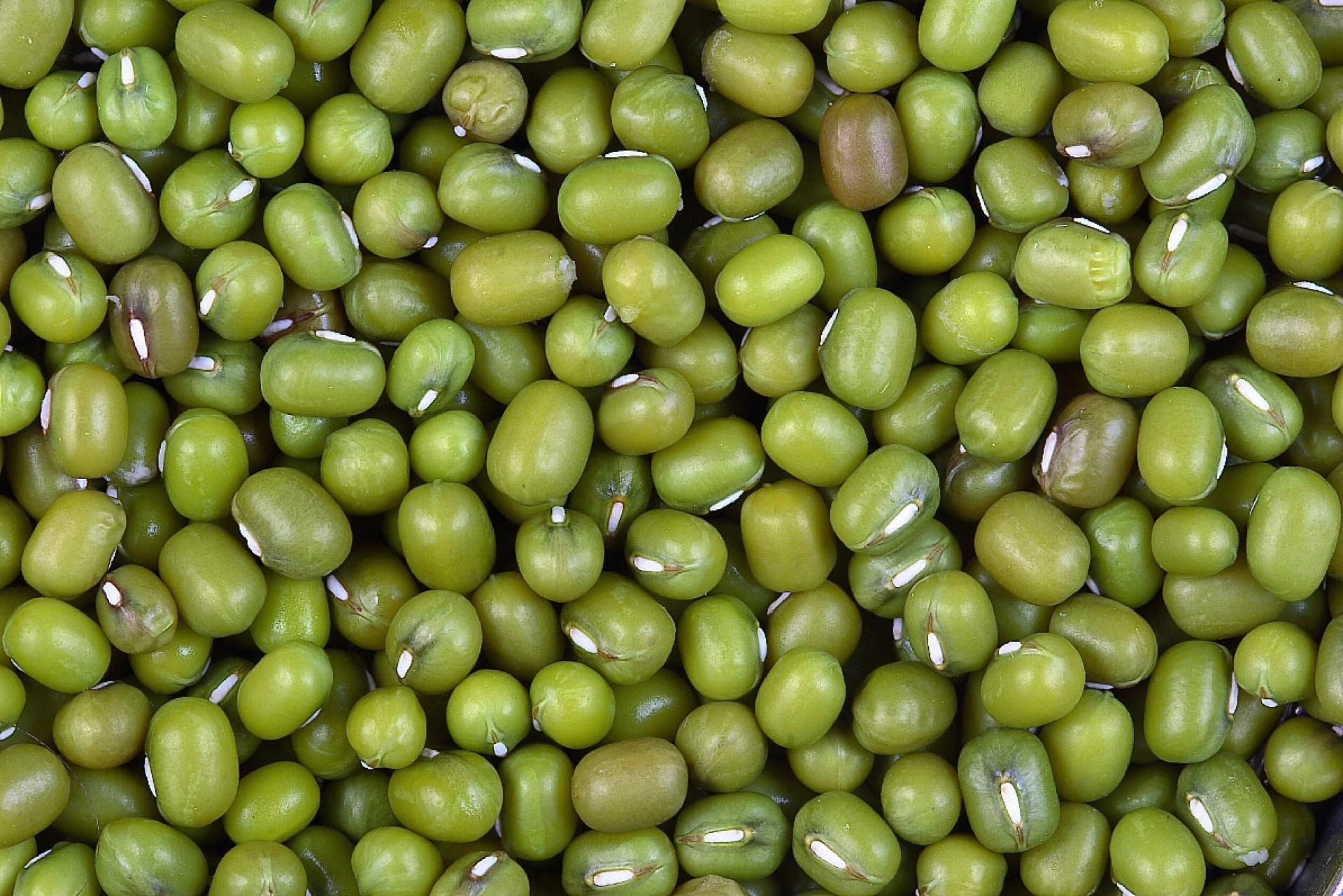
In the realm of pulses, one ingredient stands out for its versatility, taste, and nutritional value – Moong Dal. Also known as mung beans or green gram, Moong Dal is a staple in Indian cuisine and has gained popularity worldwide for its health benefits. In this guide, we'll delve deep into the nutritional profile, culinary uses, and health advantages of this humble legume.
Understanding Moong Dal
Exploring the Origins of Moong Dal
Moong Dal, derived from the mung bean plant, has been cultivated for thousands of years in Asia, particularly in India, China, and Southeast Asia. Its history intertwines with the rich tapestry of Asian culinary traditions, where it has been cherished for its taste and nourishing properties.
Nutritional Composition of Moong Dal
Moong Dal is a nutritional powerhouse, packed with essential vitamins, minerals, and proteins. It is low in fat and rich in dietary fiber, making it an excellent choice for those looking to maintain a balanced diet. A 100-gram serving of cooked Moong Dal provides approximately 7 grams of protein, 8 grams of dietary fiber, and a host of vitamins and minerals, including folate, iron, magnesium, and potassium.
Culinary Versatility of Moong Dal
One of the most appealing aspects of Moong Dal is its versatility in the kitchen. It can be used in a myriad of dishes, ranging from soups and stews to salads and desserts. In Indian cuisine, it is commonly used to prepare dal (lentil soup), khichdi (a rice and lentil dish), and various savory snacks. Moreover, Moong Dal flour is utilized to make delicious crepes and flatbreads, adding a nutty flavor and a boost of nutrition to the dishes.
Health Benefits of Moong Dal
Promoting Heart Health
Including Moong Dal in your diet may help lower cholesterol levels and reduce the risk of heart disease. Its high fiber content aids in lowering LDL (bad) cholesterol levels, while its potassium content helps regulate blood pressure, thus promoting cardiovascular health.
Supporting Digestive Health
The fiber-rich nature of Moong Dal promotes healthy digestion and prevents constipation. Additionally, it contains resistant starch, which acts as a prebiotic, feeding beneficial bacteria in the gut and supporting gut health.
Managing Blood Sugar Levels
For individuals with diabetes or those at risk of developing the condition, Moong Dal can be a valuable addition to the diet. Its low glycemic index helps regulate blood sugar levels, making it a suitable choice for maintaining stable energy levels throughout the day.
Conclusion
Moong Dal, with its rich nutritional profile and culinary versatility, is a valuable addition to any diet. Whether you're looking to boost your protein intake, support heart health, or simply enjoy delicious and wholesome meals, Moong Dal has you covered. By incorporating this humble legume into your meals, you can unlock a world of flavor and nutrition.
FAQs
Q1. Is Moong Dal gluten-free?
Yes, Moong Dal is naturally gluten-free, making it a suitable choice for individuals with gluten sensitivities or celiac disease.
Q2. Can I sprout Moong Dal for added nutrition?
Absolutely! Sprouting Moong Dal enhances its nutritional content, making it richer in enzymes, vitamins, and minerals. Sprouted Moong Dal can be used in salads, sandwiches, or enjoyed as a snack.
Q3. How should I store Moong Dal to maintain its freshness?
To preserve the freshness and flavor of Moong Dal, store it in an airtight container in a cool, dry place away from direct sunlight. Properly stored, it can last for several months.
Q4. Are there any potential allergic reactions to Moong Dal?
While allergic reactions to Moong Dal are rare, some individuals may experience allergic symptoms such as itching, hives, or swelling. If you suspect an allergy, discontinue use and consult a healthcare professional.
By addressing these frequently asked questions, we hope to provide clarity and guidance on incorporating Moong Dal into your diet seamlessly.
read more




























Sign in to leave a comment.