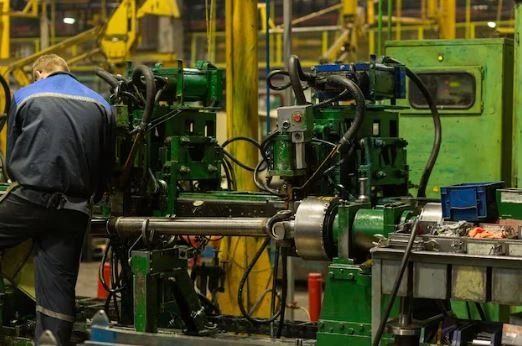

In the dynamic landscape of business, where decisions wield the power to shape destinies, the need for informed choices is paramount. When it comes to the world of heavy machinery and equipment, the role of appraisal services becomes a crucial compass, steering enterprises through the intricate seas of valuation. Let\'s embark on a journey to explore the pros and cons of machinery and equipment appraisal, shedding light on the nuances that can either propel or hinder your business endeavors.
Pros of Machinery and Equipment Appraisal
1. Accurate Valuation: The foremost advantage lies in the precision of valuation. Appraisers delve into the intricacies of each machine, considering factors like make, model, condition, and maintenance records. This meticulous evaluation ensures that the market value is not just a number but a reliable reflection of the equipment\'s worth.
2. Informed Decision-Making: Armed with an accurate appraisal, businesses gain a profound understanding of the true value of their machinery. This clarity becomes a powerful tool in making informed decisions, whether it\'s buying, selling, or managing equipment assets. In a world where decisions can make or break a company, having this insight is nothing short of a strategic advantage.
3. Financial Planning: Appraisals go beyond immediate transactions. They serve as beacons for financial planning, providing companies with a roadmap for budgeting replacements, assessing risks, and strategizing for the future. This forward-looking perspective can be a game-changer in an industry where adaptability is key.
4. Regulatory Compliance: In an era where compliance is non-negotiable, machinery and equipment appraisals offer a shield of regulatory compliance. Lenders, insurance providers, and government agencies often require independent appraisals for transactions or financial reporting, making these valuations indispensable in maintaining legal integrity.
5. Asset Management: For companies juggling an array of heavy machinery, appraisals provide a comprehensive view of the entire fleet. This panoramic insight aids in effective asset management, allowing businesses to optimize the use of their equipment, plan for upgrades, and identify areas for improvement.
6. Negotiation Confidence: Whether in negotiations for sales, leases, or purchases, a well-documented appraisal provides a solid foundation. It instills confidence in negotiations, allowing businesses to assertively navigate transactions with a clear understanding of the fair market value of their assets.
7. Trustworthy Reporting: Independent appraisals from reputable services instill trust. Whether it\'s reporting to stakeholders, investors, or regulatory bodies, having a reliable appraisal report adds credibility to financial disclosures and ensures transparent communication.
Cons of Machinery and Equipment Appraisal
1. Costs: One of the primary drawbacks revolves around the costs associated with hiring professional appraisers. While the benefits are substantial, businesses must weigh the expense against the value they stand to gain from the appraisal.
2. Time Consuming: Thorough appraisals take time. For businesses operating in fast-paced environments, the time invested in the appraisal process can be perceived as a constraint. Urgency may sometimes clash with the meticulous nature of the appraisal procedure.
3. Subjectivity: Despite efforts to standardize appraisal processes, an inherent level of subjectivity exists. Different appraisers may interpret factors like equipment conditions or market trends differently, leading to variations in valuations.
4. Overreliance on Data: In the digital age, appraisals heavily rely on data. While this is generally an advantage, it can become a disadvantage if the data used is outdated or incomplete. Inaccuracies in the data pool can compromise the reliability of the appraisal.
Conclusion: Striking a Balance
In the realm of machinery and equipment appraisal, the pros undoubtedly outweigh the cons. The accuracy, insights, and strategic advantages gained from a thorough appraisal process far exceed the associated costs and time constraints. Businesses should view appraisals not as hurdles but as invaluable tools that empower them to navigate the complex terrain of heavy machinery with confidence and clarity. It\'s about unlocking the true value of assets, making decisions that stand the test of time, and ensuring that every cog in the machinery of business is well-aligned for success. Read more at: https://www.bcamasset.com/appraisal-methodology-market-approach-income-approach-cost-approach/










Sign in to leave a comment.