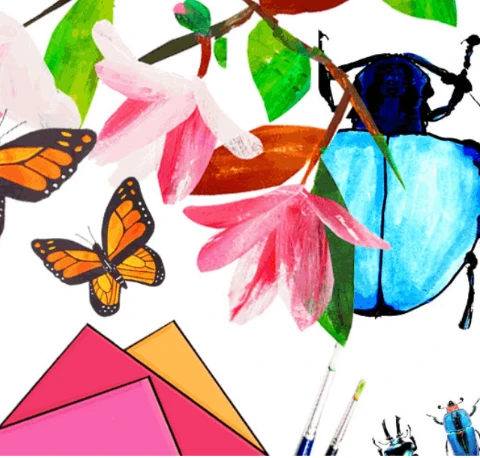

In the ever-evolving landscape of education, where the emphasis on Science, Technology, Engineering, and Mathematics (STEM) often takes center stage, the significance of art in a child\'s development should not be underestimated. Art lessons for kids extend beyond mere creative expression; they play a pivotal role in shaping well-rounded individuals equipped with a diverse set of skills. Let\'s delve into the enriching world of art and explore the myriad benefits it offers to the young minds of tomorrow.
1. Fostering Creativity and Imagination
Art lessons for kids provide a canvas for children to unleash their creativity and imagination. Through drawing, painting, and crafting, kids learn to think outside the box, exploring unconventional ideas and expressing themselves in ways that go beyond verbal communication. This freedom to create fosters a lifelong appreciation for innovation.
2. Development of Fine Motor Skills
Engaging in artistic activities requires precision and control, contributing significantly to the development of fine motor skills in children. The intricate movements involved in holding a paintbrush, sculpting with clay, or cutting paper enhance hand-eye coordination and dexterity, laying a foundation for various practical skills.
3. Enhanced Cognitive Abilities
Art stimulates cognitive functions in children by encouraging them to observe, interpret, and make decisions. Whether they are mixing colors, arranging shapes, or planning a composition, these activities sharpen critical thinking and problem-solving skills. The process of creating art nurtures a child\'s ability to analyze and make informed choices.
4. Boosting Self-Expression and Confidence
Art provides a platform for children to express their thoughts, feelings, and experiences freely. This uninhibited self-expression contributes to the development of a strong sense of identity and self-esteem. As kids see their ideas materialize into tangible creations, it instills a sense of pride and confidence in their abilities.
5. Cultivating Patience and Focus
The creative process often requires patience and sustained focus. Whether patiently waiting for paint to dry or meticulously working on a detailed project, children learn the value of persistence and concentration. These skills transcend the art studio, benefiting them in various academic and real-life situations.
6. Encouraging Emotional Intelligence
Art lessons provide a safe space for children to explore and understand their emotions. Through colors, shapes, and visual storytelling, kids can articulate their feelings and experiences. This emotional intelligence is crucial for developing empathy and understanding, essential qualities for navigating social relationships.
7. Promoting Cultural Awareness and Diversity
Art exposes children to diverse cultures, traditions, and historical periods. Exploring art from different parts of the world introduces them to a rich tapestry of human experiences. This exposure fosters cultural awareness, broadening their perspectives and nurturing a sense of global citizenship.
8. Stimulating Language Development
Engaging in artistic activities encourages verbal communication. Whether describing their artwork, discussing the creative process, or collaborating with peers, children enhance their language skills. Art lessons provide a multi-sensory approach to learning, reinforcing vocabulary and language development.
9. Instilling a Love for Learning
Art lessons infuse an element of fun into the learning process. When children associate learning with enjoyment, they develop a love for exploration and discovery. This positive attitude towards learning extends beyond the art studio, influencing their approach to various academic subjects.
10. Setting the Stage for Future Success
The skills cultivated through art lessons – creativity, critical thinking, and emotional intelligence – are not only valuable in the present but also set the stage for future success. Children exposed to the arts develop a versatile skill set that positions them as innovative thinkers and adaptable problem solvers.
Conclusion
Art lessons for kids are not a mere pastime; they are a cornerstone of holistic development. As educators, parents, and caregivers, recognizing the multifaceted benefits of art is essential for nurturing well-rounded individuals who can navigate the complexities of the modern world. Beyond the strokes of a paintbrush or the molding of clay, art lessons sow the seeds of lifelong skills and a profound appreciation for the beauty of creative expression. In embracing the colorful world of art, we empower children to envision, create, and embark on a journey of lifelong learning and fulfillment.



























Sign in to leave a comment.