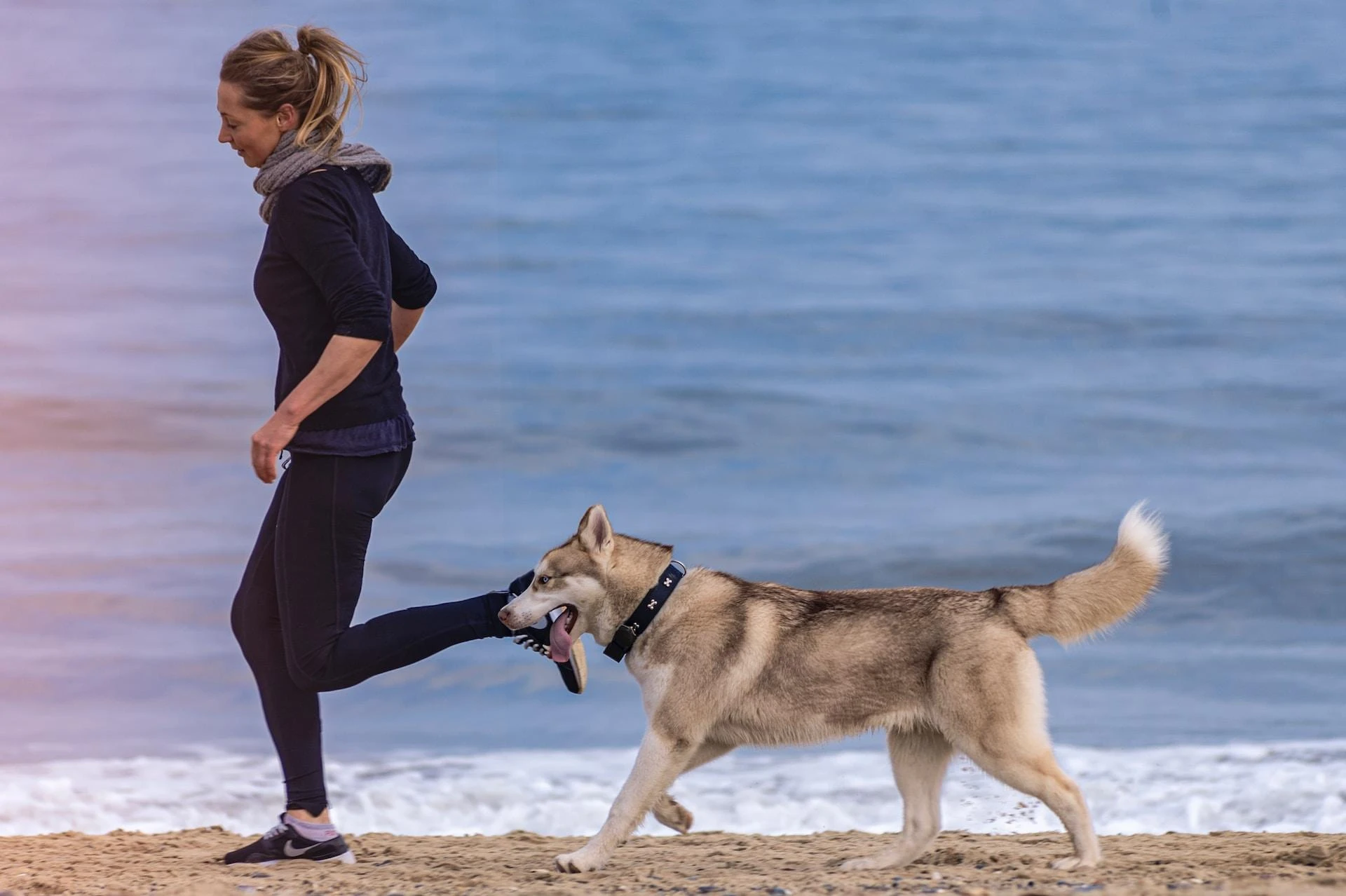

Are you a proud husky owner struggling with training your furry friend? Don't worry, you're not alone. Huskies have long been portrayed as stubborn and difficult to train, but it's time to debunk this myth once and for all. In this article, The Question Is " Are Huskies Hard To Train? we will delve into the training challenge that comes with owning a husky and provide you with expert tips and insights on how to overcome it.
Understanding the Husky breed
To effectively train a husky, it is crucial to have a deep understanding of their breed characteristics. Huskies are a unique breed with a rich history of being sled dogs in cold climates. Their independent nature and strong pack mentality make them highly intelligent, but also prone to exhibiting stubborn behavior. Acknowledging these traits will help you tailor your training techniques to suit their specific needs.
One important aspect of understanding huskies is recognizing their need for physical and mental stimulation. These energetic dogs require ample exercise to prevent boredom and destructive behavior. Daily walks, runs, and engaging activities like obedience training or agility courses can help keep their minds and bodies active.
Additionally, huskies are known for their sociable nature. They thrive in the presence of other dogs and humans, making them great companions. However, this social nature can also contribute to separation anxiety if they are left alone for extended periods. Ensuring your husky gets enough social interaction and mental stimulation will go a long way in their training journey.
The importance of training for Huskies
Training is an essential part of owning any dog, and huskies are no exception. While some dog owners may find training their huskies challenging, it is important to remember that consistency and patience are key. By establishing clear boundaries and expectations, you can help your husky develop good behavior and become a well-mannered family member.
One of the main reasons why training is crucial for huskies is their strong prey drive. Due to their sled dog heritage, huskies have a natural instinct to chase small animals. Without proper training, this instinct can lead to dangerous situations, such as running away or even attacking smaller pets. By teaching your husky proper recall and leash manners, you can ensure their safety and the safety of others.
Additionally, training provides mental stimulation for huskies. These intelligent dogs thrive on learning new things and solving puzzles. By engaging their minds through training exercises, you can prevent boredom and destructive behavior. Training sessions also serve as an opportunity for bonding and strengthening the relationship between you and your husky.
Basic training techniques for Huskies
When it comes to training huskies, starting with the basics is crucial. Here are some fundamental training techniques that will help you establish a strong foundation with your husky:
Positive reinforcement: Huskies respond well to positive reinforcement techniques, such as treats, praise, and play. Rewarding good behavior encourages them to repeat it, making the training process more enjoyable for both of you. Make sure to use high-value treats that
they find particularly enticing to maintain their interest and motivation.
Consistency: Huskies thrive on routine and consistency. Establishing a regular training schedule and using consistent cues will help them understand what is expected of them. Consistency also applies to rules and boundaries. Enforcing the same rules every time will prevent confusion and reinforce good behavior.
Clear communication: Huskies are intelligent dogs, but they can be independent thinkers. To effectively communicate with your husky, use clear and concise commands. Avoid long sentences or complex instructions, as they might confuse your dog. Keep your tone firm and confident to establish your role as the leader.
Remember, training is a gradual process, and it's important to be patient with your husky. Celebrate small victories and break down training tasks into manageable steps to set your husky up for success.
Advanced training techniques for Huskies
Once your husky has mastered the basics, you can move on to more advanced training techniques. These techniques will challenge your husky mentally and physically, helping them reach their full potential. Here are a few advanced training techniques to consider:
Agility training: Huskies are agile dogs with a natural inclination for physical activities. Agility training is a great way to channel their energy and provide mental stimulation. Set up an agility course in your backyard or join a local agility club to train your husky to navigate through tunnels, weave poles, and jumps.
Obedience training: Teaching your husky advanced obedience commands, such as "stay," "heel," and "leave it," will help you maintain control in various situations. Advanced obedience training is especially useful when walking your husky off-leash or in crowded areas. It ensures their safety and allows you to enjoy outings without constant worry.
Sledding or pulling activities: Huskies have a natural instinct for pulling due to their sled dog heritage. Engaging in sledding or pulling activities, such as carting or bikejoring, can provide a fulfilling outlet for their energy. However, it is crucial to seek proper guidance and training before attempting these activities to ensure the safety of both you and your husky.
Advanced training techniques require time, dedication, and expertise. Consider enrolling your husky in advanced training classes or seeking the guidance of a professional dog trainer to help you and your husky excel in these activities.
Training tools and equipment for Huskies
While effective training techniques and proper communication are the foundation of husky training, certain tools and equipment can aid in the process. Here are some commonly used tools and equipment for training huskies:
Leash and harness: A well-fitted harness can provide better control and comfort compared to a traditional collar. Huskies have a strong pulling instinct, so using a front-clip harness or a no-pull harness can help discourage pulling during walks.
Long line or training lead: A long line or training lead allows your husky to have more freedom while still maintaining control. It is useful for practicing recall or training in open spaces, where off-leash walking is not permitted.
Clicker: Clicker training is a popular positive reinforcement technique that uses a small clicker device to mark desired behaviors. The sound of the clicker serves as a signal to your husky that they have performed correctly, followed by a reward. This method helps reinforce positive behaviors quickly and effectively.
Interactive toys and puzzles: Huskies are intelligent dogs that benefit from mental stimulation. Interactive toys and puzzles, such as treat-dispensing toys or puzzle games, keep their minds engaged and prevent boredom. These toys can also be used as rewards during training sessions.
It's important to note that while training tools and equipment can be helpful, they are not a substitute for proper training techniques and consistent practice. Always prioritize positive reinforcement and clear communication over relying solely on tools.
Common challenges in training Huskies and how to overcome them
Training any dog comes with its fair share of challenges, and huskies are no exception. Understanding and being prepared for these challenges will help you navigate the training process more effectively. Here are some common challenges in training huskies and how to overcome them:
Stubbornness: Huskies are often characterized as stubborn, but it's important to remember that this can be attributed to their independent nature. To overcome stubbornness, establish yourself as the pack leader and be consistent with your training methods. Patience and positive reinforcement will go a long way in motivating your husky to cooperate.
Prey drive: Huskies have a strong prey drive, which can make it challenging to train them to ignore small animals. Counter-conditioning and desensitization techniques can help redirect their focus and teach them to remain calm in the presence of small creatures. Gradual exposure to controlled environments and rewarding calm behavior will aid in managing their prey drive.
Boredom and destructive behavior: Huskies are highly energetic dogs that require ample mental and physical stimulation. If they become bored, they may resort to destructive behavior, such as digging or chewing. Ensure your husky gets enough exercise, engage them in training sessions, and provide interactive toys to prevent boredom and channel their energy in a positive way.
Separation anxiety: Huskies are known for their sociable nature, and they can develop separation anxiety if left alone for long periods. To alleviate separation anxiety, gradually acclimate your husky to being alone by starting with short periods and gradually increasing the duration. Provide them with interactive toys or puzzles to keep them occupied during your absence.
Overcoming these challenges requires patience, consistency, and a deep understanding of your husky's individual needs. Remember to seek professional help if you're facing difficulties that you can't address on your own.
Training Huskies for specific activities - agility, obedience, etc.
Huskies are versatile dogs that excel in various activities beyond basic obedience. Training them for specific activities can provide them with mental and physical stimulation while strengthening their bond. Here are some popular activities you can train your husky for:
Agility: As mentioned earlier, huskies have a natural agility and love physical challenges. Training them for agility involves teaching them to navigate through obstacles, such as tunnels, jumps, and weave poles. Agility training not only provides them with exercise but also encourages focus and coordination.
Obedience competitions: Huskies can participate in obedience competitions, showcasing their skills in following commands, healing, and staying focused in distracting environments. Participating in obedience competitions can be a fun and rewarding way to challenge your husky's training abilities.
Sledding or carting: Huskies have a long history as sled dogs, and many still possess the instinct to pull. Training your husky to pull a sled or cart can provide them with an outlet for their energy and fulfill their natural instincts. However, it's important to seek proper guidance and training before attempting these activities to ensure the safety of both you and your husky.
Training your husky for specific activities requires specialized knowledge and techniques. Consider joining training classes or seeking the guidance of experienced trainers who can help you and your husky excel in these activities.
Training tips for Husky puppies
Training a husky puppy requires patience, consistency, and a gentle approach. Here are some tips to help you navigate the unique challenges of training a husky puppy:
Start early: Begin training your husky puppy as soon as you bring them home. Early training sets the foundation for good behavior and establishes boundaries from the start. Remember to keep training sessions short and fun to maintain their attention and enthusiasm.
Socialization is key: Introduce your husky puppy to different people, animals, and environments to ensure they grow up to be well-socialized dogs. Early socialization helps prevent behavior problems and makes training easier in the long run. Enroll your puppy in puppy obedience classes to expose them to controlled socialization opportunities.
Positive reinforcement: Husky puppies respond well to positive reinforcement techniques. Use treats, praise, and play to reward good behavior and encourage them to repeat it. Be consistent with your rewards and always provide immediate feedback to reinforce positive behaviors.
Potty training: Huskies can be notoriously difficult to potty train due to their independent nature. Establish a consistent potty routine and take your puppy outside frequently, especially after meals and naps. Use positive reinforcement and reward your puppy for eliminating in the designated area. Be patient and consistent, and your husky puppy will eventually learn.
Remember that training a husky puppy requires time and effort. Be patient with your puppy and celebrate their progress, no matter how small. Consistency and positive reinforcement will help you shape your husky puppy into a well-behaved adult.
Training tips for adult Huskies
Training an adult husky may come with its own set of challenges, but it is never too late to start or reinforce their training. Here are some tips to help you train your adult husky:
Review the basics: If your adult husky lacks basic obedience skills, it's important to review and reinforce these skills. Start with short training sessions and use positive reinforcement to remind your husky of the desired behaviors. Gradually increase the difficulty level and challenge them with more advanced commands.
Consistency is key: Adult huskies may have already developed some habits or behaviors that need to be addressed. Consistency is crucial in modifying these behaviors and establishing new ones. Enforce rules and boundaries consistently, and avoid rewarding unwanted behaviors unintentionally.
Engage in physical and mental exercise: Adult huskies still require ample physical and mental exercise to prevent boredom and destructive behavior. Incorporate daily walks, runs, and engaging activities like puzzle toys or obedience training sessions to keep their minds and bodies active.
Be patient and persistent: Changing ingrained behaviors takes time and patience. It's important to remain persistent and consistent in your training efforts. Celebrate small victories and focus on gradual progress rather than expecting immediate results.
Training an adult husky may require a bit more time and effort compared to training a puppy, but with consistency and positive reinforcement, you can still achieve great results.
Conclusion: The key to successful Husky training
Training a husky may come with its challenges, but with the right approach and understanding of their unique temperament, you can overcome these hurdles and enjoy a harmonious relationship with your furry friend. Remember these key points for successful husky training:
Understand the husky breed and its specific needs.
Recognize the importance of training for huskies, including safety and mental stimulation.
Utilize basic and advanced training techniques tailored for huskies.
Incorporate appropriate tools and equipment to aid in training.
Overcome common training challenges through consistency, patience, and positive reinforcement.
Consider training huskies for specific activities to provide mental and physical stimulation.
Implement training techniques specifically designed for husky puppies and adult huskies.











Sign in to leave a comment.