
Introduction
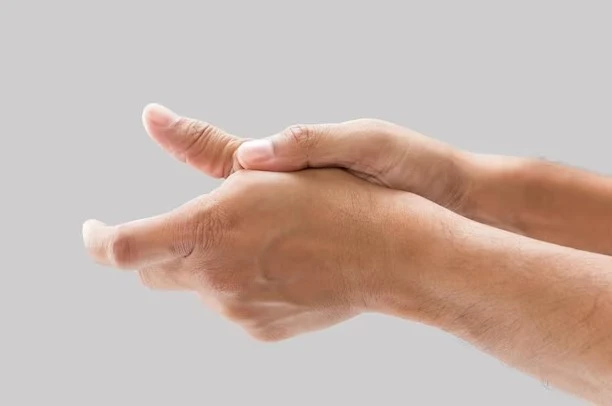
Dupuytren's Contracture is a condition that affects the connective tissues in the palm of the hand, causing fingers to bend inward and making everyday tasks challenging. Recognizing the early signs of Dupuytren's Contracture and understanding its impact on daily life is crucial for seeking timely treatment. In this article, we will explore the early indicators, delve into the life-altering effects, and discuss the best treatment for dupuytren's contracture.
Early Signs of Dupuytren's Contracture
Nodules and Thickened Tissues: One of the initial signs of Dupuytren's Contracture is the development of small, tender nodules in the palm. These nodules are a result of collagen buildup, causing thickened tissues beneath the skin.
Difficulty Straightening Fingers: As the condition progresses, affected individuals may find it increasingly difficult to fully straighten their fingers. This is due to the tightening of the connective tissues, making it challenging to extend the fingers fully.
Cords and Bands: Over time, the nodules may evolve into cords or bands of thickened tissue. These cords restrict the movement of the affected fingers, leading to a noticeable limitation in mobility.
Skin Puckering: In advanced stages, the skin over the palm may start to pucker, indicating the severe contraction of the connective tissues beneath.
Impact on Daily Life
Limitations in Activities: Dupuytren's Contracture can significantly impede routine activities. Simple tasks such as grasping objects, shaking hands, or even buttoning a shirt become arduous and sometimes impossible.
Diminished Quality of Life: Dupuytren’s Contracture Impacts Life of an individual. Basic self-care tasks, like washing, dressing, and eating, can become incredibly challenging.
Psychological Impact: Living with Dupuytren's Contracture can lead to emotional distress and reduced self-esteem. The visible deformities and functional limitations can affect one's self-image and confidence.
Social Isolation: Many individuals with Dupuytren's Contracture may withdraw from social activities due to embarrassment or frustration over their limited hand function.
Best Treatment Options
Non-Surgical Approaches:
Physical Therapy: Physical therapy techniques can help improve hand function and reduce pain associated with Dupuytren's Contracture.
Splinting: Custom splints can be used to stretch and straighten affected fingers, providing relief and maintaining mobility.
Enzyme Injections: Collagenase enzyme injections can be administered to break down the cords, allowing for improved finger extension.
Surgical Interventions:
Fasciectomy: This is a surgical procedure where the thickened connective tissue is removed, allowing for improved hand function.
Needle Aponeurotomy: Also known as percutaneous needle fasciotomy, this minimally invasive procedure involves using a needle to puncture and release the contracted cords.
Laser Therapy: Laser treatment can be effective in softening and breaking down the collagen buildup in the palm.
Radiation Therapy:
Low-dose radiation therapy has shown promise in preventing the progression of Dupuytren's Contracture.
Post-Treatment Rehabilitation:
After any form of treatment, rehabilitation exercises and therapies are crucial for regaining and maintaining hand function.
Conclusion
Dupuytren's Contracture, though a challenging condition, can be managed effectively with the right approach to treatment. Recognizing the early signs of dupuytrens contracture, understanding the impact on daily life, and exploring the available treatment options are key steps in this journey. Whether through non-surgical interventions, surgical procedures, or radiation therapy, there are options available to improve hand function and restore a higher quality of life for individuals living with Dupuytren's Contracture. If you or a loved one suspect Dupuytren's Contracture, seeking professional medical advice promptly can make a significant difference in the long-term outcome. Remember, early intervention is often the key to successful treatment.
Frequently Asked Questions (FAQs) about Dupuytren's Contracture:
What is Dupuytren's Contracture?Dupuytren's Contracture is a condition that affects the connective tissue in the palm of the hand. It leads to the formation of nodules and thickened cords that can cause the fingers to bend inward, making it difficult to fully extend them.
What are the early signs of Dupuytren's Contracture?Early signs include the development of small nodules in the palm, difficulty straightening the fingers, and the appearance of cords or bands of thickened tissue. As the condition progresses, skin puckering may also occur.
What causes Dupuytren's Contracture?The exact cause of Dupuytren's Contracture is unknown, but it is believed to have a genetic component. Other risk factors may include age, gender (men are more commonly affected), and certain health conditions like diabetes.
Is Dupuytren's Contracture painful?In its early stages, Dupuytren's Contracture is usually not painful. However, as the condition progresses and the fingers become more bent, some discomfort or pain may be experienced, especially when trying to use the hand for activities.
How is Dupuytren's Contracture diagnosed?A healthcare provider can usually diagnose Dupuytren's Contracture based on a physical examination of the hand. In some cases, additional tests like ultrasound or MRI may be used to assess the extent of the condition.
Can Dupuytren's Contracture be prevented?It is not always possible to prevent Dupuytren's Contracture, especially if there is a genetic predisposition. However, maintaining a healthy lifestyle, including regular exercise and avoiding smoking, may help reduce the risk.
What are the treatment options for Dupuytren's Contracture?Treatment options include non-surgical approaches like physical therapy, splinting, and enzyme injections. Surgical interventions such as fasciectomy or needle aponeurotomy may also be recommended in more advanced cases. Radiation therapy is another option.
What is the recovery time after Dupuytren's Contracture treatment?Recovery time depends on the type of treatment. Non-surgical approaches may have shorter recovery periods, while surgical interventions may require more time for full recovery. Rehabilitation exercises are often recommended post-treatment to regain hand function.
Can Dupuytren's Contracture recur after treatment?Yes, Dupuytren's Contracture can recur after treatment, especially in cases where the condition was severe or not all of the affected tissue could be removed. Regular follow-up appointments with a healthcare provider are important for monitoring and addressing any recurrence.
Is there ongoing research for Dupuytren's Contracture treatment?Yes, ongoing research is being conducted to explore new treatment options and improve existing ones for Dupuytren's Contracture. This includes studies on novel medications, minimally invasive procedures, and advanced surgical techniques.
Remember, if you suspect you have Dupuytren's Contracture or have any concerns about your hand function, it's important to consult a healthcare professional for proper diagnosis and personalized treatment recommendations.




























Sign in to leave a comment.