When it comes to borrowing money, choosing the right type of loan can make a big difference in your financial journey. If you’re exploring ways to fund your business, handle unexpected expenses, or simply manage personal finances, understanding unsecured loans and secured loans is essential. With options ranging from personal loan online applications to low interest rate loans for businesses, making an informed choice can save you both time and money.
At KredBharat, we make it easy to compare, understand, and Apply Now for loans that suit your needs.
What Are Secured and Unsecured Loans?
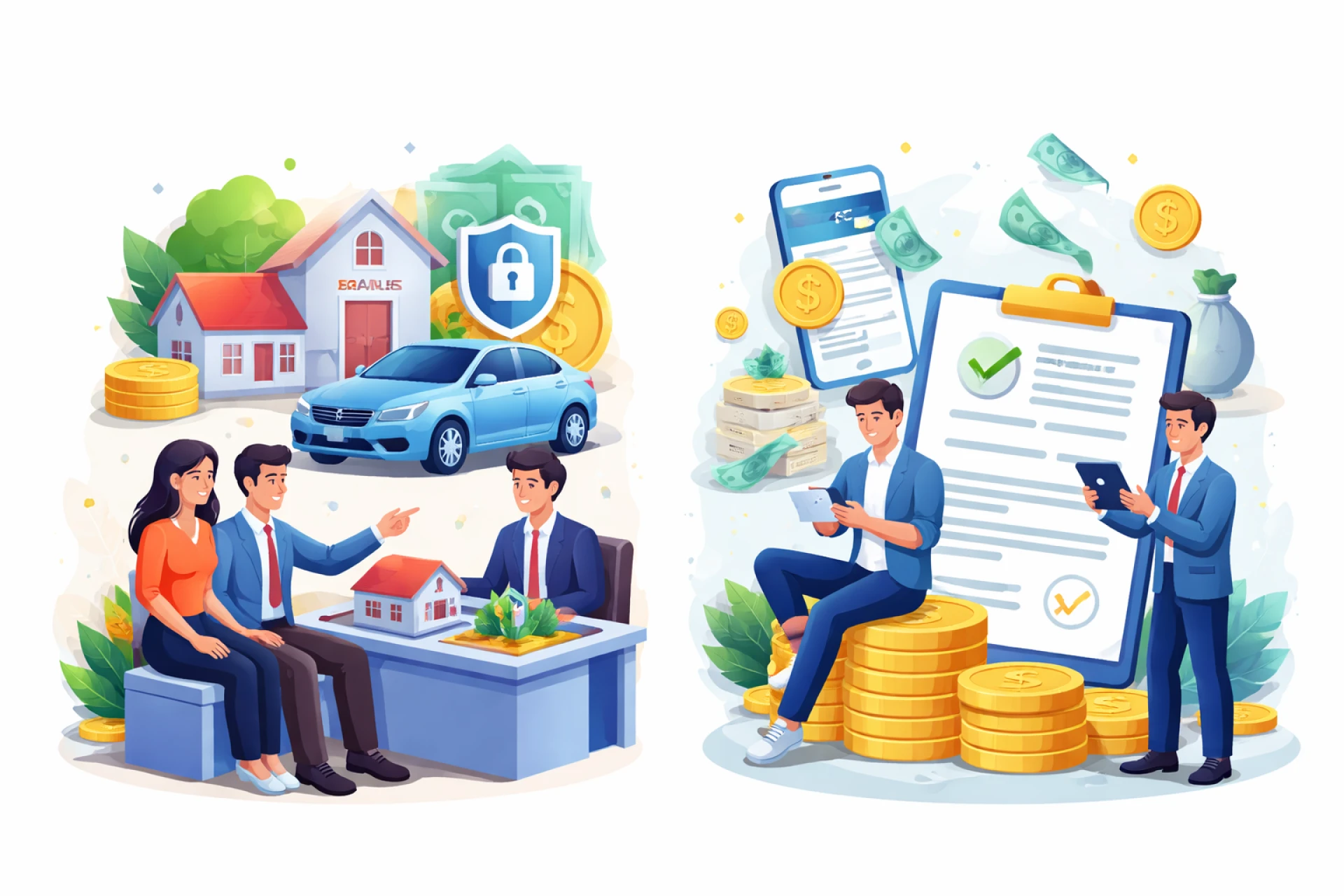
Secured Loans require collateral — an asset like your home, car, or savings account — to back the loan. Because the lender has a form of security, these loans typically come with lower interest rates and longer repayment periods. Examples include home loans, car loans, or loans against fixed deposits.
Unsecured Loans, on the other hand, do not require collateral. The lender approves the loan based on your creditworthiness, income, and repayment history. While interest rates are usually higher, unsecured loans, such as unsecured business loans or personal loans, are faster to process and often easier to access for urgent needs.
Pros and Cons of Secured Loans
Pros:
- Lower interest rates: Collateral reduces the lender’s risk, which often translates to better rates.
- Higher borrowing limits: Since the loan is backed by an asset, you can borrow larger sums.
- Flexible repayment options: Longer repayment tenure is often available.
Cons:
- Risk of losing collateral: Defaulting on payments could mean losing your asset.
- Lengthy approval process: Valuation of collateral and legal paperwork can delay approval.
- Complex eligibility: Lenders may impose stricter criteria for assets and documentation.
Pros and Cons of Unsecured Loans
Pros:
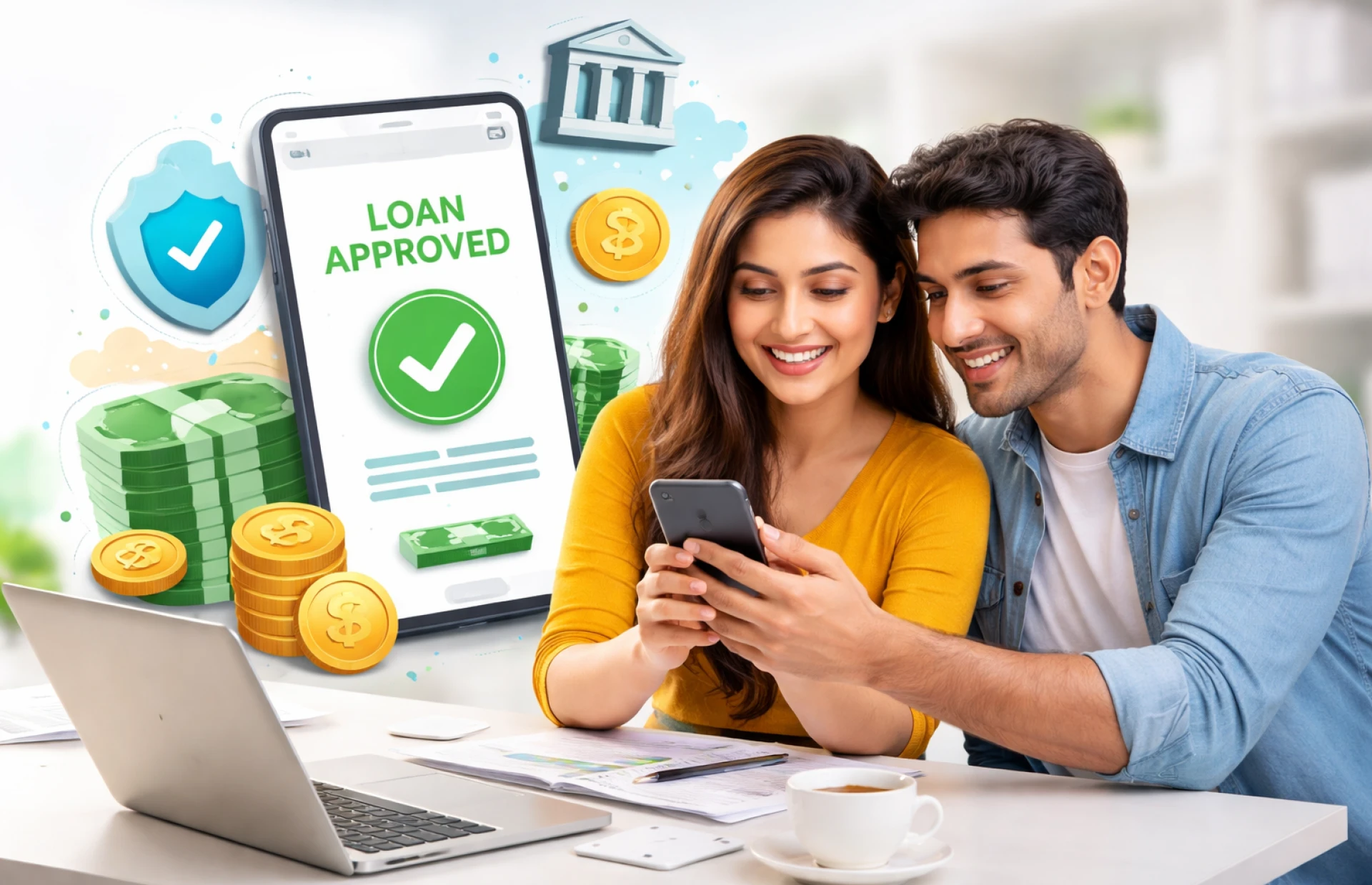
- Quick loan approval: Many lenders, including KredBharat, offer personal loan online applications with fast processing.
- No collateral required: You won’t risk your assets if you face repayment difficulties.
- Easy application process: Less documentation makes it convenient for emergencies or short-term needs.
Cons:
- Higher interest rates: Lenders take on more risk, which is reflected in the cost.
- Lower borrowing limits: Without collateral, you may be limited to smaller loan amounts.
- Stricter credit requirements: Your credit score plays a bigger role in approval.
When to Choose Which Loan
- Opt for a secured loan if you need a large amount of money, prefer lower interest rates, and can provide collateral without stress.
- Consider an unsecured loan if you need quick funds, want to avoid putting assets at risk, or are applying for a smaller loan, like a short-term unsecured business loan or emergency personal loan.
With KredBharat, you can explore both options, compare rates, and Apply Now to get funds quickly with minimal paperwork.
Final Thoughts
Choosing between secured and unsecured loans depends on your financial goals, urgency, and risk tolerance. Secured loans offer stability and lower rates, while unsecured loans provide speed and flexibility. With platforms like KredBharat, you can explore both options, compare rates, and Apply Now to access funds that fit your unique needs.
No matter what you choose, understanding the pros and cons ensures smarter borrowing decisions and smoother financial management.
FAQs About Secured and Unsecured Loans
1. Can I convert an unsecured loan into a secured one?
Most lenders don’t allow direct conversion, but you can refinance your unsecured loan with collateral to lower your interest rate.
2. Which loan type is better for small businesses?
It depends on your need. For large capital investments, a secured business loan may work better. For short-term funding or inventory purchases, an unsecured business loan is faster and easier.
3. How fast can I get approval for a personal loan online?
With KredBharat, online applications can be processed within 24–48 hours for eligible borrowers, making quick loan approval a reality.
4. Are unsecured loans riskier for borrowers?
While you won’t risk personal assets, higher interest rates and strict repayment schedules mean you need to budget carefully.
























Sign in to leave a comment.