
Introduction:
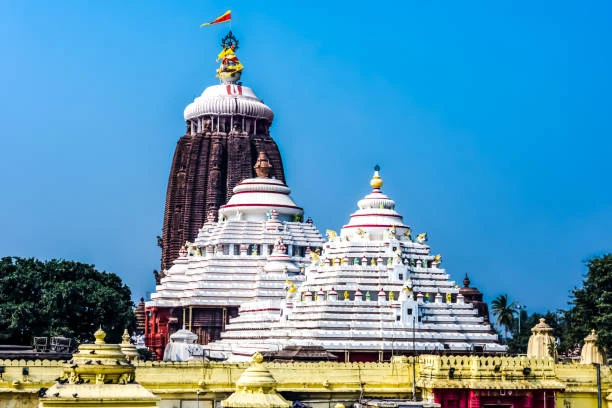
Nestled in the sacred city of Puri, Odisha, the Jagannath Temple stands as a beacon of spirituality and devotion, drawing millions of pilgrims and tourists from around the world. Beyond its architectural grandeur and religious significance, this ancient temple harbors numerous mysteries and fascinating facts that continue to intrigue and inspire. In this blog post, we embark on a journey to uncover 11 amazing facts about the Jagannath Temple, shedding light on its rich history, traditions, and cultural heritage.
1. Divine Cuisine:
One of the most unique aspects of the Jagannath Temple is its sacred kitchen, known as the Mahaprasad Ghar. Here, food is prepared on a colossal scale to feed thousands of devotees daily. The temple is renowned for its Mahaprasad, a divine offering consisting of 56 dishes, believed to be blessed by Lord Jagannath himself.
2. Naba Kalebara Ritual:
The Naba Kalebara ritual, a rare and sacred ceremony, involves the ritualistic renewal of the wooden forms of Lord Jagannath, Balabhadra, Subhadra, and Sudarshan. This event, which occurs once every 12 to 19 years, entails the replacement of the old idols with new ones carved from sacred neem trees, symbolizing regeneration and spiritual rejuvenation.
3. Mysterious Sudarshan Chakra:
Atop the main spire of the Jagannath Temple lies the Sudarshan Chakra, a discus-like weapon associated with Lord Vishnu. What makes this chakra unique is its mysterious property of never casting a shadow on the ground, mystifying devotees and visitors alike with its divine aura.
4. Temple Architecture:
The architectural style of the Jagannath Temple is a stunning example of Kalinga architecture, characterized by its towering spires, intricate carvings, and majestic gateways. The temple complex encompasses several shrines, courtyards, and halls, each adorned with ornate sculptures and motifs.
5. Annual Rath Yatra:
The Jagannath Temple is famous for its annual Rath Yatra, or Chariot Festival, a grand event that attracts millions of devotees from across the globe. During this festival, the deities of Jagannath, Balabhadra, and Subhadra are ceremoniously taken out of the temple in elaborately decorated chariots and paraded through the streets of Puri.
6. Maritime Traditions:
Due to its proximity to the Bay of Bengal, the Jagannath Temple has strong maritime connections, reflected in its rituals and festivals. The ceremonial bathing of the deities during the Chandan Yatra and the ritualistic boat ride during the Snana Yatra are examples of maritime traditions incorporated into temple rituals.
7. Mystical Nilachakra:
The Nilachakra, a massive wheel-shaped metal disc mounted atop the Jagannath Temple\'s main spire, is considered one of the largest temple bells in the world. It is believed to be highly auspicious, symbolizing protection and divine blessings for devotees.
8. Unique Entry Restrictions:
Unlike most Hindu temples, the Jagannath Temple has strict entry restrictions for non-Hindus. Only Hindus are allowed to enter the inner sanctum to offer prayers to the deities, reflecting the temple\'s deep-rooted traditions and religious beliefs.
9. Daily Rituals and Festivities:
The Jagannath Temple is a hub of religious activities and festivities throughout the year, from daily rituals and elaborate ceremonies to annual festivals and observances. The temple pulsates with spiritual energy and devotion, drawing pilgrims seeking blessings and divine grace.
10. Historical Significance:
The history of the Jagannath Temple dates back to ancient times, with references to its existence found in various historical texts and scriptures. Over the centuries, the temple has been patronized by kings, emperors, and devotees, making it a revered pilgrimage site and cultural landmark of India.
11. Global Devotee Base:
Despite its location in Puri, Odisha, the Jagannath Temple boasts a global devotee base, with followers from all corners of the world flocking to seek the blessings of Lord Jagannath. Its universal appeal and spiritual significance transcend geographical boundaries, uniting devotees in their reverence for the divine.
Conclusion:
The Jagannath Temple, with its rich history, sacred rituals, and divine aura, continues to inspire awe and reverence among devotees and visitors alike. From its architectural splendor to its mystical traditions, the temple holds a treasure trove of fascinating facts and mysteries waiting to be explored.
As we delve deeper into the mysteries of the Jagannath Temple, we come to realize that its significance goes beyond its physical presence; it is a testament to the enduring spirit of devotion and faith that binds humanity together in reverence for the divine.
Have you had the opportunity to visit the Jagannath Temple in Puri? Share your experiences and insights in the comments below. Let us continue to unravel the mysteries of this sacred pilgrimage site together.



















Sign in to leave a comment.