
We often take pills with a sense of trust, a silent belief that these drugs hold the power to heal and restore our health. But have you ever taken time to consider what these medications gone through before landing in your medicine cabinet?
In fact, the pharmaceutical supply chain, while vast and complex, can be riddled with vulnerabilities. Be it being vulnerable to subtle environmental changes, including temperature variations and improper handling, counterfeit pharmaceuticals, or disruptions from insider threats, such as theft of assets, from raw material sourcing and transit to when a medication finally gets administered to a patient, these vulnerabilities can introduce dangers – putting the lives of patients at risk.
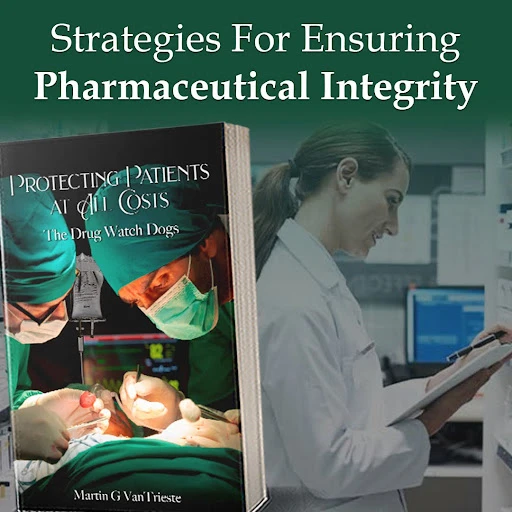
Admittedly, the system as a whole can appear confusing. Medications supply chain across continents, changing hands multiple times before reaching pharmacies is a long and costly process that often includes issues like shortage, and supply gaps. Similarly, a single, unnoticed glitch in machinery could alter the potency of a medication. Martin G. VanTrieste, a seasoned pharmacist and champion for patient safety, exposes these very real possibilities in his book "Protecting Patients at All Costs."
“Protecting Patients at All Costs: The Drug Watch Dogs” highlights the consistently hidden dangers associated with inferior medications. It explores the many hazards that could occur during the production and processing of pharmaceuticals, ranging from errors in production and past procedures to the introduction of fake medications. Leading authority on pharmaceuticals, VanTrieste, illuminates the committed people who take action as a result of the company’s “Drug Watch Dogs,” ceaselessly defending patients from such dangers. The book also provides insights for upcoming generations of pharmacists, emphasizing the need for strict quality control and steadfast patient safety.
That being said. The reality is that there is a hidden risk lurking in the pharmaceutical industry when it involves the supply chain for drugs. This blog delves into the prevalent weaknesses in the pharmaceutical supply chain and provides you with useful tactics to confidently manage your prescriptions.
One major vulnerability lies in outdated equipment and unreliable suppliers. Imagine a factory relying on aging machinery; a malfunction could go unnoticed, impacting the consistency or quality of a medication. Similarly, dependence on unreliable suppliers can create a ripple effect, jeopardizing the integrity of the entire supply chain.
The specter of counterfeit drugs is perhaps the most alarming threat. Criminal networks meticulously copy the appearance of genuine medications, flooding the market with pills that look authentic but harbor potentially life-threatening ingredients.
So, what can we do?
Firstly, let's become informed consumers. Scrutinize the packaging of your medications. Looking for inconsistencies in printing, unusual fonts, or typos, and anything unusual is crucial. Reputable manufacturers maintain strict quality control standards, and any deviations from a uniform appearance could be a red flag that can assist us in distinguishing between real and counterfeit products.
Embrace your inner detective and investigate the origins of your medications. Many pharmacies can provide information about the manufacturer and the country where the medication was produced. Knowing about the manufacturer and related information can empower us to make informed choices.
Seek medications from reputable sources. Stick to reputable pharmacies with a proven track record of legitimate medications and ethical business practices. Avoid purchasing medications online from unknown vendors, as the risk of counterfeits is significantly higher.
Communication is key! Don't be afraid to ask questions of your healthcare professional if you have any concerns regarding the efficacy and safety of the drugs.
Beyond individual action, a collective effort is crucial. Regulatory bodies and pharmaceutical industries worldwide need to implement stricter quality control measures and enhance collaboration to combat the threat of substandard drugs. Moreover, increased transparency within the pharmaceutical industry is essential to bolster patient trust.
By becoming informed consumers, advocating for stricter regulations, and working together with healthcare professionals while taking insight from "Protecting Patients at All Costs,"
we can create a safer future for medication use — to ensure they remain allies, not adversaries, in our journey towards optimal health.




















Sign in to leave a comment.