Power disruptions in 2025 continue to pose challenges to IT operations worldwide. Meanwhile, businesses increasingly rely on digital infrastructure that cannot tolerate downtime. A UPS for business has become more critical than ever, especially as remote work and cloud computing demand reliable power solutions. Furthermore, the evolution of technology necessitates modern uninterruptible power supply systems that surpass basic battery backup.
Advanced Battery Technology and Runtime Optimization
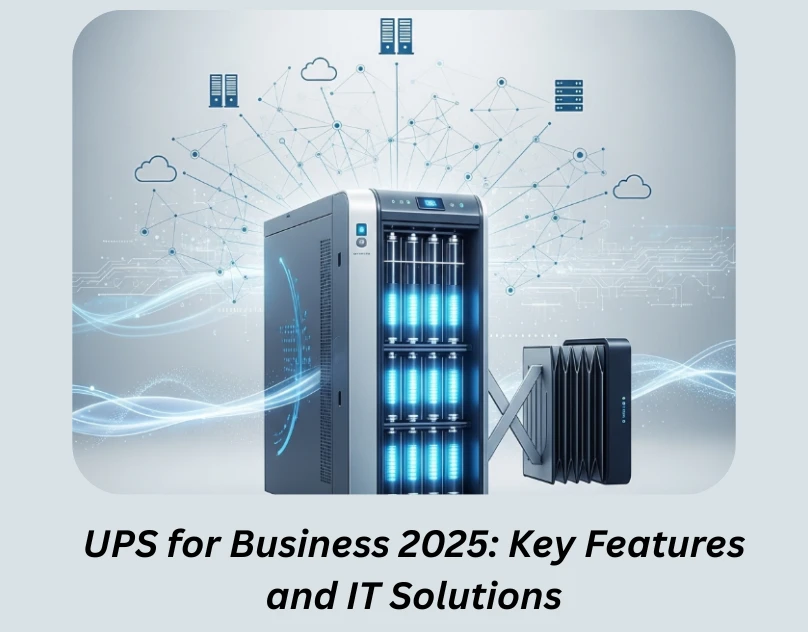
Today's UPS for business systems features lithium-ion batteries that offer significant advantages over traditional lead-acid alternatives. These newer batteries provide longer lifecycles, faster charging, and reduced maintenance requirements. Additionally, intelligent battery management systems monitor cell health and predict replacement needs before failures occur.
Runtime calculations have also become more sophisticated in 2025. Intelligent load management allows UPS for business units to prioritize critical systems during extended outages. This feature ensures that essential servers and network equipment remain operational while less critical devices are shut down gracefully.
Network Connectivity and Remote Management
Modern UPS solutions for business integrate seamlessly with IT infrastructures through advanced network interfaces. SNMP support enables real-time monitoring through existing network management systems. Moreover, cloud-based management platforms allow IT administrators to monitor multiple UPS units across different locations from a single dashboard.
Remote monitoring capabilities include:
- Real-time power consumption tracking
- Battery health diagnostics
- Environmental condition monitoring
- Automatic alert notifications via email or SMS
Scalability and Modular Design
Growing businesses benefit from modular UPS systems for business architectures that expand in tandem with organizational needs. These systems enable the addition of extra power modules without disrupting operations. Consequently, companies can start with basic capacity and scale up as their power requirements increase.
Hot-swappable components represent another crucial feature in 2025. This technology enables maintenance and upgrades without shutting down protected equipment, ensuring continuous uptime for mission-critical systems.
Energy Efficiency and Environmental Considerations
Energy efficiency ratings have become paramount for businesses selecting a UPS in 2025. High-efficiency models operate at 95% or higher efficiency levels, reducing operational costs and environmental impact. Furthermore, intelligent eco-mode operation automatically adjusts power consumption based on real-time load conditions.
Environmental monitoring capabilities now include sensors for temperature, humidity, and air quality. These features help maintain optimal conditions for sensitive IT equipment while providing early warnings about potential environmental threats.
Integration with Renewable Energy Sources
Forward-thinking businesses are integrating UPS for business systems with solar panels and other renewable energy sources. This combination provides sustainable backup power while reducing dependence on traditional grid electricity. Additionally, energy storage capabilities enable businesses to utilize stored renewable energy during periods of peak demand.


























Sign in to leave a comment.